Pakistan Implements Fuel Conservation Measures Amid Regional Escalation
Islamabad has mandated earlier closing hours for commercial establishments to curb energy consumption as global oil markets destabilize due to renewed hostilities in the Middle East.
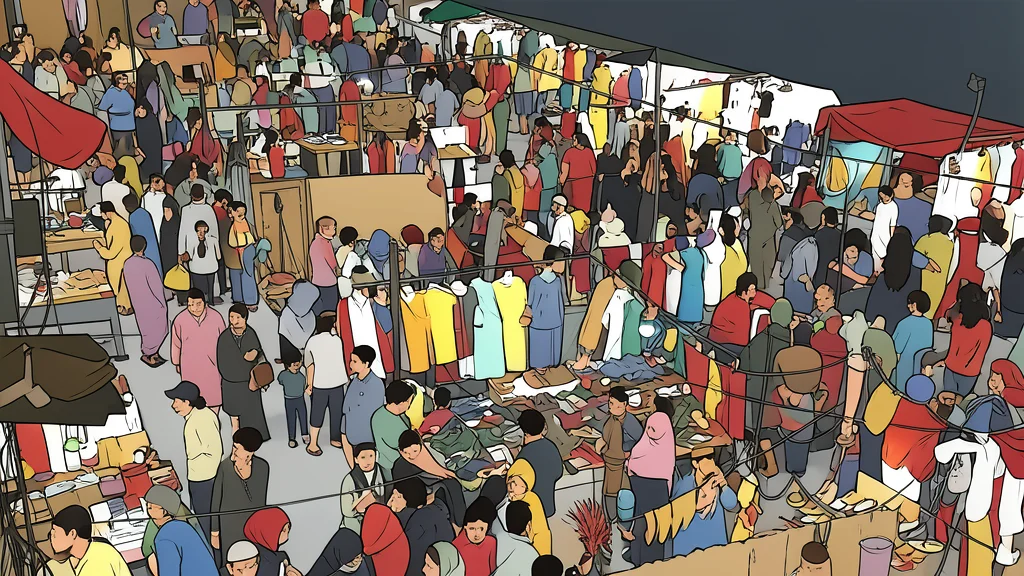
The federal government of Pakistan has introduced a comprehensive package of austerity measures to conserve energy in response to soaring fuel costs driven by geopolitical instability. According to the latest directives, shops, markets, and shopping malls in the capital, Islamabad, are required to close by 9:00 pm, a move intended to reduce electricity demand during peak hours. While these restrictions are initially confined to the federal capital, authorities are encouraging provincial and regional governments to adopt similar protocols to manage the strain on national energy resources.
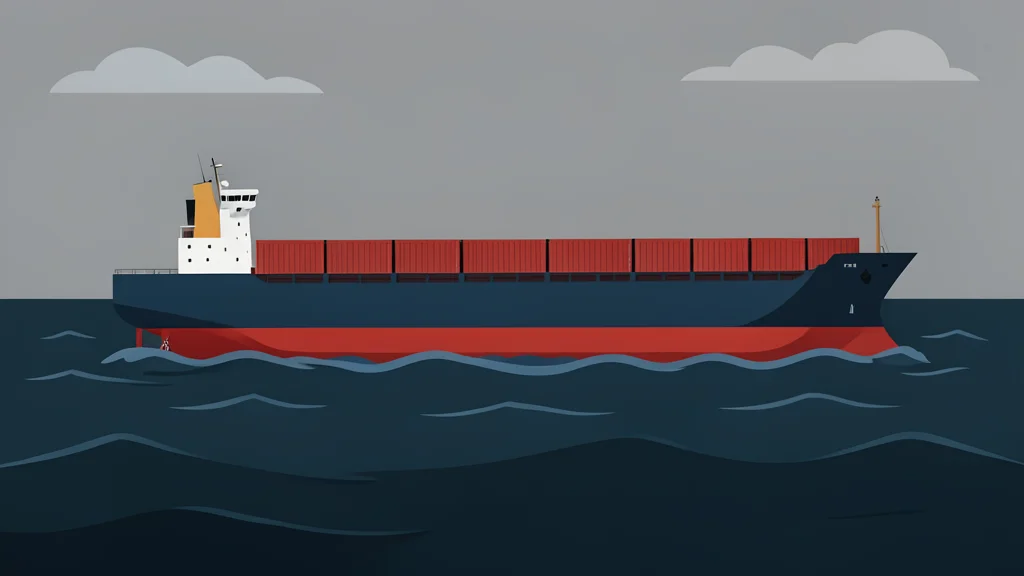
These measures come as fuel prices have recorded a sharp increase amid heightened volatility in global oil markets. The recent spike follows the collapse of a fragile ceasefire between Iran and the United States, as well as attacks on infrastructure in Saudi Arabia, which have renewed fears of a wider regional conflict. With the Strait of Hormuz, a critical route for oil and gas shipments, under threat, Pakistan faces significant pressure to mitigate its energy consumption while navigating these external shocks.
Strict limits on commercial operating hours
The new regulations differentiate between types of businesses to balance economic activity with energy conservation. Commercial venues hosting festive events, such as marriage halls and marquees, must close by 10:00 pm, while restaurants and cafés are required to shut down by 11:00 pm. To further limit energy use, the government has restricted wedding functions to a single dish. However, essential services including pharmacies, hospitals, fuel pumps, and electric vehicle charging stations are fully exempt from these closing time restrictions, ensuring that critical infrastructure remains accessible.
Government spending and travel restrictions
Beyond the private sector, the state has imposed severe constraints on its own operations to lead by example. The government has slashed official vehicle fuel allocations by 50% for a period of three months, a measure that applies to most administrative bodies while exempting operational military and law enforcement units. Additionally, all foreign travel for government officials has been banned for the same duration, with exceptions only for international scholarships or specific training programs arranged through the Economic Affairs Division.
A complete ban on the purchase of vehicles and durable goods by government departments has also been enforced, with the sole exception of information technology procurements. To further reduce expenditures, the government has cut non-essential recurring spending by 5% for the fiscal year 2026-27. These decisions reflect a broader strategy to tighten public finances and prioritize essential services during a period of economic uncertainty.
Regional instability drives domestic policy
The decision to implement these measures is closely tied to the deteriorating security situation in the Middle East. According to the GN auto geopolitics/global: regional conflict report, the collapse of the June ceasefire and subsequent attacks on Saudi infrastructure have significantly disrupted energy shipments. As petrol prices in Pakistan have risen to Rs391.22 per litre and diesel to Rs421.45 per litre, the government is attempting to insulate the domestic economy from the full impact of these global supply chain disruptions.
The forward question remains how long these restrictive measures will remain in place and whether they will be sufficient to stabilize energy consumption. As global oil markets continue to fluctuate due to regional hostilities, Pakistan’s ability to maintain economic stability while managing its energy dependencies will be closely watched. The success of these austerity measures will likely depend on both public compliance and the trajectory of diplomatic efforts in the Middle East.