Iranian Activists Report Persistent Seizure of Personal Devices
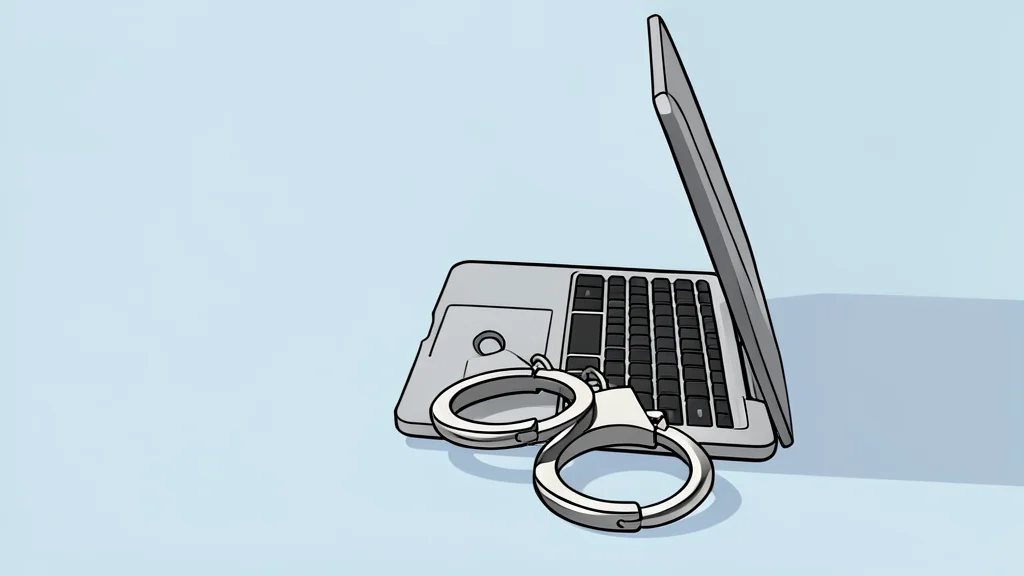
Recent disclosures highlight a pattern of prolonged retention of personal electronics by security forces, raising questions about judicial oversight and property rights in Iran.
Mehdi Mahmoudian, a prominent human rights activist and former political prisoner, has disclosed that security officials have retained his mobile phones and personal belongings for more than eight months. Despite repeated written and verbal orders from the presiding magistrate demanding the return of these items, security organs have refused to comply. This situation has drawn attention to a broader issue where judicial directives appear to be ignored by autonomous security entities.
Mahmoudian described a nighttime raid in which over twenty armed operatives entered his residence, confiscating six mobile phones and other possessions. He noted that one of his unencrypted devices is currently being used by an unauthorized individual for personal purposes. Using device-tracking software, Mahmoudian reported monitoring the real-time location of his confiscated phone as it moved across various locations, highlighting a lack of control over his own property.
Judicial Orders Defied by Security Organs
The investigating magistrate in Mahmoudian’s case has stated that their authority is limited to issuing official letters, asserting that security entities operate with significant autonomy. According to the activist, this disregard for judicial rulings effectively renders the term 'confiscation' a euphemism for the unlawful taking of private property. The inability of the judicial branch to enforce the return of seized goods underscores a structural tension between legal mandates and the actions of security agencies.
This incident is not isolated; several other civil rights activists have shared similar experiences of unreturned property. These accounts suggest a systemic pattern where personal electronics are seized during arrests and held indefinitely, often without clear judicial oversight or timely restitution, leaving individuals without essential tools for professional and personal life.
Widespread Reports from Civil Society
Mohammad Habibi, a teachers’ union activist and former political prisoner, reported that security forces seized two mobile phones, a laptop, notebooks, and books during his arrest in May 2022. He added that in a separate raid in September 2025, two more phones were confiscated without an official judicial case being opened. Habibi described the practice as looting rather than legal confiscation, emphasizing the absence of due process in these interactions.
Digital rights activist Saeed Soozangar also reported that his technical equipment remains unreturned despite the conclusion of his court proceedings and the execution of his sentence. Similarly, former political prisoner Sepideh Qolian recounted multiple raids on her family home under the pretext of searching for satellite equipment. In these instances, agents confiscated mobile phones belonging to her and her acquaintances, none of which have been returned over a six-month period.
Implications for Digital Rights and Privacy
According to GN geopolitics/rights (en-US), the retention of personal devices by state actors raises significant concerns regarding privacy and digital rights. When phones are seized and subsequently used by unauthorized individuals, the potential for surveillance and data misuse becomes a critical issue. The inability of individuals to retrieve their devices disrupts professional obligations and personal connectivity, creating a lasting impact on their daily lives.
The ongoing dispute over these seized properties highlights a broader challenge in holding security agencies accountable for their actions. As activists continue to document these incidents, the question remains how judicial systems can effectively enforce property rights against autonomous security bodies. Observers will watch for any legal developments or policy changes that might address the systematic retention of personal electronics in the coming months.