Philippines Links one-China Policy to Taiwan Economic Ties
Manila claims its one-China stance allows cooperation with Taiwan, prompting Chinese warnings of friction.
Key points
- The Philippines claims its one-China policy allows economic cooperation with the Taiwan region.
- Chinese officials warn that such moves violate the one-China principle and risk friction.
- Recent joint drills in the Bashi Channel highlight rising security tensions in the area.
The Philippine Department of Foreign Affairs stated on Sunday that Manila maintains its one-China policy while simultaneously pursuing economic and cultural cooperation with the Taiwan region. This dual approach has drawn sharp criticism from Chinese experts, who argue that such moves risk creating new points of friction beyond existing South China Sea disputes.
According to the Global Times, Chinese analysts warn that actions involving core interests could trigger firm countermeasures from Beijing. The statement follows recent announcements by Taiwan regional authorities regarding plans to establish a representative office in Cebu, which Manila claims does not violate its diplomatic commitments.
Diplomatic tension over economic corridors
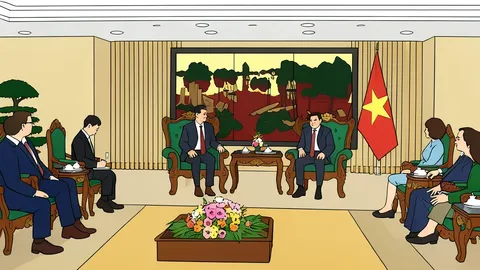
Lin Chia-lung, head of the Taiwan regional authorities' foreign affairs department, confirmed plans for a Cebu-based office to deepen ties through a proposed economic corridor. In response, Chinese Foreign Ministry spokesperson Guo Jiakun urged the Philippine side to adhere to the one-China principle with concrete actions and refrain from steps that could harm bilateral relations.
Philippine Defense Secretary Gilbert Teodoro Jr. countered that while Manila recognizes the one-China policy, the method of implementation is a matter for the Philippines alone. He suggested that Beijing should not interfere in how Manila executes its own diplomatic and economic strategies.
Strategic calculations behind the rhetoric
Ding Duo, a researcher at the National Institute for South China Sea Studies, told the Global Times that some figures in Manila may be seeking new friction points because South China Sea issues have yielded diminishing political returns. He noted that these interactions are often facilitated by US support, allowing Washington to pressure China through allies while limiting its own direct involvement.
Dai Fan of Jinan University observed that prominent officials are leveraging tensions to posture tough stances toward Beijing while signaling alignment with US strategic interests. This dynamic suggests a deliberate effort to broaden the scope of confrontation beyond maritime disputes to include cross-strait matters.
Military presence in the Bashi Channel
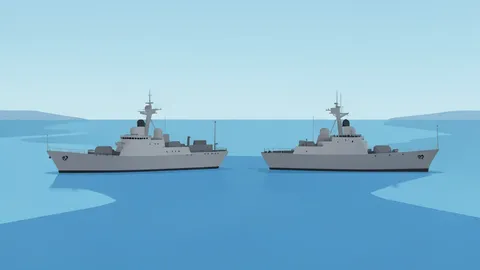
In February, Japan, the Philippines, and the US conducted joint military drills near the Bashi Channel, the waterway separating the Philippines and Taiwan. The People's Liberation Army Southern Theater Command criticized these exercises, stating that its forces would resolutely safeguard territorial sovereignty and stability in the region.