Seoul Dialogue on Abolishing Capital Punishment
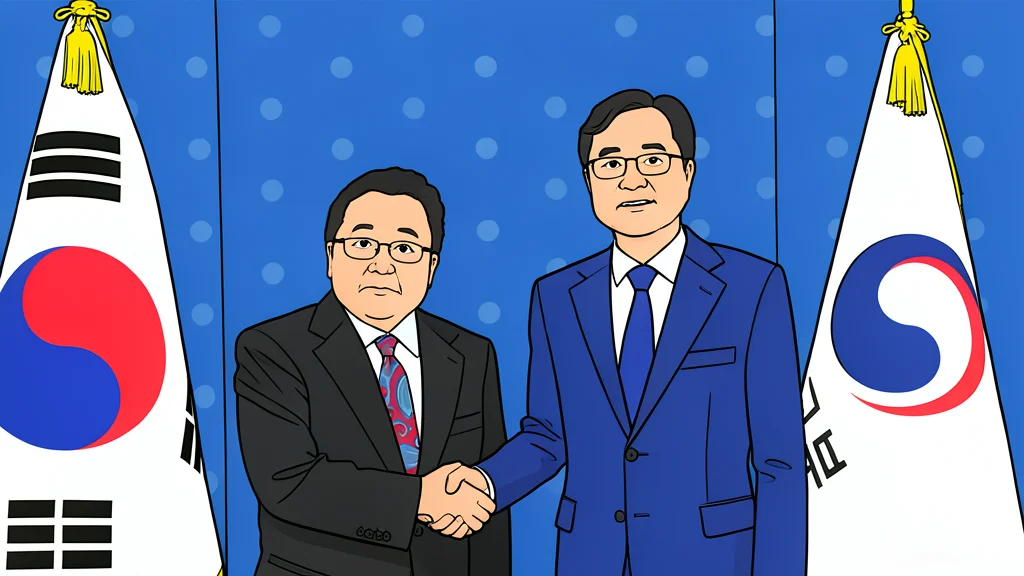
South Korea engages former Mongolian leader in high-level talks on global human rights standards and the phased elimination of the death penalty.
South Korean Foreign Minister Cho Hyun held a formal meeting in Seoul with former Mongolian President Tsakhia Elbegdorj to address critical human rights issues, with a specific focus on the abolition of the death penalty. According to the Ministry of Foreign Affairs, the discussion took place on the 15th and marked a significant diplomatic engagement aimed at reinforcing international commitments to human rights norms.
Elbegdorj attended the session in his capacity as a commissioner of the International Commission against the Death Penalty. The meeting provided a platform for Seoul to outline its current stance on capital punishment and to reaffirm its ongoing participation in global efforts to end state-sanctioned executions, signaling a continued alignment with progressive human rights frameworks.
South Korea's Execution Moratorium Status
During the conversation, Minister Cho detailed South Korea’s policy landscape regarding capital punishment. He noted that the country has not carried out any executions since 1997, a fact that underscores a long-standing de facto moratorium. The minister also highlighted South Korea’s consistent voting record in favor of resolutions calling for the abolition of the death penalty at the United Nations General Assembly and the Human Rights Council, positioning the nation as an active contributor to these international debates.
Recognition of Regional Human Rights Efforts
Former President Elbegdorj responded by commending South Korea’s sustained efforts in the field of human rights. According to reports from the GN geopolitics desk, he expressed hope that the country will continue to play a constructive role in promoting human rights globally. This exchange reflects a broader trend of diplomatic cooperation where former heads of state leverage their international networks to advocate for legal reforms and ethical standards in justice systems.
Future Implications for Diplomatic Engagement
The dialogue serves as a reminder of the complex interplay between domestic legal traditions and international human rights obligations. As South Korea maintains its execution-free status while navigating political realities, such meetings with international figures may help sustain momentum for legislative changes. Observers will now watch for further statements from Seoul regarding potential legislative initiatives or increased participation in international campaigns to abolish capital punishment across Asia.