ASEAN Faces Call for Tighter Digital Counter-Terrorism Cooperation
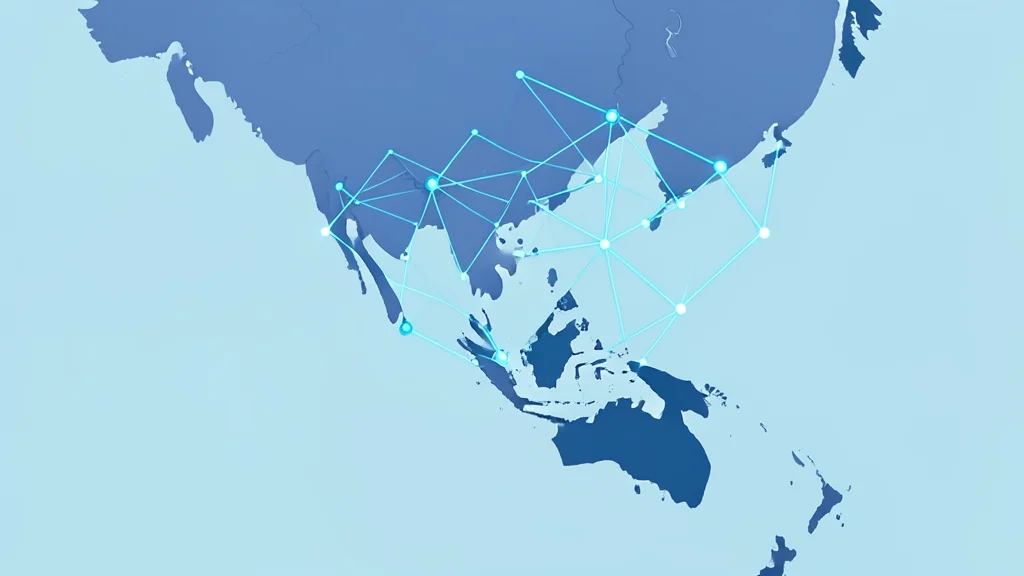
Experts urge Southeast Asian nations to adopt automated intelligence networks to track cross-border digital extremism and counter AI-driven radicalization.
Security analysts are calling for Southeast Asian nations to move beyond traditional diplomatic forums and establish robust real-time intelligence sharing mechanisms. The primary concern is the rapid evolution of terrorist recruitment strategies, which now leverage advanced digital tools to bypass conventional surveillance methods. According to reports from the GN geopolitics/terror desk, these urgent recommendations come as regional threat assessments indicate that online platforms are becoming the primary vector for radicalization.
The urgency of this shift is underscored by recent assessments from Singapore’s Internal Security Department, which categorize the city-state as a high-risk target. The department’s latest report highlights that ongoing conflicts in West Asia are exacerbating security concerns in the region. Furthermore, the report notes that digital ecosystems are fueling radicalization among younger demographics, necessitating a modernized approach to counter-terrorism that prioritizes technological interoperability over static policy measures.
Digital Vectors And AI Risks
Crisis analyst Peter Nicoll argues that current counter-terrorism frameworks are ill-equipped to handle the sophistication of modern threats. Extremist groups are increasingly utilizing artificial intelligence to automate the translation of propaganda and generate deepfake content at scale. This technological leap requires security agencies to adapt their screening methods, moving beyond simple keyword detection to identify complex coded symbols and algorithmic patterns that facilitate the spread of extremist ideologies across borders.
Nicoll emphasizes that the nature of recruitment is changing significantly, with a notable migration from traditional chat groups to immersive gaming platforms. Decentralized servers and online video game communities are becoming fertile grounds for radicalization, areas where technology companies have limited moderation capabilities. He suggests that ASEAN member states must prioritize the regulation of these digital spaces to effectively monitor and disrupt the cross-border flow of extremist content.
Regional Cooperation Beyond Formalities
The call for enhanced cooperation suggests a structural change in how ASEAN handles security intelligence. Rather than relying solely on periodic meetings and formal declarations, experts propose the development of automated technology networks. These systems would allow for the continuous tracking of digital extremist footprints, enabling a faster and more coordinated response to emerging threats. This approach aims to create a seamless information architecture that supports real-time decision-making among member states.
Strengthening this cooperative framework is seen as a critical step in countering the sophisticated radicalization trends that AI is enabling. By sharing intelligence in real-time, nations can better identify and dismantle the networks that exploit digital vulnerabilities. This shift represents a significant departure from traditional counter-terrorism models, placing greater emphasis on technological integration and proactive digital defense strategies across the Southeast Asian bloc.
Monitoring Behavioral Indicators
While institutional reforms are underway, individual vigilance remains a crucial component of the broader security strategy. Analysts urge families to remain alert to specific behavioral changes that may indicate self-radicalization. These signs include sudden social isolation from family and friends, as well as the consumption or sharing of extremist content online. Recognizing these early indicators can help prevent the transition from online ideation to real-world violent intentions.
The forward-looking challenge lies in balancing digital monitoring with civil liberties while effectively countering AI-driven threats. As extremist groups continue to refine their digital tactics, the region must remain adaptable. The next phase will likely involve closer scrutiny of decentralized platforms and a deeper integration of AI tools in counter-narrative campaigns to debunk propaganda before it takes root in vulnerable minds.