Middle East Tensions Persist Without Clear Path to De-Escalation

Recent attacks on commercial shipping and strikes on Saudi infrastructure have intensified regional instability. Analysts observe a lack of diplomatic progress, with energy markets remaining volatile and transit volumes through key waterways significantly reduced.
The geopolitical landscape in the Middle East continues to deteriorate, with no immediate signs of de-escalation in sight. According to reporting from GN auto geopolitics/global: regional conflict, the persistent lack of resolution has kept Brent crude prices well above the $105 per barrel mark. This sustained pressure on energy markets reflects broader anxieties regarding supply chain stability and the potential for further military involvement in the region.
Tensions came to a head following an attack on the Panama-flagged MT El Gaia off the coast of Oman. India’s Ministry of External Affairs condemned the incident, which left one seafarer missing. While no party has formally claimed responsibility, Washington and Tehran have exchanged conflicting narratives about the cause, complicating diplomatic efforts to establish a shared understanding of the events.
Conflicting Narratives Over Maritime Incident
Iran's Islamic Revolutionary Guard Corps stated that the tanker had struck a naval mine in the strait. In direct contradiction, US Central Command rejected this account, asserting that the vessel was previously rendered inoperable by an Iranian missile and subsequently hit by a drone while sitting near the Omani coast. US President Donald Trump further escalated the rhetoric by suggesting that Washington could remain in Iran to secure oil resources, comparing the situation to Venezuela according to Reuters.
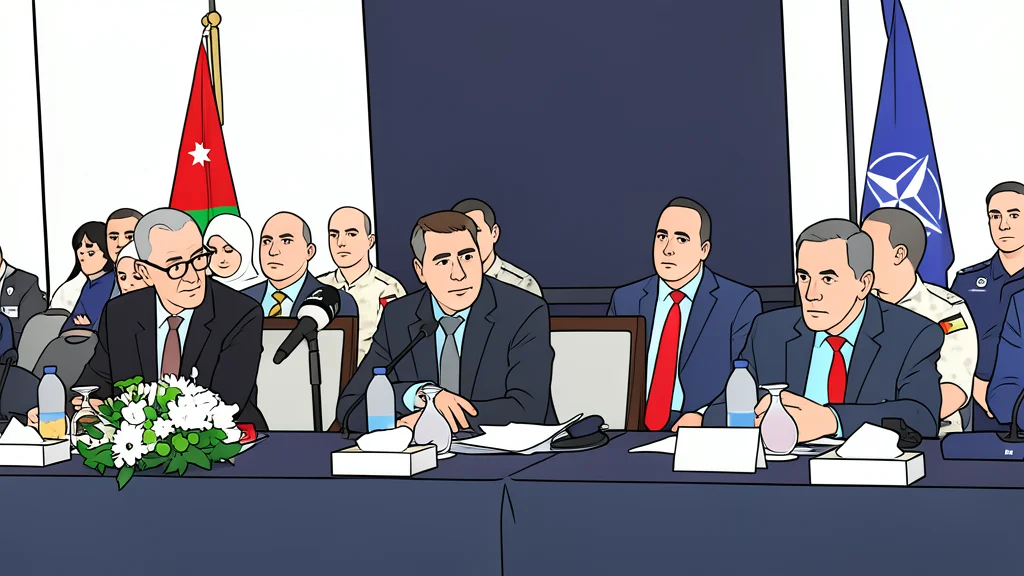
Diplomatic channels appear strained as well. Iran and Oman canceled a planned meeting intended to discuss methods for reopening the Strait of Hormuz. Market intelligence from Windward indicates that only 13 vessels attempted to transit the strait on Sunday, a sharp decline from the pre-war average of 140 daily transits. This reduction in traffic highlights the growing risk premium associated with commercial shipping in the region.
Houthi Escalation Affects Saudi Infrastructure
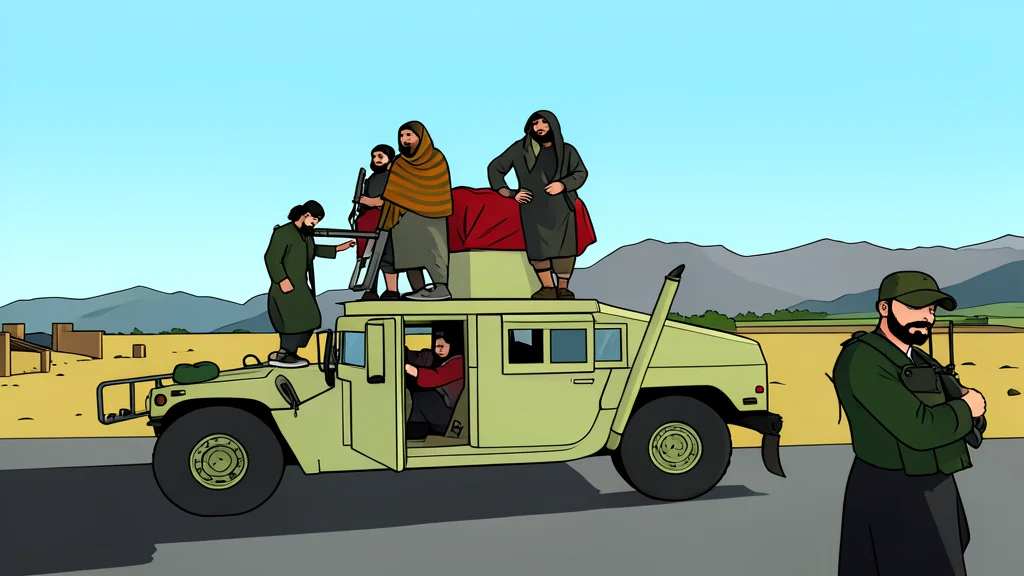
Simultaneously, Yemen's Iran-aligned Houthi militants have expanded their operations by targeting military facilities in Saudi Arabia. The group’s spokesperson announced the use of dozens of ballistic missiles and drones against King Khalid Air Base in Khamis Mushait. This escalation follows the shutdown of the East-West Pipeline, a critical asset through which Saudi Arabia funnels approximately 70% of its crude exports to circumvent the Strait of Hormuz.
The Houthis have also announced a naval blockade, dragging the conflict into the Red Sea gateway. Recent reports indicate that the group gained control of the Yemeni port city of Mocha, advancing along the coast. In response, Saudi-flagged shipping has shifted operations exclusively within national waters to seek safety, according to Windward data. This defensive posture underscores the severity of the threat perceived by regional stakeholders.
Watch for Diplomatic Breakthroughs
As the situation evolves, attention turns to whether any party will make a unilateral move to lower tensions. The cancellation of the Iran-Oman meeting suggests a current impasse, but the economic stakes for global energy security remain high. Analysts will be watching for any shifts in shipping insurance premiums or further statements from regional powers that might signal a willingness to engage in dialogue rather than continued escalation.