South Korea Enters the Arctic Shipping Arena
Seoul’s new maritime strategy positions it as a key player in the Northern Sea Route, navigating complex geopolitical currents between Moscow and Washington.
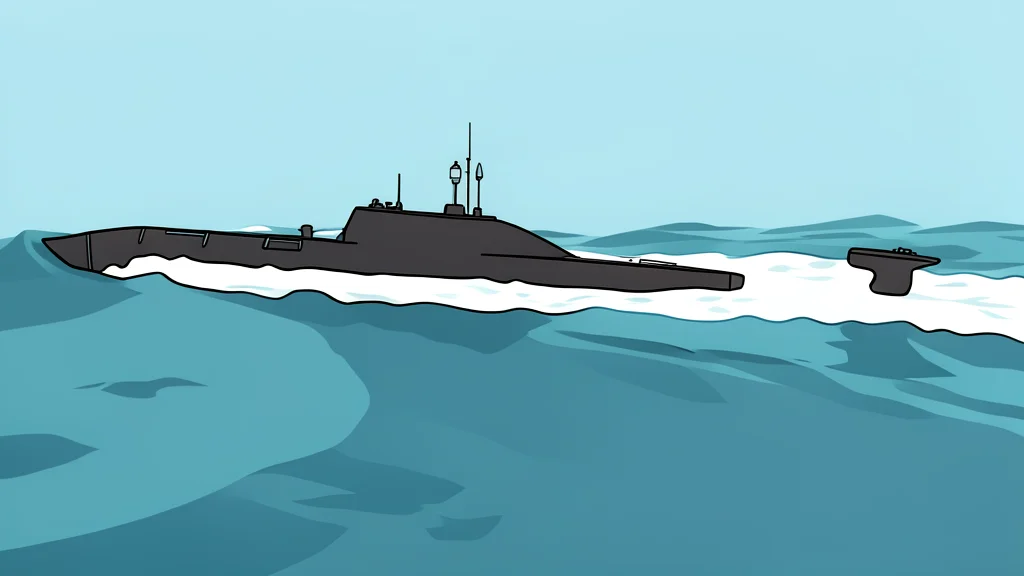
South Korea has formally adopted Arctic shipping development as a national priority, signaling a significant shift in its maritime strategy. The move, announced by the Lee Jae-myung administration, aims to leverage the Northern Sea Route (NSR) to reduce transit times between East Asia and Europe. This initiative positions Seoul not just as a participant, but as a strategic actor in a region increasingly viewed as vital for global trade and energy security.
The decision comes as the Arctic ice cap continues to shrink, opening longer navigation seasons and new commercial possibilities. According to The Diplomat, this expansion of activity reflects a broader trend among Asian economies seeking alternatives to traditional chokepoints like the Strait of Hormuz. For South Korea, the NSR offers a potential 10 to 20-day reduction in shipping duration, a competitive advantage that is difficult to ignore in a globalized supply chain.
Rapid Expansion of Arctic Activity
The physical conditions of the Arctic are changing rapidly due to climate change, making the region more accessible than ever before. NASA data indicates that sea ice extent is shrinking at an alarming rate, with projections suggesting the Arctic Ocean could experience an ice-free day as early as 2027. This environmental shift has led to a record increase in vessel traffic, with the Arctic Council reporting nearly 1,800 unique ships entering the polar code area in 2025.
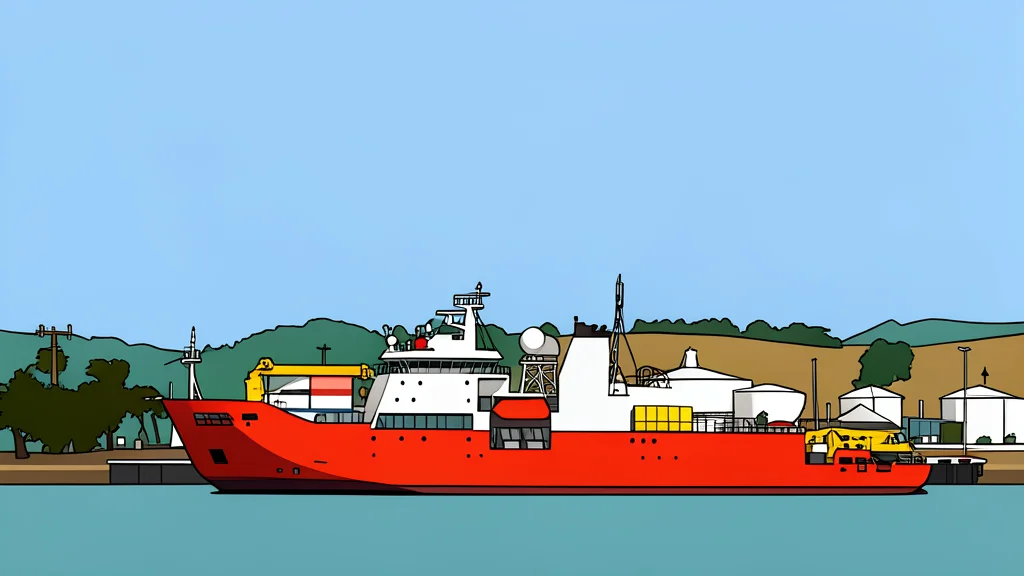
South Korea’s entry into this arena is marked by concrete infrastructure investments. The Ministry of Ocean and Fisheries has relocated its headquarters to Busan, aiming to establish the port as a hub for Arctic commerce. Additionally, Hanwha Ocean has begun construction on a second icebreaker, designed to be significantly larger and more capable than its predecessor. These steps demonstrate a long-term commitment beyond simple trial voyages, such as the recent container shipments that preceded this policy shift.
Legal Disputes Over Route Status
However, the strategic appeal of the NSR is complicated by a fundamental legal disagreement between the United States and Russia. Russia asserts jurisdiction over the route, treating it as domestic waters that require permits for transit. In contrast, Washington views the NSR as international straits, arguing for the right of free passage without external authorization. This divergence creates a legal minefield for any state relying on the route for critical trade.
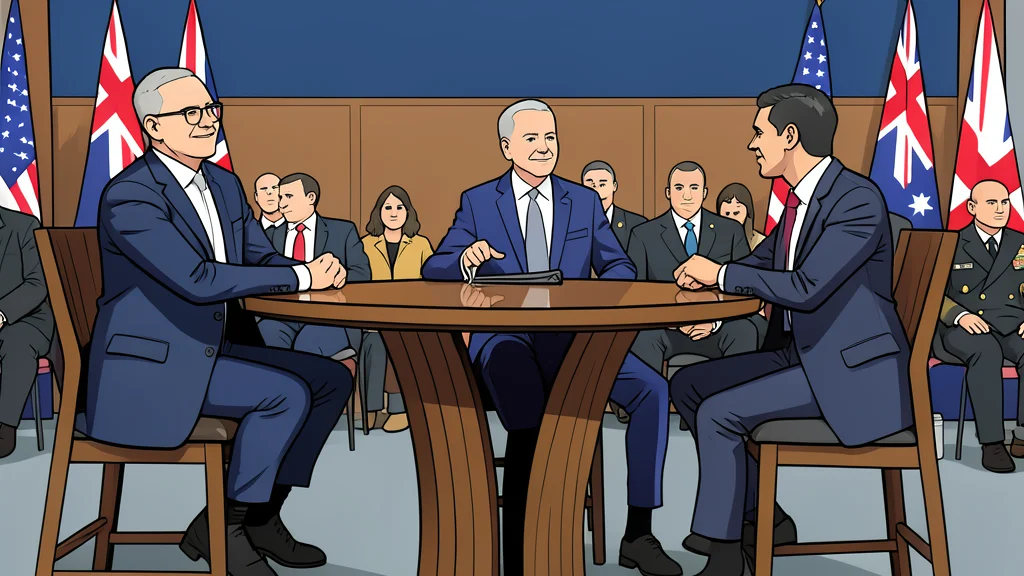
For South Korea, navigating this legal ambiguity requires careful diplomatic calibration. While the route offers economic benefits, reliance on Russian-controlled waters introduces dependency risks. The Korean government must balance its commercial interests with its security alliances, particularly given the strained relations between Moscow and Washington. This dynamic forces Seoul to tread carefully, ensuring that its maritime ambitions do not inadvertently align it with one side of a broader geopolitical conflict.
Geopolitical Risks for Asian Powers
The situation is further complicated by China’s role as the most active user of the NSR. While China and Russia are strategic partners, their visions for Arctic governance differ. Beijing seeks equal standing in decision-making processes, whereas Moscow prefers to maintain firm control over the route. South Korea, entering the scene as a new actor, finds itself in a complex triangle where its actions could influence the balance of power among these major players.
As the window for ice-free navigation widens, the stakes for regional stability rise. The competition for Arctic resources and routes is no longer a distant theoretical debate but an immediate operational reality. For South Korea and other Asian middle powers, the challenge is to secure economic gains while managing the potential for diplomatic friction. The coming years will likely see increased scrutiny on how these nations navigate the legal and political complexities of the North, with the outcome shaping the future of global maritime trade.