UN Report Details Rising Insurgency and Border Tensions in Afghanistan

A new United Nations assessment highlights a significant increase in security incidents and cross-border clashes, revealing the complex dynamics of instability in the region.
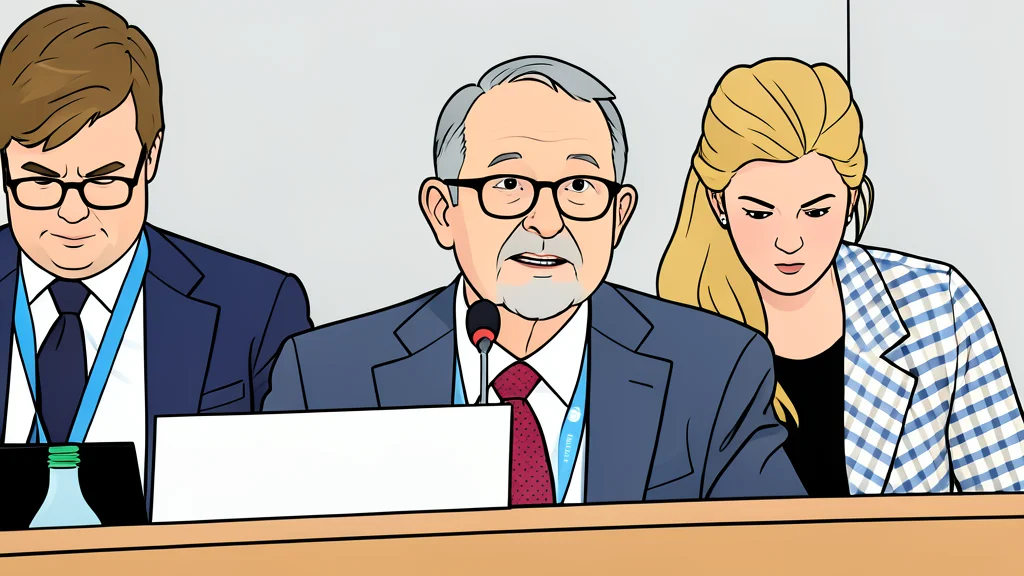
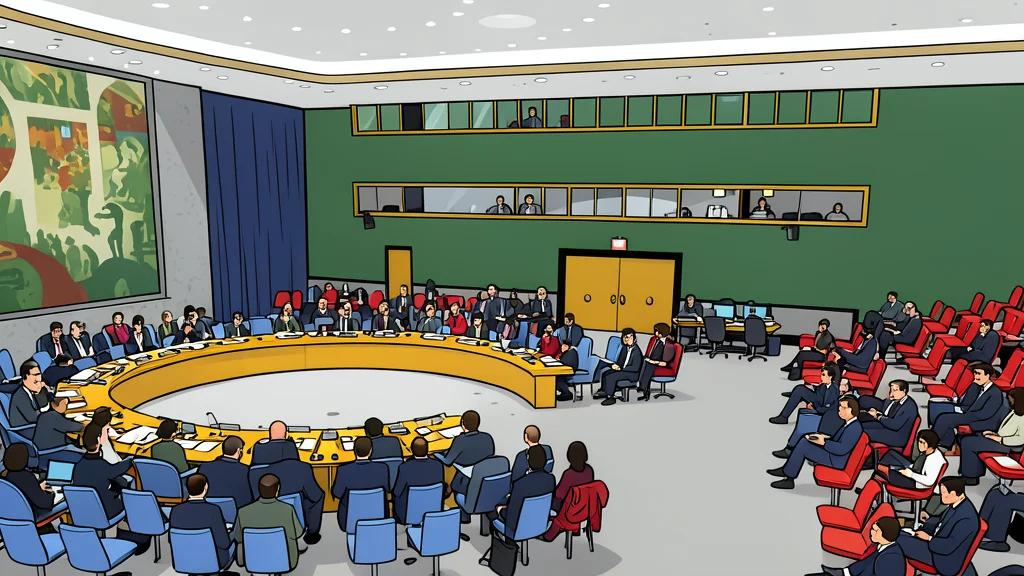
According to a latest report by UN Secretary-General Antonio Guterres, security conditions in Afghanistan have deteriorated further over the past three months. The document, submitted to the Security Council, records 2,947 security incidents between May and July, marking an 11 percent increase compared to the same period last year. This surge in instability coincides with a notable rise in attacks by armed groups opposing the current administration.
The report details that anti-Taliban factions have become more decentralized and locally focused, claiming responsibility for 88 attacks across 21 provinces. While the United Nations verified 55 of these incidents, the data suggests a shift in the nature of the conflict, with frequent ambushes on checkpoints and military facilities. These developments underscore the growing fragmentation of opposition forces and their ability to sustain pressure on government-held areas.
Escalating Violence Along Borders
Tensions between Afghanistan and Pakistan have intensified significantly, with the border region remaining a focal point of military activity. The UN report cites Pakistani airstrikes in May and June targeting areas in Ghazni, Kunar, Khost, and Paktika, which resulted in damage to civilian infrastructure. In response, the Taliban defense ministry stated it conducted drone strikes against alleged militant positions in Pakistan’s Khyber Pakhtunkhwa and Balochistan provinces.
The human cost of these cross-border clashes is substantial. From April to June, the conflict between Afghan and Pakistani forces resulted in the deaths of 57 civilians and injuries to 342 others. A particularly devastating incident on June 28 in Paktia province saw two airstrikes kill 22 people, many of whom were attempting to rescue victims of the initial attack. This pattern of retaliatory strikes highlights the persistent volatility in the border regions.
Fragmentation of Opposition Groups
The United Nations identified over a dozen distinct armed groups involved in recent attacks, including the Afghanistan Freedom Front and the National Resistance Front. According to the report, these organizations have adopted a more dispersed operational structure, focusing on localized resistance rather than coordinated large-scale offensives. This decentralization makes it difficult for security forces to predict and counter their activities effectively.
Specific incidents illustrate the scope of this insurgency. In Badakhshan province, the Homeland Soldiers Front briefly seized government buildings in July before withdrawing. Elsewhere, a suicide bomb detonated outside a school in Kabul, though no group claimed responsibility. These varied tactics suggest that the opposition is experimenting with different methods to challenge the security apparatus.
Diplomatic Efforts and Regional Context
Amidst this rising violence, diplomatic channels remain active. The Taliban defense minister recently met with security delegations from Turkey and Qatar, according to GN geopolitics/un. These discussions are part of a broader effort to manage regional stability and address cross-border security concerns. While the outcomes of these talks are not public, they signal an ongoing attempt to find a diplomatic path forward in a tense environment.
Looking ahead, the situation remains precarious. The combination of increased insurgent attacks and cross-border military engagements suggests that short-term stability is unlikely. Observers will closely watch for any changes in the frequency of airstrikes and the extent of civilian casualties as the summer season progresses. The ability of regional actors to de-escalate tensions will be critical in determining the trajectory of the conflict.