UN Report Highlights Deepening Crises in Afghanistan
The United Nations has issued a stark assessment indicating that Afghanistan’s stability is being eroded by systemic issues beyond the cessation of large-scale combat.
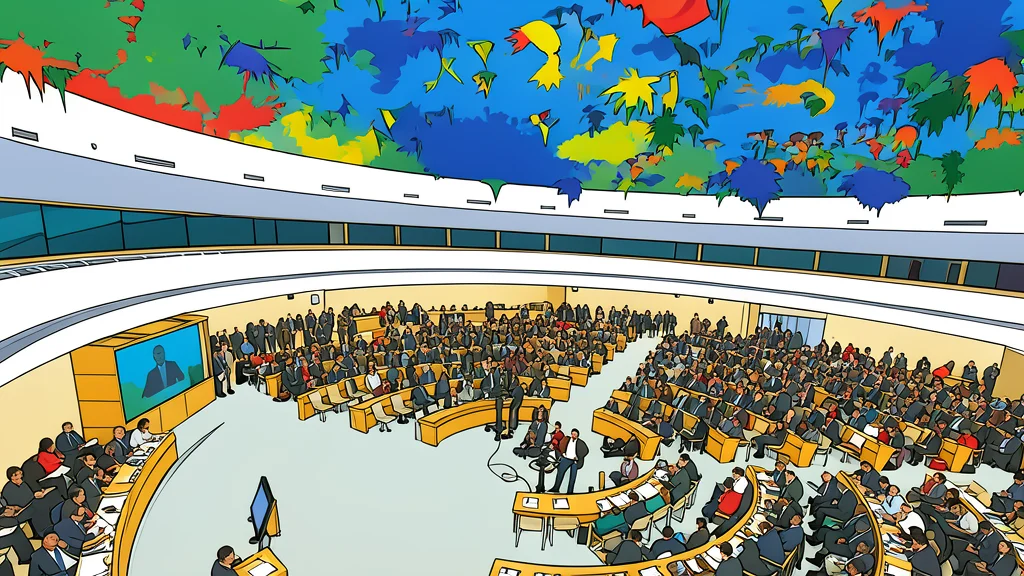
The United Nations has issued a comprehensive assessment indicating that Afghanistan’s stability is being eroded by systemic issues that extend well beyond the cessation of large-scale combat. According to the latest report by the Secretary-General to the Security Council, the country faces a complex array of challenges including widespread human rights violations, economic contraction, and persistent security threats. These factors, as noted in the material provided by GN geopolitics/war (en-US), suggest that the absence of war does not equate to peace, leaving the nation in a fragile and precarious state.
While the report acknowledges a reduction in nationwide armed conflict since 2021, it emphasizes that this security pause has not resolved the deep political, humanitarian, and economic crises gripping the country. The assessment argues that sustainable peace requires more than the absence of violence; it demands a fundamental shift toward accountable governance, respect for fundamental rights, and broader political participation. Without these structural changes, the underlying tensions continue to threaten the long-term viability of the state.
Systemic Restrictions on Women’s Rights
One of the most critical concerns highlighted in the document is the growing restriction on the rights of women and girls. The UN states that systematic limitations on education, employment, and public life are not only a violation of fundamental human rights but also a significant impediment to economic recovery. By excluding half the population from the workforce and civic engagement, these measures weaken the country’s capacity for growth and diminish its prospects for meaningful international engagement.
Economic Fragility and Humanitarian Strain
The report identifies worsening economic conditions as a primary driver of instability. Millions of Afghans continue to face poverty, food insecurity, and limited access to healthcare, particularly as humanitarian funding declines. The centralization of the current political system has also been cited as an obstacle to stability, with the UN calling for a framework that represents all ethnic and social groups. This lack of inclusive governance exacerbates the struggle of domestic institutions to deliver essential services to a population in dire need.
Additional pressure is being felt through the return of Afghan migrants from neighboring countries. According to the assessment, this influx has intensified demand for housing, employment, and healthcare at a time when the economy is already fragile. These returnees place a significant burden on overstretched communities and humanitarian agencies, further straining resources that are already insufficient to meet the basic needs of the population.
Persistent Security and Diplomatic Challenges
Security concerns remain unresolved despite the reduction in fighting, as terrorist groups continue to operate within Afghanistan. The report underscores that these groups pose risks to both regional and international security, necessitating continued efforts to counter terrorism and violent extremism. Furthermore, restrictions on women working for humanitarian organizations and UN agencies have reduced the effectiveness of aid operations, limiting the ability of agencies to reach vulnerable communities, particularly women and children.
The United Nations maintains that continued international engagement is essential to support the Afghan people. The organization is pursuing this through humanitarian assistance and diplomatic dialogue, aiming to encourage progress on human rights, inclusive governance, and counterterrorism commitments. The forward question for the international community is whether diplomatic pressure and aid can effectively bridge the gap between the current governance structure and the requirements for a stable, inclusive, and rights-respecting society.