Berlin-Moscow Ties Face Deepening Fracture
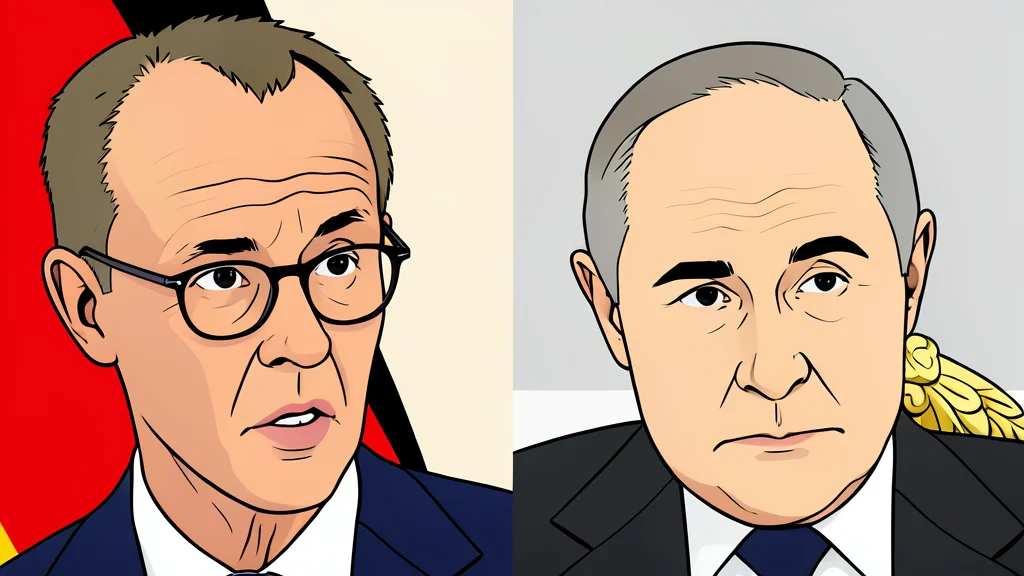
The economic partnership that defined German-Russian relations for two decades has collapsed, replaced by a security confrontation marked by severed diplomatic channels and mutual accusations of espionage.
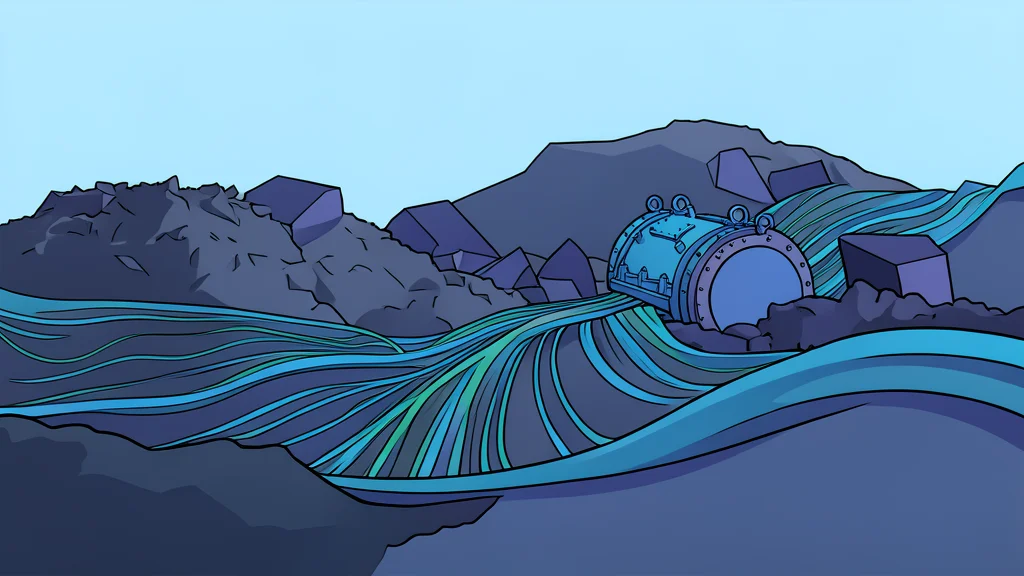
The era of close economic cooperation between Germany and Russia, which relied on Russian energy supplies to fuel German industrial exports, has ended. According to Deutsche Welle, the full-scale invasion of Ukraine in 2022 shattered the political foundations of this relationship, which had persisted even after the annexation of Crimea in 2014. The construction of the Nord Stream 2 pipeline, once seen as a symbol of bilateral stability, was halted and subsequently damaged in 2022, marking a definitive break in the energy sector.
German policymakers had previously projected their own rationality onto Moscow, underestimating the regime's imperial ambitions. Following the invasion, Chancellor Olaf Scholz declared a 'Zeitenwende,' or epochal shift, in foreign policy. Since then, Germany has expanded its armed forces and ended its dependence on Russian energy, while EU sanctions have reduced trade to a minimum. Cultural and scientific cooperation has also largely ceased, leaving a vacuum in bilateral engagement.
Diplomatic channels tighten further
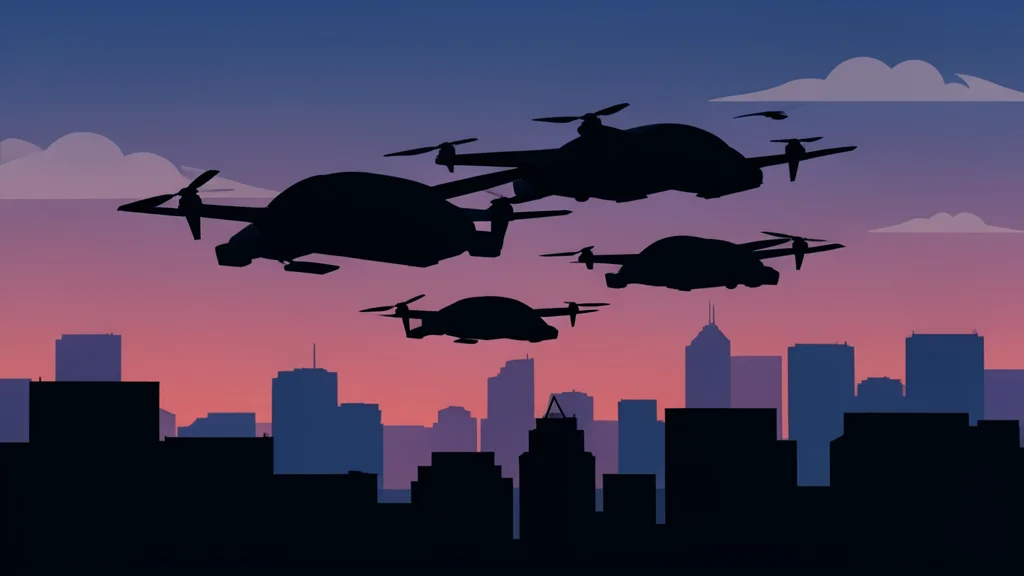
Tensions escalated significantly in late 2026 after a drone was defused at Leipzig Airport, an event the German government publicly attributed to the Kremlin. This incident followed long-standing suspicions that Russian actors were responsible for cyberattacks on German government agencies and critical infrastructure. In response, Berlin closed the Russian cultural center and consulate, citing espionage concerns.
Moscow reacted by shutting down Goethe Institutes and the German consulate in St. Petersburg. Russian officials denied involvement in the Leipzig incident, with Foreign Minister Sergey Lavrov describing the accusations as the beginning of a real war. Despite these escalations, experts caution against succumbing to fear, noting that the political landscape remains complex.
Political factions diverge on strategy
The German government's approach has evolved under different leaderships. Friedrich Merz, now serving as chancellor, has adopted a harder line, stating that Ukraine must win the war and that the West must help bring about Russia's economic exhaustion. However, this outcome has not yet materialized, as Moscow shows no clear willingness to compromise.
Meanwhile, the far-right Alternative for Germany (AfD) party is calling for a normalization of relations, contrasting sharply with the current government's posture. This internal political divide highlights the difficulty of maintaining a unified front on security policy while managing the consequences of military support for Ukraine.
Uncertain security landscape ahead
The relationship between Berlin and Moscow now operates in a state of high tension, with limited avenues for dialogue. The closure of diplomatic and cultural institutions has removed key channels for communication, increasing the risk of miscalculation. As both sides continue to accuse each other of hostile activities, the prospect of a near-term thaw appears remote.
Analysts suggest that the focus should remain on strengthening defensive capabilities and international cooperation rather than engaging in rhetoric that could further escalate the conflict. The coming months will likely be defined by continued scrutiny of security threats and the strategic calculations of both governments as they navigate this fractured landscape.