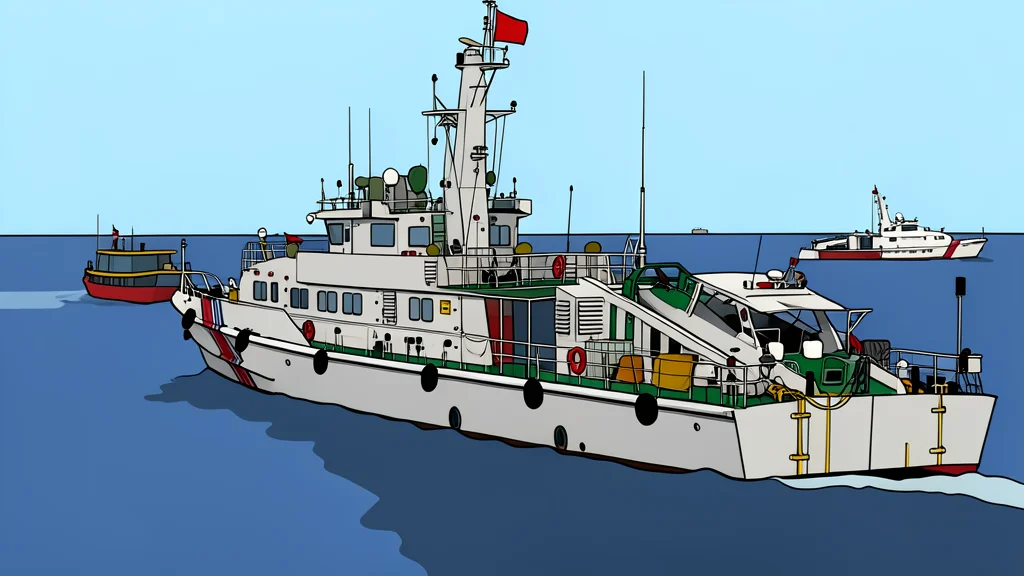
Yemen Escalation Tightens Grip on Global Energy Supply

The Houthi capture of key Red Sea ports has intensified pressure on global oil markets, compounding existing disruptions from the Iran conflict.
The conflict in Yemen has entered a critical phase, with Houthi forces securing control over nearly the entire Red Sea coastline. This strategic shift grants the Iran-aligned group command over the Bab al-Mandab Strait, a vital chokepoint for international trade. According to analysis from GN auto geopolitics/middle-east: Yemen conflict, this development marks a significant escalation that could ripple far beyond the Middle East, directly impacting global energy security and supply chains.
Simultaneously, the Houthi offensive has targeted Saudi Arabia’s energy infrastructure, leading Riyadh to temporarily shut down its East-West pipeline following a drone strike attributed to pro-Iranian militias in Iraq. These coordinated pressures on two major oil transit routes have contributed to a sharp spike in crude prices, which reached $110 per barrel in mid-September. Analysts warn that prolonged disruptions in either the Red Sea or the Persian Gulf could destabilize global markets further.
Dual Pressures on Energy Markets
The current volatility is driven by what experts describe as a dual-conflict dynamic. Gregory Brew of the Eurasia Group notes that both the Saudi-Houthi hostilities and the ongoing US-Iran tensions are simultaneously straining international oil supply. The Strait of Hormuz remains effectively closed due to the war that began in late February, while the Bab al-Mandab faces the threat of blockade. Goldman Sachs has projected that oil prices could climb to $120 per barrel if these two fronts remain active.
The economic implications are severe, as the Bab al-Mandab accounts for approximately six percent of seaborne oil trade. A month-long shutdown of Saudi pipelines could result in a loss of 120 million barrels, according to Kpler. This convergence of risks creates a fragile environment where any further escalation could trigger widespread economic shockwaves, particularly in regions dependent on stable energy imports.
Diplomatic Maneuvering Amidst Military Stalemate
Despite the military escalation, diplomatic channels remain active. Saudi Arabia has requested military assistance from the United States, but President Donald Trump has reportedly declined, citing a desire to avoid a quagmire ahead of the midterm elections. Meanwhile, US officials met with Houthi leaders in Oman on September 15. Reports indicate that the Houthis have assured Washington they will spare non-Saudi shipping, focusing their attacks specifically on vessels linked to the kingdom.
Thomas Juneau of the University of Ottawa suggests that the US logic is driven by the need to manage the Iran conflict in the Gulf without opening a second major front in Yemen. This cautious approach reflects a broader strategy to limit direct involvement while monitoring the regional stability. The Houthi push, which resulted in the capture of the port city of Mokha and several Red Sea islands, has significantly altered the balance of power on the ground.
Forward-Looking Risks for Global Trade
Looking ahead, the focus remains on whether the Houthi control of the Red Sea coast will translate into actual blockades or continued targeted attacks. The situation is further complicated by the sporadic strikes between Tehran and Washington, which continue to disrupt shipping in the Persian Gulf. The interplay between these two conflicts will likely dictate the trajectory of oil prices and the broader geopolitical landscape in the coming months.
Key indicators to watch include the status of the East-West pipeline, any formal blockade of the Bab al-Mandab, and the outcome of ongoing diplomatic talks in Oman. The resilience of global supply chains will depend on how quickly alternative routes can be utilized and whether diplomatic efforts can contain the violence before it spirals out of control.