Black Sea Tensions Escalate After Drone Strike on Civilian Vessel
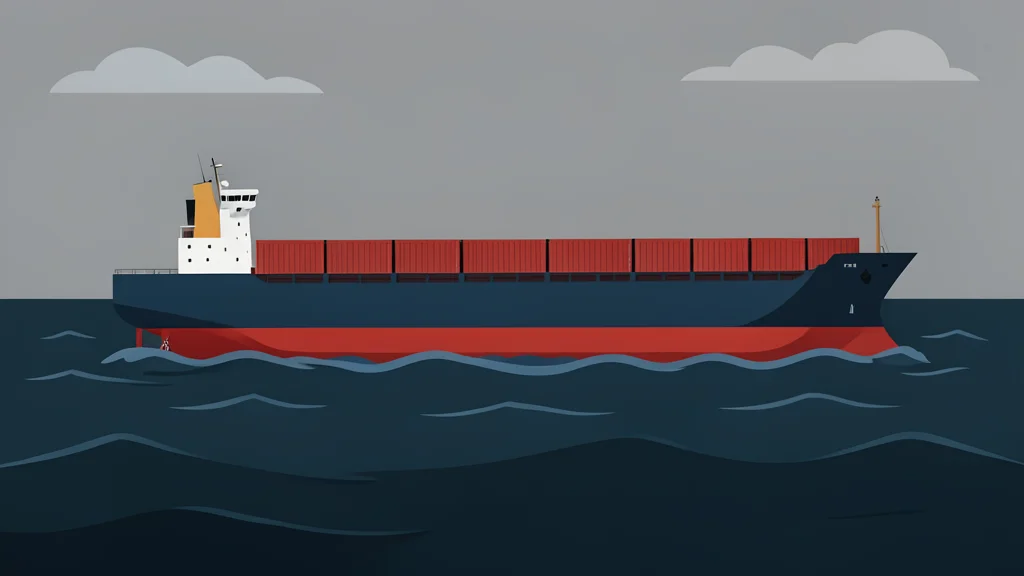
A recent drone attack on a Tanzania-flagged ship in the Black Sea has intensified concerns over maritime safety and the broader strategic standoff between Russia and Ukraine.
According to Ukraine’s Infrastructure Ministry, a Russian drone struck a civilian vessel flying the Tanzanian flag on September 17. The ship was traveling toward a Ukrainian port when the incident occurred, resulting in the death of the captain and injuries to three other members of the crew. Officials noted that specific details regarding the destination port and the full extent of the damage to the vessel remain under review.
The ministry emphasized that such incidents are part of a broader pattern of targeting port infrastructure and commercial shipping in the Black Sea. They described these actions as a significant threat to international logistics routes and called for coordinated international measures to enhance the protection of civilian maritime traffic in the region.
Escalation in Maritime Conflict
This latest incident follows a period of heightened hostilities during the spring and summer months. In July, Kyiv initiated Operation Molochka, a campaign aimed at disrupting Russia’s shadow fleet activities in the Black Sea and the Sea of Azov. The objective was to tighten pressure on Russian-occupied Crimea, marking a significant shift in the naval dimension of the conflict.
The surge in attacks has raised alarms among neutral parties. In August, Turkey urged both Moscow and Kyiv to adopt a moratorium on strikes against vessels, citing recent incidents involving Turkish-flagged ships. While Ukraine has expressed willingness to accept such a pause in hostilities, Russia has shown little interest in de-escalating the situation in the waterway.
Strategic Shifts In Grain Logistics
The current volatility is rooted in the collapse of previous diplomatic frameworks. Since Russia withdrew from the U.N. and Turkey-brokered grain deal, Ukraine established its own maritime corridor in August 2023 to maintain export capabilities. This unilateral move has led to regular targeting of ports and civilian shipping by Russian forces, according to Kyiv Independent reports.
The situation underscores the fragility of global supply chains in the region. With both sides engaged in aggressive naval tactics, the risk to international commerce continues to grow. The lack of a unified international response has left shipping lanes vulnerable to sporadic but impactful attacks that threaten not only national interests but also global food security.
Uncertain Future For Black Sea Trade
Observers are now watching for any diplomatic breakthroughs that might stabilize the region. The key question remains whether international pressure can force a return to negotiated safe passages or if the conflict will continue to dictate the terms of maritime trade. The next moves by both Kyiv and Moscow will be critical in determining the future stability of the Black Sea.