UN Report Details Systematic Repression in Belarus
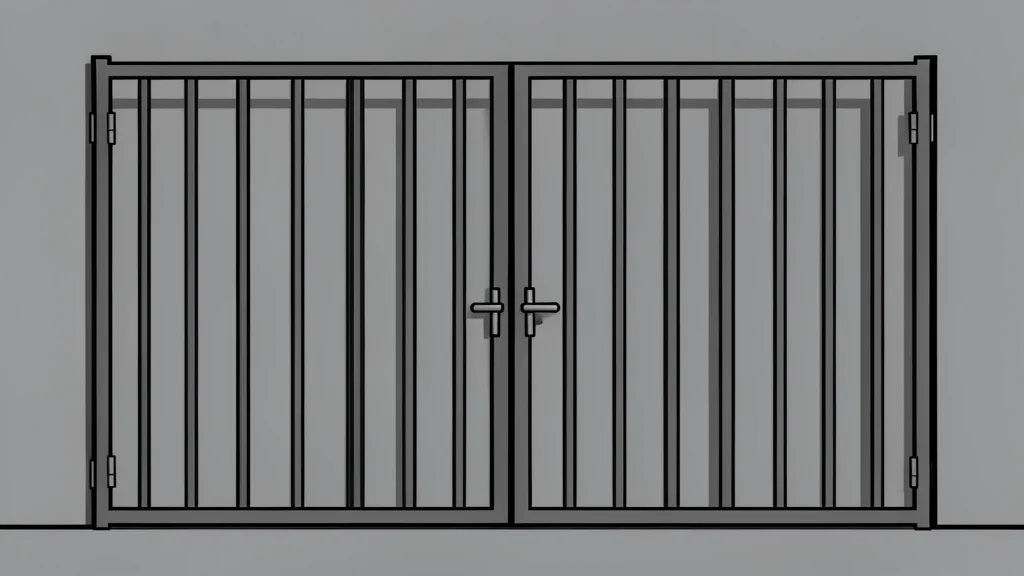
A new United Nations assessment characterizes the handling of political dissent in Belarus as a crime against humanity, citing widespread torture and arbitrary detention.
The United Nations Group of Independent Experts on the Situation of Human Rights in Belarus has concluded that the country’s authorities have weaponized the criminal justice system to suppress government dissent. According to the report, this conduct constitutes crimes against humanity, specifically persecution and imprisonment. The experts identified violations of multiple international treaties, including the Convention against Torture and the International Covenant on Civil and Political Rights.
The findings indicate a widespread and systematic attack on a segment of the civilian population. The report details arbitrary arrests of peaceful demonstrators, social media critics, trade unionists, lawyers, and media workers. These individuals were detained based on their actual or perceived opposition to the government. The experts noted that Belarusian authorities did not cooperate with the investigation and failed to provide effective remedies for those whose rights were violated.
Documented Abuse of Legal Process
The assessment highlights severe deficiencies in fair trial guarantees. Defendants have been held in metal cages during court proceedings, and lawyers representing them have faced disbarment or arrest. The report describes instances where officers placed sacks over detainees' heads and tightened handcuffs to the point of causing permanent scars. In one notable case, a court granted a defendant only 25 days to review 240 volumes of evidence, each containing hundreds of pages, while prohibiting the lawyer from making copies.
Forced video confessions and physical mistreatment during interrogations were also documented. A separate account from the Belarusian human rights organization Viasna describes a former detainee held in a two-person cell with ten others. After his release, police regularly monitored his activities and contacted his wife. These practices suggest a deliberate strategy to intimidate dissenters and deter potential critics from speaking out against the regime.
Legal Framework and State Neglect
The report emphasizes that international law requires states to respect rights without distinction based on political opinion. Article 2 of the ICCPR mandates that competent authorities provide effective remedies to those whose rights are infringed. Similarly, the Convention against Torture defines torture as any act intentionally causing severe pain or suffering to obtain information or as punishment. It requires states to criminalize torture and take legislative and judicial measures to prevent it, with no exceptions for emergencies.
Rising Number of Political Prisoners
According to the UN experts, there are currently 886 political prisoners in Belarus. Since the 2020 election, the number of recognized political prisoners has reached 4,815. Multiple previous UN reports have detailed the erosion of civil liberties in the country. The current findings reinforce the view that repression has intensified rather than subsided.
The situation remains fluid as the international community weighs further responses. Observers will watch for any changes in the government's approach to judicial proceedings or potential diplomatic engagements. The lack of cooperation from Belarusian authorities complicates efforts to verify conditions on the ground. The forward question centers on whether international pressure will lead to accountability or if the cycle of detention and repression will continue unabated. The geopolitical implications of such systematic human rights violations remain a subject of intense debate among policy analysts.