Britain and Germany Launch Joint Program for Long-Range Strike Weapons
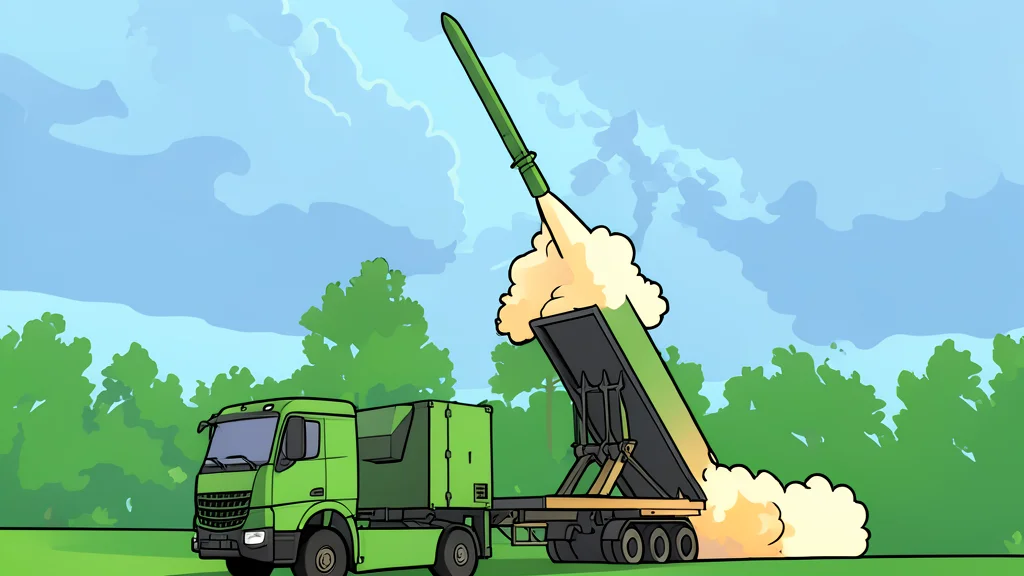
London has committed £770 million to a bilateral initiative with Berlin aimed at developing advanced cruise and hypersonic missiles to bolster NATO's deterrent capabilities.
The United Kingdom has announced a £770 million investment in a joint weapons development program with Germany, marking a significant step in deepening their defense cooperation. According to GN geopolitics/nato, this initiative focuses on creating long-range strike capabilities that extend beyond 2,000 kilometers, targeting both cruise and hypersonic technologies. The move is framed as a strategic effort to enhance deterrence against growing regional aggression while solidifying the alliance's conventional firepower.
This financial commitment is part of a broader £11.1 billion plan for weapons and munitions over the next four financial years. By prioritizing these advanced systems, London aims to provide military commanders with more versatile options for response and deterrence. The program builds upon the Trinity House Agreement signed in late 2024, which established the framework for this enhanced bilateral relationship in defense production.
Expanding the Trinity House Framework
The new investment expands the scope of work initiated under the Trinity House Agreement, which previously focused on general defense collaboration. Now, the emphasis shifts specifically to long-range strike and close-support artillery. According to official statements, this shift places deep precision strike at the center of the growing defense relationship between London and Berlin.
While the initial phase concentrates on ground-launched weapons to provide a defined route towards fielding capabilities, the scope is intended to broaden. Officials have indicated that air-launched and naval options will also be examined, potentially opening the way for a broader family of weapons operating across several domains. This multi-domain approach is designed to ensure flexibility and robustness in future military operations.
Strategic Deterrence and Production
The program is explicitly linked to Britain’s stated goal of taking greater responsibility for European security. By strengthening NATO against Russian aggression, the government seeks to link military cooperation more closely with weapons production and procurement. The resulting systems are described as difficult to defeat, aiming to reach strategic targets with high precision while maintaining a credible deterrent posture.
These new capabilities are expected to operate alongside Britain’s existing Tomahawk deep-strike capability during the 2030s. The strategy involves combining advanced long-range missiles with less expensive cruise weapons and one-way attack systems. This layered approach seeks to balance high-end strategic strikes with cost-effective tactical options, ensuring a comprehensive defense posture.
Future Funding and Uncertainties
The £770 million allocation represents an opening financial commitment rather than the final cost of the project. Further funding is planned, with expectations of at least £20 billion invested in weapons and munitions between 2030 and 2035. This includes additional spending on the long-range systems being pursued with Germany, signaling a long-term dedication to this joint industrial effort.
However, significant details remain undisclosed. The available documentation does not identify the specific companies expected to participate, nor does it specify where the weapons will be produced or the exact number of units to be ordered. Beyond the objective of producing weapons with ranges above 2,000 kilometers early in the next decade, there is no detailed schedule provided. Observers will likely watch for contract awards and industrial announcements in the coming months to gauge the pace of development.