US President Criticizes NATO over Iran Conflict
President Donald Trump has voiced sharp frustration with NATO allies for declining to support US operations regarding the Strait of Hormuz, a move that has intensified diplomatic tensions and raised questions about the alliance's future cohesion.
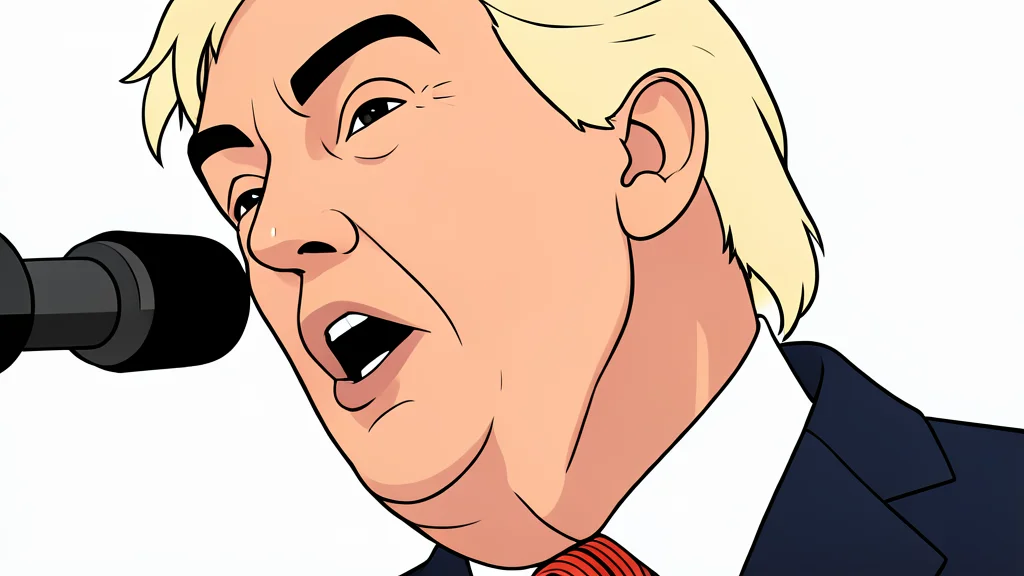
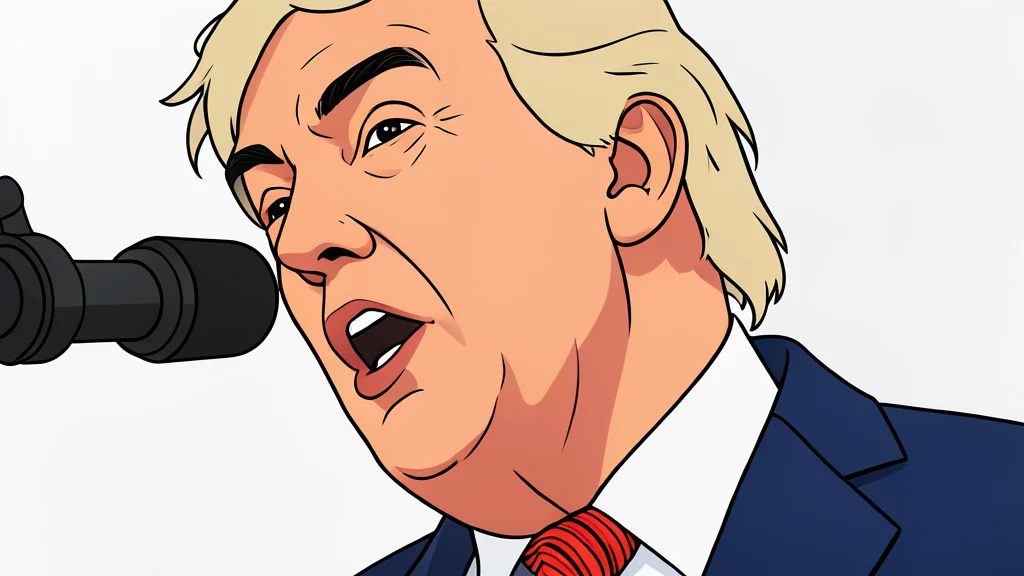
President Donald Trump expressed significant dissatisfaction with NATO on Saturday, criticizing the alliance for refusing to participate in US military operations concerning the Strait of Hormuz. Speaking from the Deerfield Residence in Dublin, the US President framed the lack of allied support as a disappointing development in broader transatlantic relations. He described the situation as part of a wider pattern of disagreement with European partners on issues ranging from trade to energy policy, suggesting a deepening rift in the traditional security partnership.
According to reports from GN geopolitics/nato, the President’s comments were delivered during a visit to Ireland, where he is attending the closing weekend of the 2026 Amgen Irish Open. While acknowledging the economic importance of the waterway, he argued that the United States does not rely on oil from the strait due to its own substantial domestic production. This assertion stood in contrast to global market trends, where oil prices have surged above $100 per barrel for the first time in months, driven by concerns over Iran’s increased control of the shipping lane since the start of the conflict.
Diplomatic Tensions With European Leaders
The President’s remarks appear to exacerbate existing friction with several key European allies, including French President Emmanuel Macron and Italian Prime Minister Giorgia Meloni. These leaders have previously expressed concern over the lack of prior consultation regarding US military actions in the region. The conflict has already disrupted global economic stability and sparked fears of a broader energy crisis, complicating diplomatic efforts to maintain unity within the alliance. Trump’s characterization of the allies’ refusal as a financial saving for the US further underscores the divergent strategic perspectives between Washington and Brussels.
Strategic Importance Of Strait Of Hormuz
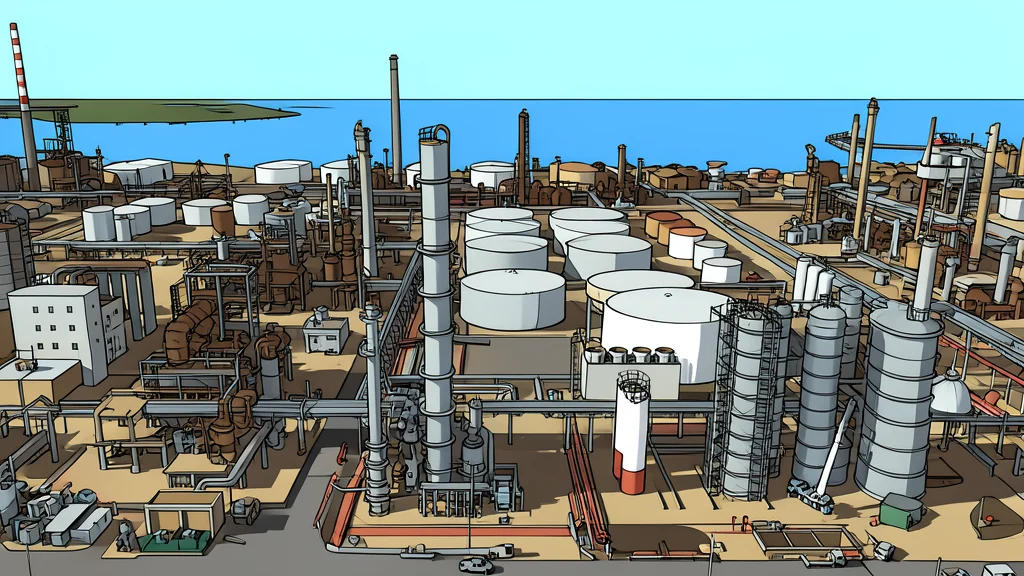
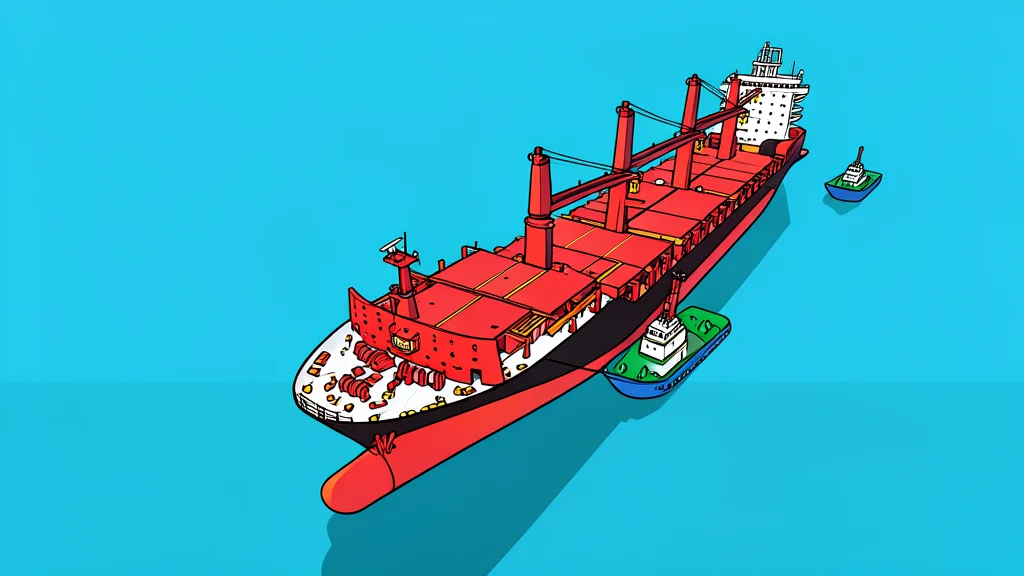
The Strait of Hormuz remains a critical chokepoint for global energy supplies, with approximately one-fifth of the world’s oil passing through the narrow waterway. Iran’s tightening grip on the strait has been a central factor in the recent spike in crude oil prices. While the US administration maintains that it is not directly dependent on this supply route, the economic repercussions are felt globally. The President’s decision to proceed without NATO support has been interpreted by some analysts as a test of the alliance’s resilience and the extent of shared strategic interests in maintaining free flow of maritime trade.
Future Of Transatlantic Security Cooperation
As the situation in the region remains volatile, attention now turns to how other NATO members will respond to the US posture. The lack of a unified approach raises questions about the alliance’s capacity to manage crises that affect global energy markets. Observers will be watching for any further diplomatic moves from European capitals to re-engage with Washington, as well as potential adjustments in US policy that might signal a shift in tone toward its allies. The coming weeks are expected to be pivotal in determining whether the current strain leads to a lasting realignment of transatlantic security priorities.