Nigerian Cleric Urges Secular Conduct for 2027 Electoral Cycle
As Nigeria approaches the 2027 general elections, religious leaders are increasingly warning against the instrumentalization of faith in political campaigns, arguing that such practices undermine legal integrity and national cohesion.
Sheikh Muhammad Khalid, widely recognized as the Digital Imam, has issued a stern caution against the use of religious rhetoric in political campaigning. Speaking in Yola, the cleric emphasized that leveraging faith for electoral advantage violates existing legal frameworks and erodes the foundation of ethical governance. His remarks reflect a growing concern within Nigerian civil society regarding the blurring lines between religious authority and political ambition as the next election cycle nears.
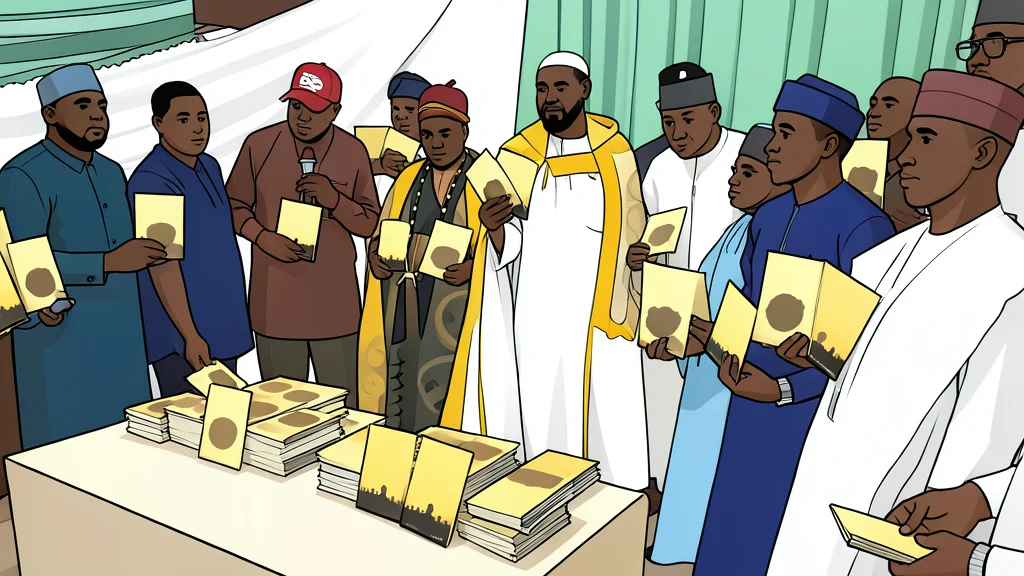
The comments were made during a literary event focused on identity and inclusion, where Khalid argued that political actors must adhere strictly to electoral laws. He cited Article 101 of the Electoral Act, stating that a lawful society is a prerequisite for good governance. According to Khalid, unethical campaigns inevitably lead to unethical leadership, creating a cycle that hampers national development and civic trust.
Legal frameworks for ethical governance
Khalid’s position aligns with broader legal interpretations in Nigeria, which prohibit the use of religious symbols and sentiments in official electoral materials. By invoking specific statutory provisions, the cleric sought to ground his moral argument in legal reality. He warned that politicians who exploit religious sentiments are not only breaking the law but also misrepresenting the purpose of faith in public life. This perspective challenges the common practice of mobilizing voters through sectarian loyalty rather than policy-based persuasion.
The cleric stressed that the quality of leadership is directly tied to the integrity of the campaign process. He noted that when campaigns are driven by divisive rhetoric, the resulting governance lacks the ethical backbone necessary for serving all citizens. This view underscores a significant shift in how some Nigerian intellectuals and religious figures are engaging with the political landscape, prioritizing legal compliance over partisan advantage.
Literary context of civic discourse
The remarks were delivered at the launch of two books by author Felix Samari, titled 'The Implicated' and 'When My Name Was Not Called.' The event, themed around religion, identity, and belonging, provided a platform for discussing the role of literature in shaping national dialogue. Reviewers Dr. Adamu Babikkoi and Johnson Madi praised the works for their emphasis on human dignity and inclusion, suggesting that such narratives are crucial for fostering a cohesive society.
Samari stated that his publications aim to promote peace and religious tolerance by encouraging Nigerians to look beyond ethnic and religious differences. He welcomed the reviewers' advice to broaden the scope of future editions to include diverse perspectives, including those of individuals who do not identify with specific religious or gender classifications. This literary initiative highlights the role of civil society in countering divisive narratives ahead of the 2027 elections.
Implications for national cohesion
The intersection of religious leadership and political regulation remains a sensitive area in Nigerian politics. Khalid’s call for a secular approach to campaigning is part of a wider movement to decouple religious authority from political power. According to the source material from GN auto geopolitics/africa: Nigeria elections, this stance is intended to prevent the exploitation of faith for personal or partisan gain, thereby protecting the integrity of the democratic process.
Looking ahead, observers will watch how major political parties respond to such admonitions from influential religious figures. The success of this approach will depend on whether political actors choose to adhere to legal boundaries or continue to rely on sectarian mobilization. The coming months will likely see increased scrutiny of campaign materials and speeches, with civil society groups monitoring compliance with electoral laws to ensure a fair and inclusive contest.