CDU Misses 5% Threshold in Mecklenburg-Western Pomerania
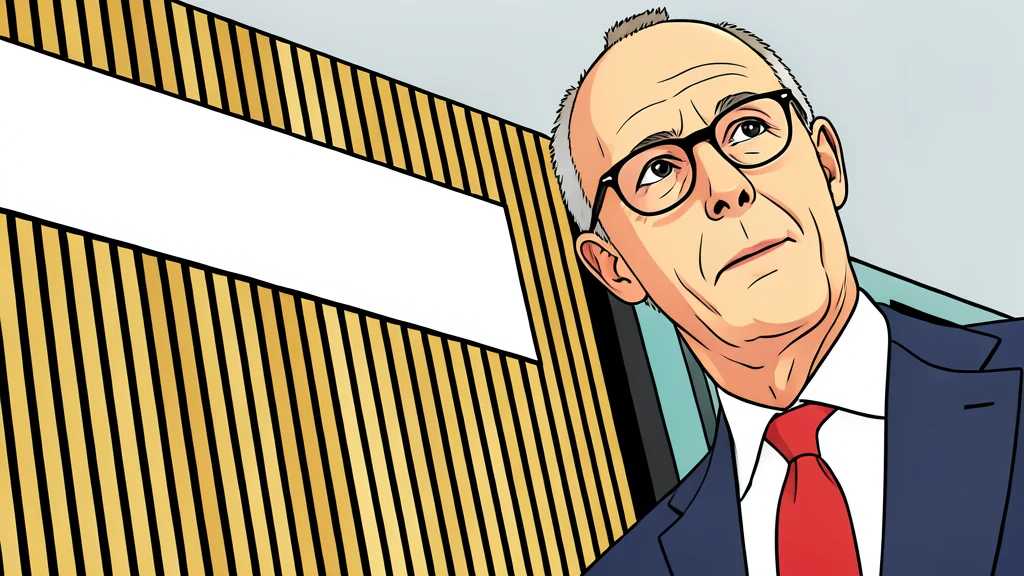
Chancellor Merz faces historic electoral defeats as the CDU fails to enter a state parliament for the first time.
Key points
- The CDU failed to reach the 5% threshold in Mecklenburg-Western Pomerania, its first-ever exclusion from a state parliament.
- The AfD increased its vote share to 38% in Mecklenburg-Western Pomerania and 16% in Berlin, marking significant growth.
- Chancellor Merz acknowledged the defeat as a turning point, citing a shift in the political system and criticism of his party's firewall policy.
Chancellor Friedrich Merz faces a significant political crisis following state elections in which the Christian Democratic Union (CDU) suffered historic defeats. In Mecklenburg-Western Pomerania, the party failed to clear the five percent threshold required for parliamentary representation, marking the first time in its history that it has been excluded from a state legislature.
The losses extend to Berlin, where the CDU, despite being the incumbent governing party, suffered heavy vote losses that likely relegate it to the opposition. According to Deutsche Welle, these results represent a profound turning point for the federal government, with Merz acknowledging that the outcome is a heavy blow that will resonate with the party for a long time to come.
Historic Failure for Centrist Bloc
Merz attributed the setbacks to a broader shift in the German political landscape, noting that more than 40 percent of the vote went to parties he described as destructive to the parliamentary system. He stated that federal policy failed to convince the public, while also pointing to the growing influence of forces at the political margins that offer radical and simple solutions to complex problems.
The Alternative for Germany (AfD) and the Left Party gained substantial ground in these elections, capitalizing on voter dissatisfaction with the centrist establishment. In the northeastern coastal state, the AfD more than doubled its previous result, while in Berlin, its support increased from nine percent to sixteen percent, signaling a significant realignment of the electorate.
Rise of Far-Right and Left
AfD co-leader Tino Chrupalla declared that the momentum behind his party cannot be stopped, while his co-leader Alice Weidel characterized the CDU as pulverized and suggested the chancellor’s resignation is overdue. Weidel criticized the CDU’s firewall policy, which refuses coalition partnerships with both the AfD and the Left, arguing that this strategy has isolated the Christian Democrats from the broader electorate.
Political scientists offer a more nuanced view of the shifting dynamics. Wolfgang Muno from the University of Rostock noted that while the AfD has grown, it is classified as a right-wing extremist party by domestic intelligence in several states. Conversely, Muno argued that the Left Party has moved toward pragmatism and democratic orientation, challenging the CDU’s characterization of all non-centrist parties as extremist threats.
Political Scientists Question Firewall Strategy
Muno contended that the CDU’s refusal to engage with the Left is a mistake, particularly as the party has shown a willingness to cooperate within democratic frameworks. He emphasized that while incidents of antisemitism require clear condemnation, labeling the entire Left as extremist is unfounded and counterproductive for a party seeking to retain its position as the primary force of conservative governance.
The upcoming weeks will test the resilience of Merz’s leadership and the cohesion of the CDU. Observers will watch closely how the chancellor addresses the internal party divisions and whether the federal government can adjust its policy messaging to counter the growing appeal of the political fringes. The stability of the current coalition remains uncertain as the fallout from these state-level results continues to unfold.