Tehran and Muscat Postpone Strait of Hormuz Talks Amid Rising Tensions
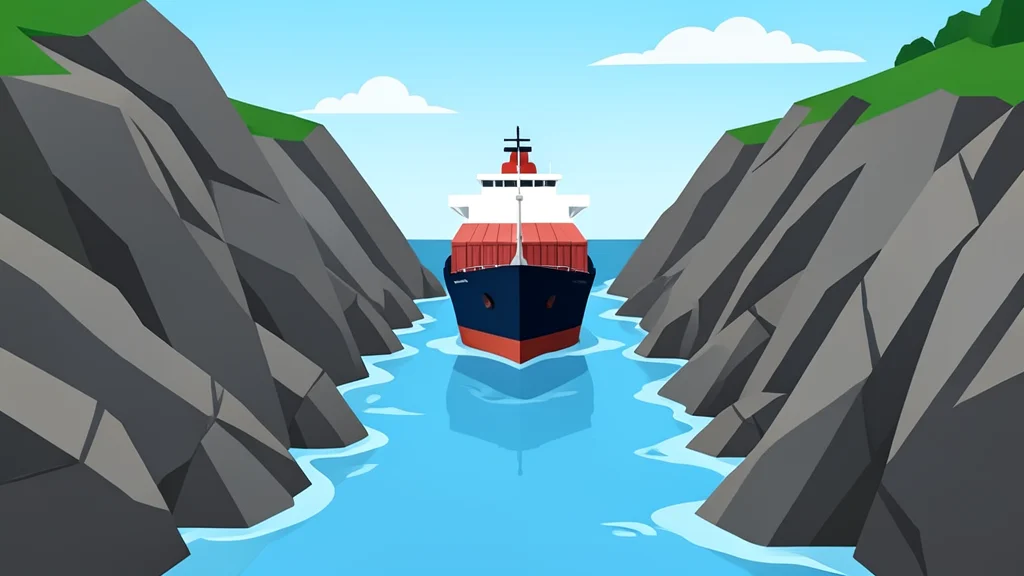
Iran and Oman have agreed to delay negotiations over the Strait of Hormuz, citing the need for broader regional consensus following a recent attack on a cargo vessel.
Negotiations between Iran and Gulf Arab states, previously scheduled to take place in Oman, have been postponed at the request of several regional countries. According to reports from Al Jazeera English, the delay was a joint decision by Tehran and Muscat, aimed at prioritizing a unified regional stance amid escalating tensions in the Strait of Hormuz. The postponement came shortly after an attack on an Iranian commercial cargo vessel that resulted in one fatality and several injuries, underscoring the fragility of the current diplomatic efforts.
Omani Foreign Minister Badr Albusaidi stated that the meeting was postponed in the interests of consensus, emphasizing the country's continued commitment to fostering dialogue that supports stability and lasting cooperation. Oman has increasingly positioned itself as a key mediator, leveraging its decades-long role as a trusted interlocutor with Tehran. The country’s strategic position is significant, as the southern shore of the Strait of Hormuz lies within Omani territory, making it directly affected by disputes over navigation and security in the waterway.
Divergent Positions on Maritime Control
The core of the disagreement centers on the management of the strait. In July, Muscat proposed a joint regional mechanism that would split control 50-50 and introduce voluntary fees from shipping vessels to fund navigation and environmental protection, similar to the model used in the Strait of Malacca. Iran rejected the voluntary fee structure, insisting instead that payments should be compulsory for all vessels transiting the chokepoint. Furthermore, Tehran has pushed for vessels to use routes closer to the Iranian coast, leading to targeted incidents against ships traveling near the southern shore.
These talks have yet to produce a breakthrough, leaving the status of one of the world’s most critical energy corridors in flux. Before the recent conflict, approximately one-fifth of the world’s oil and liquefied natural gas supplies were shipped from Gulf producers via this route. The disruption of this flow has become a central issue in the broader conflict, with significant implications for global energy prices and supply chains.
Escalating Rhetoric and Military Posturing
Despite the diplomatic pause, rhetoric from both sides remains sharp. Iranian President Masoud Pezeshkian posted on social media that his people cannot be bullied into submission and that Iran will not surrender. In contrast, US President Donald Trump suggested that Iran is eager to make a deal, claiming they are calling constantly. This divergence in assessment highlights the complex interplay between diplomatic maneuvers and public messaging, with each side attempting to assert a position of strength.
The military situation remains tense, with the United Kingdom Maritime Trade Operations reporting a vessel hit by a projectile in the strait, causing a severe fire and evacuation efforts. The US military has also been involved in striking Iranian-flagged vessels during a blockade of Iranian ports, while facing threats from Iranian ballistic missiles. The lack of immediate comment from US authorities on the latest incident adds to the uncertainty surrounding the security environment in the region.
Watchpoints for Future Diplomatic Moves
As the talks are delayed, attention turns to the potential for a new regional consensus. The success of future negotiations will depend on whether the involved parties can align their positions on maritime control and fee structures. The upcoming November midterm elections in the United States may also influence the administration’s approach, as restoring pre-war shipping levels is seen as a priority to lower energy prices. Observers will be watching for any signs of a shift in policy or new diplomatic initiatives that could de-escalate the situation in the Strait of Hormuz.