Ceuta Migration Crisis Shifts to New Facilities
Six weeks after a mass crossing event, Spanish authorities are relocating migrants from Ceuta’s beaches to structured shelters while processing thousands of voluntary returns to Morocco.
Spanish authorities have begun relocating hundreds of migrants from the streets of the Ceuta enclave to a new accommodation center. This move marks a significant shift in the management of the humanitarian situation six weeks after tens of thousands of people crossed from Morocco in late July. According to reports from GN geopolitics/migration (en-US), police coordinated the transfer to alleviate the pressure on makeshift camps that had formed in public areas.
In parallel, government officials stated that more than 5,000 individuals have returned to Morocco over the past month. The administration aims to process the remaining population by moving them into two new facilities currently under acceleration. These sites are designed to house over 1,000 people, aiming to reduce the number of migrants sleeping on beaches and in port areas.
Expanding shelter capacity in Ceuta
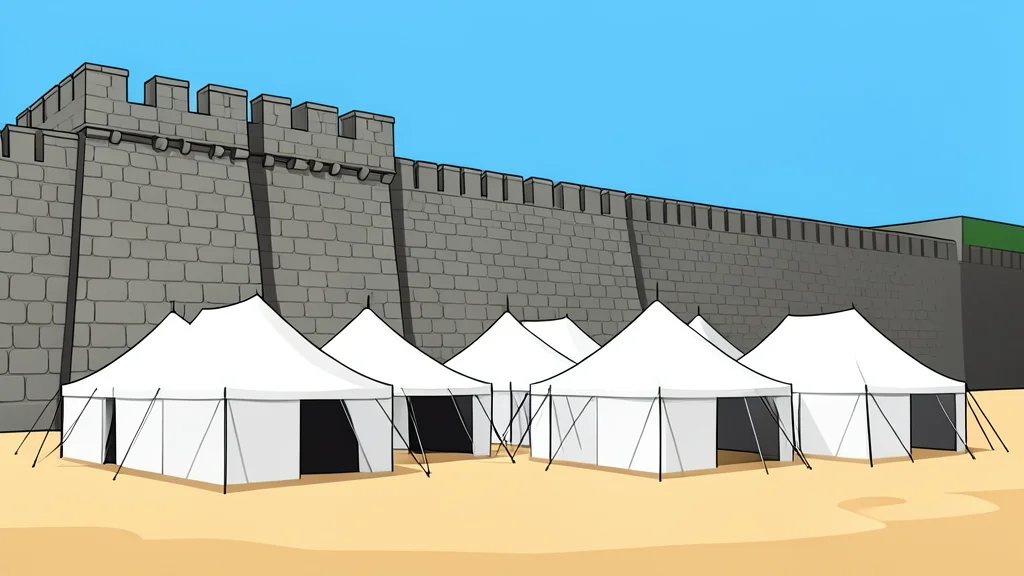
The Spanish government has announced that work is accelerating on two new accommodation sites within the enclave. According to Reuters, these facilities are intended to provide structured housing for those who entered Ceuta in late July but have not yet returned. Tents in the port area are reportedly nearing completion to accommodate additional residents, as per reports from the EFE news agency.
This expansion follows the addition of 864 temporary shelter spaces, bringing the total capacity to approximately 4,300. The migration ministry stated that these measures are part of a broader effort to stabilize the situation and manage the flow of people more effectively. The goal is to ensure that those remaining in the enclave have access to basic services and safe housing while their cases are reviewed.
Health concerns remain contained
Public health authorities have reported that five cases of chickenpox detected among the unvaccinated migrant population are under control. The National Institute of Health Management stated that these cases are contained and isolated, preventing wider spread within the community. Health officials are continuing to monitor the situation closely to ensure that no further outbreaks occur in the densely populated areas.
Political tensions and local unrest
The situation in Ceuta has become a source of significant political tension, with local residents accusing authorities of abandoning the city. Juan Jesus Vivas, the leader of the enclave and a member of the opposition Popular Party, estimates that 13,000 migrants remain, a figure significantly higher than government estimates. Protests have highlighted concerns over the ongoing humanitarian crisis and the strain on local resources.
Prime Minister Pedro Sanchez faces criticism ahead of next year's election, with the mass crossing event serving as a focal point for political debate. While the government emphasizes successful returns and improved accommodation, critics argue that the response has been insufficient to address the root causes of the migration wave. The next few weeks will be critical in determining whether the new facilities and return processes can bring lasting stability to the region.