Czechia Integrates Israeli Spyder Air Defense Systems
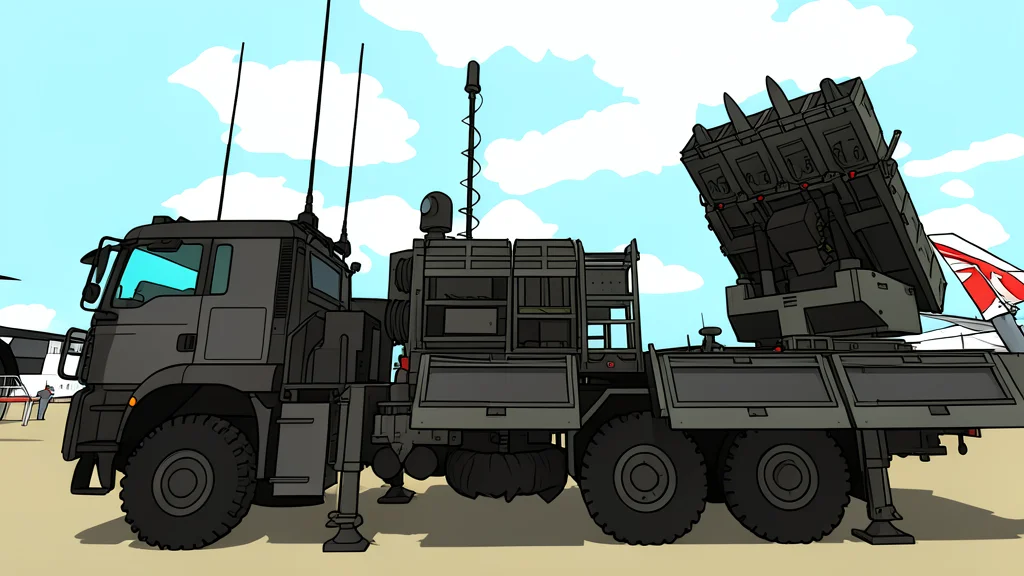
Prague marks a shift in alliance air defense capabilities as it becomes the first NATO state to field the Israeli Spyder system, replacing decades-old Soviet-era equipment.
Czechia is poised to become the first member of the North Atlantic Treaty Organization to deploy Israel’s Spyder air defense system, a move that signals a significant modernization of the country’s missile defense architecture. Defense Minister Jaromír Zůna confirmed on Saturday that the new units have successfully completed operational tests and are now entering the integration phase with the Czech Armed Forces. This development marks the end of an era for equipment that has served the military since the 1970s, replacing aging platforms with a system designed to counter contemporary threats.
The acquisition involves four Spyder batteries, which will be stationed at the 25th Air Defense Missile Regiment in Strakonice. According to Colonel Jaroslav Daverný, the regiment’s commander, this integration represents a distinct milestone within the alliance, as the Spyder system is currently utilized by approximately ten countries worldwide but has not previously been fielded by a NATO member. The full integration into the broader military defense network is projected to be finalized by 2028, at which point the system will be fully operational.
Replacing aging Soviet-era capabilities
The strategic rationale behind the purchase centers on addressing vulnerabilities against modern aerial threats, including drones, cruise missiles, and helicopters. Deputy Chief of the General Staff Petr Čepelka stated that the new system offers four to five times the capability of the equipment it is replacing. This upgrade is intended to enhance the protection of critical infrastructure and the general population, providing a more robust layer of defense within the national airspace.
Each battery consists of nine vehicles and four launchers, with components capable of operating several kilometers apart to improve survivability and coverage. Prime Minister Andrej Babiš indicated that while the current four batteries represent the first stage of a broader effort, the government is considering the purchase of additional units. Specifically, officials are evaluating the Spyder All-in-One variant, which consolidates radar, command, and launch functions on a single chassis, though no contract for these additional systems has yet been signed.
Local industry and training integration
The deployment is not merely a procurement exercise but also a collaborative industrial effort. The Spyder vehicles were assembled in Czechia, incorporating Israeli components such as radar equipment, computers, and missiles. Domestic entities, including the Military Technical Institute and the Pardubice-based defense electronics firm Retia, played key roles in the project. This approach supports the goal of increasing domestic industrial participation in high-tech defense sectors.
Personnel readiness is a critical component of the rollout. The military has already trained initial instructors, with further technical training for crews currently in progress. According to the timeline provided by the Ministry of Defense, the training program is expected to culminate in a live missile firing exercise in October 2027. This milestone will serve as a practical validation of the system's operational readiness before the full integration deadline in 2028.
Strategic implications for the alliance
The decision by Czechia to adopt the Spyder system introduces a new variable into the air defense landscape of Central Europe. As reported by GN geopolitics/nato, this move aligns with broader trends among NATO members to diversify their air defense portfolios beyond traditional Western platforms. The system’s proven track record in other national militaries suggests a level of reliability that may influence future procurement decisions in the region.
As the integration process moves forward, attention will turn to how the new systems interact with existing allied defenses and whether further nations will consider similar acquisitions. The upcoming live firing test in 2027 will be a key indicator of the system’s performance in a European operational context. For now, the focus remains on ensuring that the four initial batteries are fully operational and that the associated training pipelines meet the strict timelines set by the Ministry of Defense.