Moscow Widens Entry Bans Following EU Sanctions Move
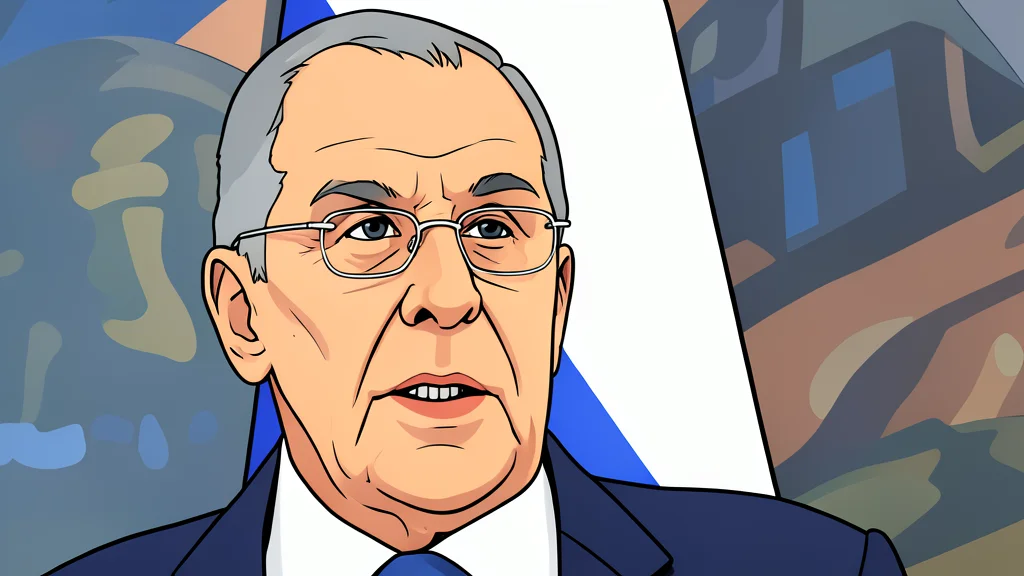
Russia has expanded its list of banned European visitors, citing the recent adoption of the EU's 21st sanctions package as the primary driver for the restrictive measures.
The Russian Ministry of Foreign Affairs announced on Friday that it has significantly expanded the list of individuals barred from entering the country. According to the ministry, this move is a direct response to the European Union’s adoption of its 21st package of anti-Russian sanctions earlier this month. The statement characterized the EU’s actions as unlawful decisions that necessitate a reciprocal tightening of border controls for specific European representatives.
The expanded list reportedly includes officials from European institutions, member state governments, and other European states that support Brussels’ policy toward Moscow. The ministry indicated that the restrictions target those involved in decisions regarding military aid to Ukraine, as well as those engaged in activities perceived as undermining Russia’s territorial integrity or obstructing maritime navigation.
Scope of the New Restrictions
Beyond high-level policymakers, the ministry stated that the bans extend to a broader group of individuals. This includes members of national parliaments in EU member states and the European Parliament who have voted for resolutions or draft laws against Russia. Additionally, the measures reportedly cover civil activists and representatives of academic communities in Europe who are described as holding hostile positions toward Moscow.
According to the statement, the criteria for inclusion in the ban list are multifaceted. They encompass not only direct policy decisions but also perceived damage to Russia’s relations with third countries. This broad definition suggests that the entry bans may affect a wider range of diplomatic, academic, and civic figures than previous iterations of such lists.
Context of the Sanctions Cycle
This development marks the latest exchange in a prolonged cycle of reciprocal measures between Moscow and Brussels. The EU’s 21st sanctions package, adopted on July 23, represents a continued escalation in economic and political pressure on Russia. In response, the Kremlin has consistently utilized entry bans as a tool to signal displeasure and limit the mobility of European officials and citizens.
Analysts note that these reciprocal actions often serve as symbolic gestures of defiance as much as practical deterrents. The inclusion of academics and civil society figures signals an attempt to isolate specific segments of European public life that maintain critical stances on the conflict. This approach mirrors previous instances where Russia targeted individuals for perceived political alignment rather than official government roles.
Implications for Diplomatic Engagement
The expansion of the entry ban list further complicates the already strained channels of communication between Russia and the European Union. With fewer European officials and representatives able to enter the country, opportunities for direct dialogue or behind-the-scenes negotiation are diminished. This trend contributes to a broader climate of diplomatic isolation, where face-to-face engagement is increasingly replaced by remote communication or third-party mediation.
As the geopolitical standoff continues, observers will watch whether these entry bans lead to further retaliatory measures from European capitals. The interplay between sanctions and counter-sanctions remains a central dynamic in the ongoing conflict, with each step potentially raising the stakes for broader economic and political decoupling.