Ambassador Huckabee Predicts Renewed Instability in Iran
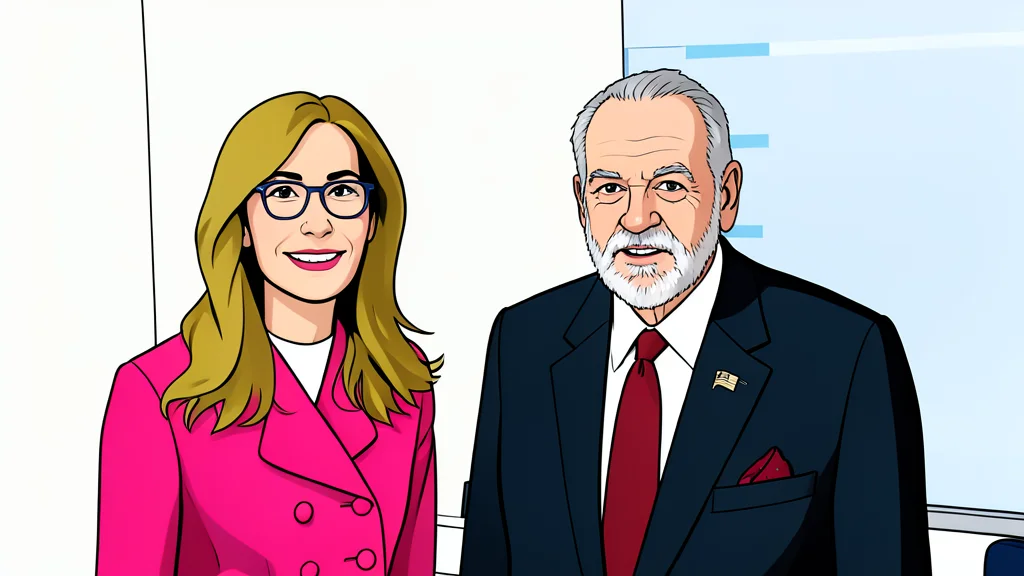
US Ambassador to Israel Mike Huckabee argues that internal fragility in Tehran is likely to spark a new wave of unrest, shifting the geopolitical focus toward internal dynamics rather than just external threats.
Mike Huckabee, serving as the US Ambassador to Israel, has presented a stark assessment of the current trajectory in Iran. In a recent interview, he characterized the Iranian state as militarily and economically weaker than at any point since the Islamic Revolution. According to Huckabee, this diminished capacity does not signal stability but rather creates fertile ground for domestic upheaval. He suggests that the regime’s grip on power is loosening, setting the stage for renewed internal challenges that could reshape the regional landscape.
This perspective positions the Iranian nuclear program and the strategic control of the Strait of Hormuz as persistent American concerns that cannot be solely delegated to regional partners. While acknowledging the strength of the Israeli-Iranian axis in countering Tehran’s ambitions, Huckabee emphasizes that Washington must maintain direct oversight. The discussion, sourced from GN auto geopolitics/middle-east: Iran nuclear, highlights a view that external pressure and internal economic strain are converging to create a volatile environment.
Iran’s Diminishing Regional Power
Huckabee credits the combined efforts of the United States and Israel for significantly degrading Iran’s military and economic capabilities. He argues that this erosion of power has left the regime vulnerable to internal dissent. The ambassador predicts that future protests may be better organized and more determined to resist the government, indicating a shift in the nature of domestic opposition. This assessment suggests that the primary threat to the status quo is now coming from within Iran’s borders rather than from its external proxies.
Security Concerns in the Levant
Beyond Iran, the ambassador offered a blunt critique of the United Nations Interim Force in Lebanon, describing it as ineffective and overdue for departure. He expressed confidence that the Lebanese Armed Forces could eventually assume full responsibility for the country’s security, although he acknowledged this transition would take years. Huckabee stressed that Israel seeks no territorial expansion but remains committed to preventing renewed attacks by Hezbollah on its northern communities. This stance reflects a pragmatic approach to border security that prioritizes local stability over long-term military presence.
Normalization and Regional Alliances
The conversation also touched on the evolving defense architecture in the Middle East. Huckabee adopted a watchful stance regarding the emerging Saudi-Turkish-Pakistani defense pact, viewing it with caution. He pointed to the United Arab Emirates as a successful model for Arab-Israeli normalization and expressed hope that Saudi Arabia would follow suit by joining the Abraham Accords. This diplomatic push aims to solidify a bloc of regional partners who share common security interests and economic goals, potentially isolating Iran further in the regional balance of power.
Navigating Truth in Conflict
In the context of ongoing tensions in the West Bank, Huckabee condemned attacks on Palestinians as terrorism while noting that such actions are carried out by a small fraction of the population. He advocated for strict legal consequences for repeat offenders, emphasizing the need for meaningful jail time to deter further violence. He also challenged broader narratives of genocide and apartheid, urging a distinction between perception and verifiable facts. His comments reflect a desire to ground public discourse in objective reality amidst the noise of digital misinformation.