Dutch Police Disperse Violent Far-Right Rally in the Hague
Riot police in The Hague broke up a demonstration of approximately 500 far-right protesters who threw projectiles and fireworks at officers, marking a significant escalation in domestic unrest.
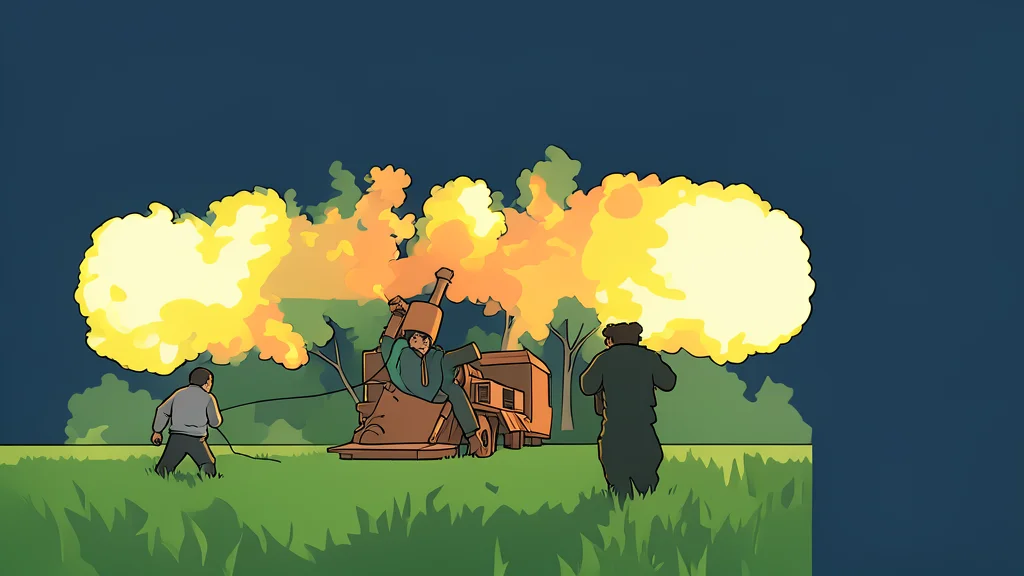
Dutch riot police intervened on Saturday to disperse a violent demonstration in The Hague, where approximately 500 far-right protesters confronted law enforcement with projectiles and fireworks. According to reports from Al Jazeera English, the confrontation in the city center escalated quickly, prompting authorities to deploy batons, police dogs, and water cannons to end the gathering. Local officials cited continued violence as the primary reason for terminating the event, which had been organized under the slogan 'We are the people' to oppose government immigration and asylum policies.
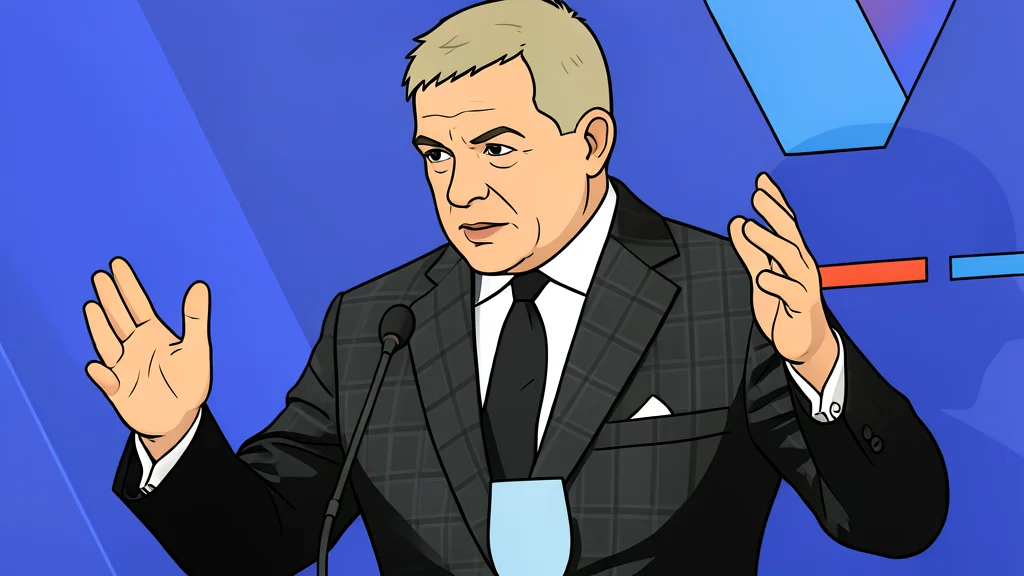
The incident resulted in 24 arrests, with police indicating that further investigations are currently underway regarding the specific acts of violence and property damage. Prime Minister Rob Jetten addressed the events on social media, stating that the demonstrators deliberately sought confrontation and chanted slogans he described as abhorrent. Justice Minister David van Weel echoed these sentiments, specifically condemning the display of Nazi salutes and antisemitic chants directed at the police line, urging for firm legal action against those responsible.
Government condemnation of violent tactics
Political leaders in the Netherlands reacted swiftly to the scenes at Malieveld park, where the clash took place. Justice Minister Van Weel highlighted the severity of the offenses, noting that the behavior mirrored historical atrocities. He expressed gratitude to police officers for maintaining democratic rule of law amidst the chaos. The government’s stance appears focused on distinguishing between protected protest rights and criminal acts that threaten public safety and social cohesion.
Protesters at the rally, which was organized to protest against mass migration, claimed they were losing their country to demographic shifts. One participant, a 31-year-old mechanic, told the AFP news agency that the situation represented a literal loss of national identity. However, officials noted that the planned march through The Hague was banned by local authorities once violence began, leading to the dispersal of the crowd from the central park area.
Context of recurring civil unrest
Saturday’s unrest marks a year since a similar anti-immigration rally in The Hague ended in significant clashes. During the previous incident, police used water cannons to disperse crowds, and a police vehicle was set on fire. Additionally, the headquarters of the centrist D66 party, currently led by Prime Minister Jetten, were attacked by black-clad protesters. This recurrence suggests a persistent tension in Dutch society regarding immigration policy and the limits of public expression.
Forward-looking security concerns
As investigations continue into the 24 arrests, attention turns to how Dutch authorities will balance the right to protest with the need to prevent violent extremism. The deployment of riot gear and the specific condemnation of antisemitic and Nazi-related symbols indicate a heightened state of vigilance. Observers will watch for any further legal proceedings and whether similar gatherings in other major Dutch cities will be preemptively restricted or monitored more closely by law enforcement.