US Army Awards Major Contract for Ukrainian Raybird Drones
The US Army has secured a $10.6 million deal for Ukrainian-made reconnaissance drones, signaling a continued reliance on battle-tested technology despite recent internal restructuring of drone units.
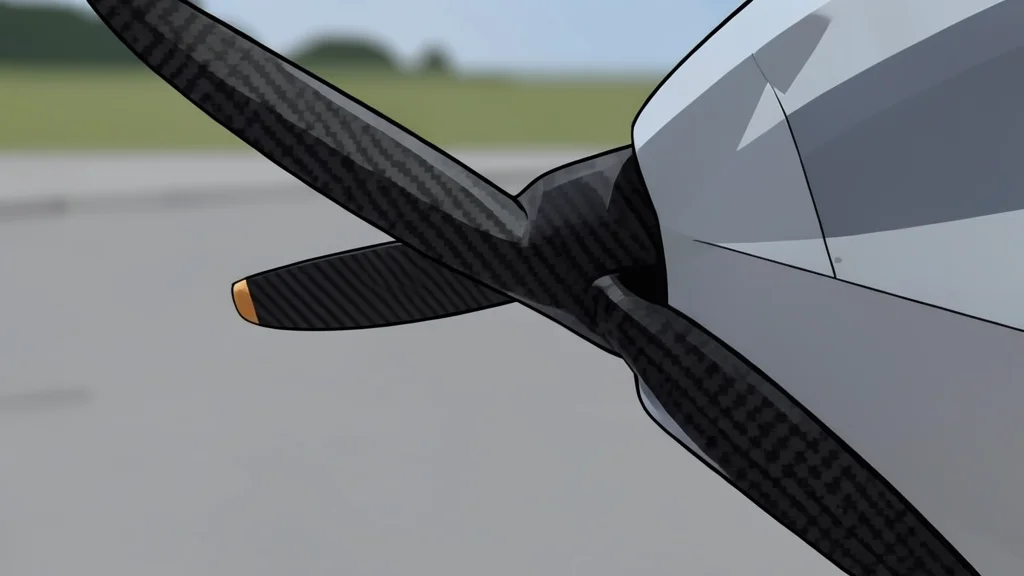
The United States Army has awarded a $10.64 million contract to Skyeton Inc., the American affiliate of the Ukrainian drone manufacturer Skyeton, for the procurement of Raybird reconnaissance systems. According to a statement from the Department of Defense released on September 18, the firm-fixed-price agreement covers both the hardware and associated services, with contract completion scheduled for December 2026. The specific quantity of drones included in the purchase was not disclosed, and operational locations will be determined with each individual order.
The Raybird is a fixed-wing unmanned aerial vehicle originally developed in Ukraine for long-range missions. It has seen extensive use on the battlefield, where its endurance and range have proven critical for reconnaissance operations. This acquisition occurs at a time when Washington is actively evaluating how to integrate lessons learned from the war in Ukraine, particularly regarding the rapid evolution of drone warfare and its impact on modern combat tactics.
Proven Combat Performance Metrics
Skyeton states that the Raybird is capable of remaining airborne for up to 24 hours and traveling distances of up to 2,500 kilometers. The company reports that its systems have logged more than 350,000 combat hours since the start of Russia’s full-scale invasion. Furthermore, Skyeton estimates that intelligence gathered through these drones has contributed to the destruction of billions of dollars worth of Russian military equipment, highlighting the system's tangible impact on operational outcomes.
Operational Challenges and Security Threats
Despite its operational success, the manufacturer has faced significant security threats. A Russian attack on Kyiv in May destroyed Skyeton’s office, although the company maintained that production had already been dispersed across facilities in Ukraine and abroad, allowing deliveries to continue. In August, Slovak police detained three foreign nationals over an alleged plot to sabotage a Skyeton factory in Slovakia. A company representative told the Kyiv Independent that Russian actors have repeatedly attempted to target its production facilities and reputation.
Broader Military Integration Strategy
The contract is part of a broader effort to incorporate Ukrainian battlefield experience into US military doctrine. However, this comes amid recent organizational changes, including the disbanding of a specialized 600-member drone warfare unit within the 173rd Airborne Brigade, a move that drew bipartisan criticism from lawmakers concerned about losing institutional knowledge. Conversely, the Army continues to integrate drone tactics in other areas, such as the Saber Junction exercises in Germany, where US troops utilized nearly 1,900 drones in maneuvers shaped by Ukrainian insights.