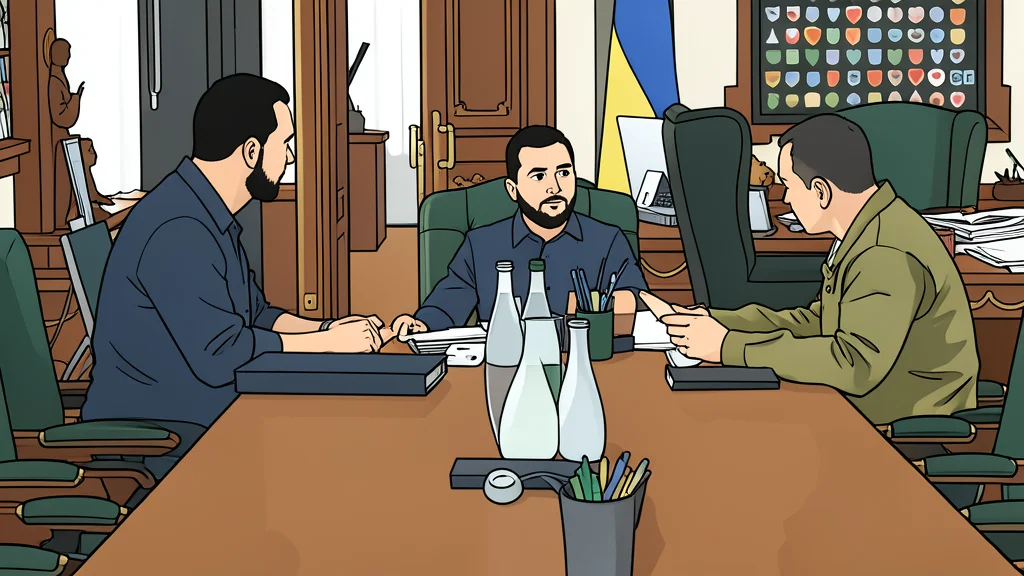
NATO Officials Note Ukraine's Operational Speed
Western military leaders are observing significant gaps in procedural speed between their forces and the Ukrainian army, prompting internal reviews of training and procurement models.
Western military leaders have begun to acknowledge that Ukrainian forces operate with a level of tactical speed that many NATO armies are currently unable to match. This observation, highlighted in recent reports by Business Insider, suggests a fundamental divergence in how modern warfare is being conducted versus how it has traditionally been planned in the West. The gap is not merely logistical but procedural, affecting everything from equipment upgrades to training cycles.
The recognition of these differences is not intended to diminish the technological or structural advantages of Western militaries, but rather to highlight a specific operational reality emerging from the ongoing conflict in Ukraine. For NATO members, this creates a complex dynamic where the pace of war is being dictated by the urgent needs of a frontline state, challenging established bureaucratic rhythms that typically govern defense procurement and modernization.
Divergent timelines in military operations
According to journalists who spoke with Alliance personnel, the primary friction point lies in the speed of execution. Training exercises are currently taking place at Camp Jomsborg in Poland, where NATO soldiers are working alongside Ukrainian troops. Major John, who coordinates parts of this training process, noted that the core difference is temporal. While Western forces are accustomed to long-term planning horizons that allow for extensive deliberation and phased implementation, Ukraine requires immediate results to sustain its defensive and offensive capabilities.
This pressure for immediacy means that Ukrainian soldiers are often sharing practical lessons learned directly on the front lines with their Western counterparts. The exchange is not just theoretical; it involves adapting to the rapid tempo of modern combat where decisions must be made and executed within days, not months. For NATO observers, this presents a stark contrast to their own standard operating procedures, which are designed to minimize risk through careful, extended planning phases.
Procurement challenges in peacetime structures
Norwegian Brigadier General Atle Molde, who commands the exercises, pointed out that the difference in pace extends well beyond training. He emphasized that peacetime regulations governing the procurement and modernization of weapons create daily challenges for armies like his own. In the Western context, bureaucratic procedures and risk assessments are deeply embedded in the military-industrial complex, making rapid changes difficult to implement.
Molde cited drones as a specific example of this disparity. In Western armies, the process for upgrading drone software or hardware can take months due to rigorous testing and approval cycles. In contrast, Ukrainian engineers working near the front lines are able to update software every few days or weeks, based directly on the military’s current needs. This agility is a direct result of the combat environment, which forces a continuous cycle of adaptation and innovation that peacetime structures are not optimized to support.
Reassessing bureaucratic procedures and risks
The experience of the Ukrainian military is prompting Western allies to rethink their own approaches to bureaucratic procedures, risk management, and cooperation with the defense industry. According to GN geopolitics/nato, these discussions are part of a broader reflection on how NATO can maintain relevance and effectiveness in a world where the speed of conflict is accelerating. The ability to act quickly is seen as a critical competency that may need to be integrated into standard Western military doctrine.
However, representatives of Western armies acknowledge that Ukraine’s ability to act more quickly is largely due to the specific conditions of war. The urgency of combat operations creates a sense of necessity that overrides traditional caution. For NATO, the challenge lies in balancing this need for speed with the rigorous standards of safety, interoperability, and accountability that define their professional military structures. The forward question for the Alliance is how to institutionalize this agility without compromising the stability and predictability that member states rely on.