EU and Allies Address Belarus Security Threats at UN

The EU and partners are convening a ministerial side event at the UN to address the cross-border security risks posed by the Belarusian regime.
Key points
- The EU and six partner nations will host a UN side event on September 21, 2026, to address Belarusian security threats.
- The discussion covers hybrid threats like migration pressure, disinformation, and transnational repression of citizens abroad.
- The event highlights Belarus's role in supporting Russia's war against Ukraine through infrastructure and military cooperation.
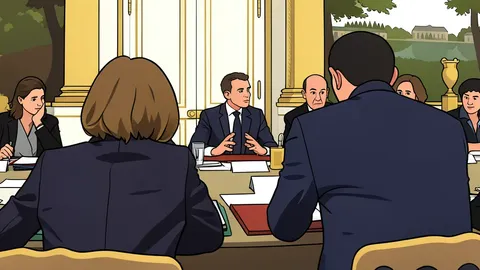
The European Union, joined by Latvia, Estonia, Ireland, Lithuania, Sweden, and Ukraine, will host a ministerial side event on the margins of the United Nations General Assembly high-level week. Scheduled for September 21, 2026, the meeting aims to address the specific security challenges that the Belarusian regime poses to regional stability and international order.
According to the event description, the gathering serves as a platform to examine the evolving implications of Belarusian policies, particularly regarding hybrid threats and the country's continued involvement in the conflict with Ukraine. The participating states intend to call for a coordinated international response to these developments.
Cross-Border Hybrid Threats
The discussion will focus on how Belarusian actions extend beyond its borders through hybrid and sub-conventional means. This includes the instrumentalization of migration at EU external borders, hostile intelligence operations, and the spread of disinformation. The EU highlights that these tactics exploit the human rights guarantees of democratic states for political gain.
Furthermore, the event addresses transnational repression, which involves the intimidation, surveillance, and threats directed at Belarusian citizens, journalists, and activists living abroad. The participating nations view these actions as a deliberate attempt to undermine the international human rights order and disregard obligations under international law.
Role in Conflict With Ukraine
A central theme of the side event is the contribution of Belarus to Russia's war of aggression against Ukraine. The EU asserts that the regime continues to provide territory, infrastructure, and military cooperation that supports the Russian war effort. This sustained involvement is described as a growing challenge to European security and the rules-based international order.
While the release of some political prisoners is noted as a welcome development, the EU maintains that there are no indications of a fundamental shift in the destructive policies of the Lukashenka regime. The ministerial meeting underscores the need for sustained international attention and the strengthening of sanctions to counter these security risks.
Diplomatic Coordination and Response
The agenda includes statements from foreign ministers and high-level officials from the co-sponsoring nations, as well as a briefing by Sviatlana Tsikhanouskaya, leader of the Belarusian democratic forces. According to the event details published on europa.eu, the gathering aims to align diplomatic strategies and emphasize the necessity of effective collective responses to state-sponsored threats.
Looking ahead, the international community will likely monitor whether these discussions lead to new coordinated sanctions or diplomatic initiatives. The focus remains on assessing the capacity of the global order to respond to the hybrid and transnational challenges presented by the Belarusian state.