EU Bank Funds Baltic Naval Hub Near Russian Border
The European Investment Bank has approved a major loan to upgrade a Lithuanian port, signaling a shift in European defense infrastructure priorities.
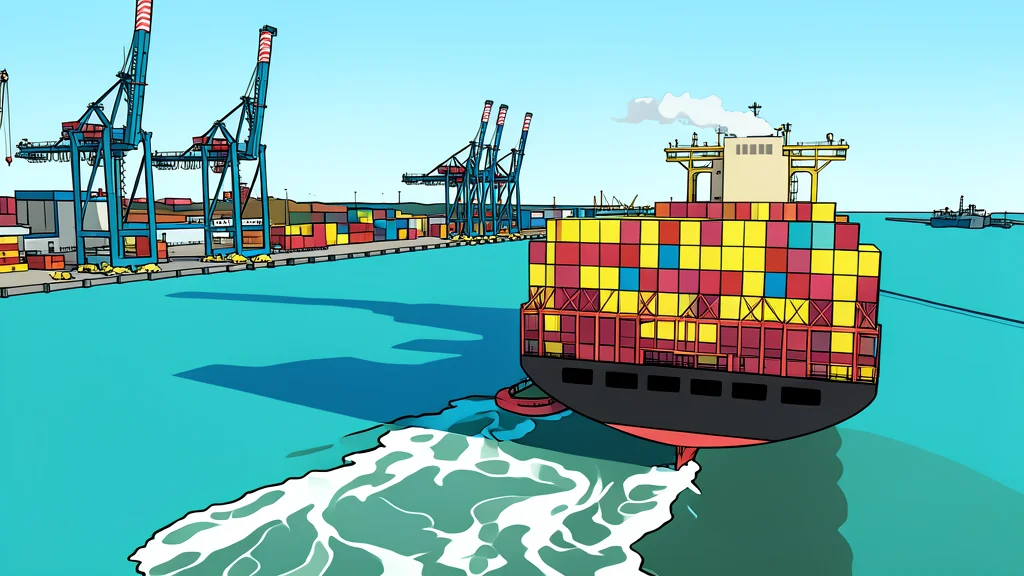
The European Investment Bank has approved a 100 million euro loan to upgrade the port of Klaipeda in Lithuania, explicitly to accommodate NATO naval vessels. This financial commitment, announced on September 15, marks a significant step in integrating military logistics into existing civilian infrastructure along the Baltic Sea. The move underscores a broader European effort to bolster defense capabilities in regions adjacent to Russian territory.
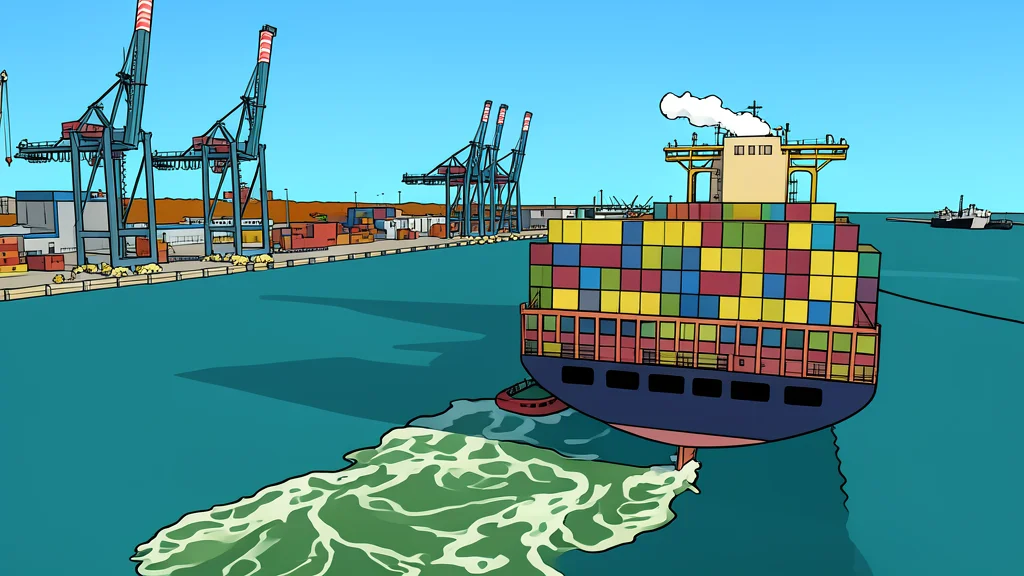
According to Kyiv Independent, the project transforms a civilian cruise terminal into a facility capable of handling military ships. This adaptation is designed to improve the logistical efficiency of defending the alliance’s Eastern Flank. The bank’s vice-president described the initiative as a clear reflection of Europe’s current strategic priorities, highlighting the convergence of economic development and security needs.
Strategic Location Near Kaliningrad
Klaipeda occupies a critical geographic position, situated less than 50 kilometers north of Russia’s Kaliningrad exclave. This proximity places the port at the forefront of potential military flashpoints in the Baltic region. The upgrade aims to ensure that naval assets can be rapidly deployed and supported in this sensitive area, reducing the time required for mobilization in a potential conflict scenario.
The port is also a key node in the European Union’s Trans-European Transport Network, a framework designed to enhance the movement of both civilian and military goods across the continent. By linking commercial maritime routes with defense capabilities, the EU seeks to create a dual-use infrastructure that supports economic stability while maintaining a robust security posture.
Broader Defense Infrastructure Goals
This funding is part of a wider shift in the EIB’s portfolio, which has expanded since 2025 to include defense-related projects and continued support for Ukraine. The bank is increasingly acting as a financial engine for Europe’s security architecture, bridging the gap between traditional development lending and military preparedness. This approach reflects a growing consensus that economic resilience and defense readiness are inextricably linked.
However, the integration of military logistics into EU infrastructure is not without challenges. Delays in related projects, such as the Rail Baltica corridor connecting the Baltic capitals, highlight the complexities of coordinating cross-border infrastructure. These hurdles underscore the difficulty of achieving seamless mobility for troops and equipment across multiple sovereign states.
Ongoing Legislative Debates
In Brussels, policymakers are currently negotiating a new law on military mobility, aiming to remove national-level barriers that hinder the rapid movement of forces. The debate includes contentious issues regarding Ukraine’s role, both as a recipient of aid and as a prospective member state. How these legislative frameworks evolve will determine the speed and effectiveness of Europe’s collective defense mechanisms.
The Klaipeda project, with a total cost of 201 million euros, relies on a mix of EIB lending and national contributions. Its completion will serve as a test case for the broader strategy of hardening European borders. Observers will likely watch for similar initiatives in other eastern EU states as the continent continues to redefine its security architecture in response to shifting geopolitical dynamics.