EU Bank Funds Baltic Port Upgrades for NATO Logistics
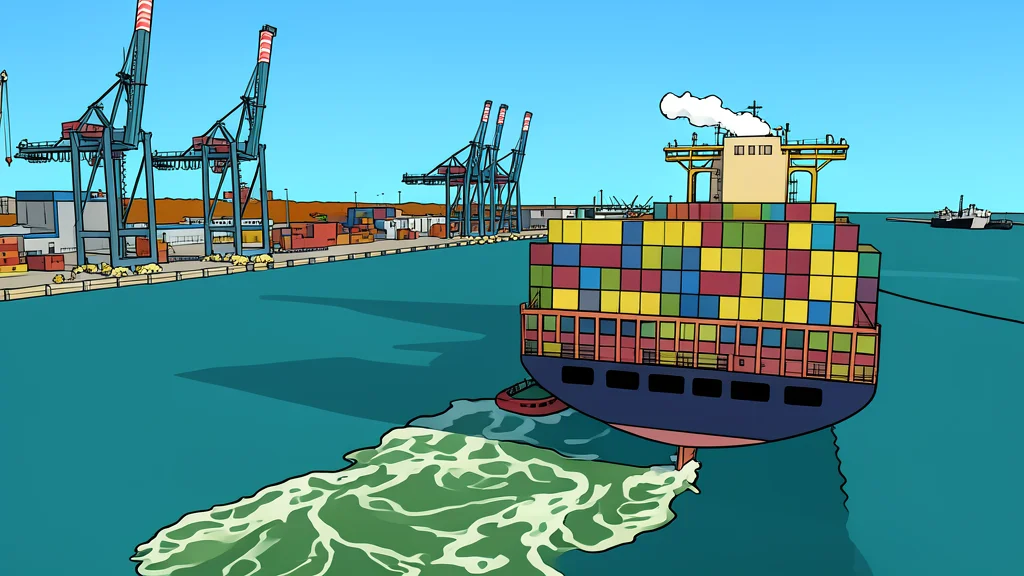
The European Investment Bank has approved a major loan to adapt the Lithuanian port of Klaipeda for military use, aiming to enhance naval logistics along the alliance's eastern flank amidst ongoing geopolitical tensions.
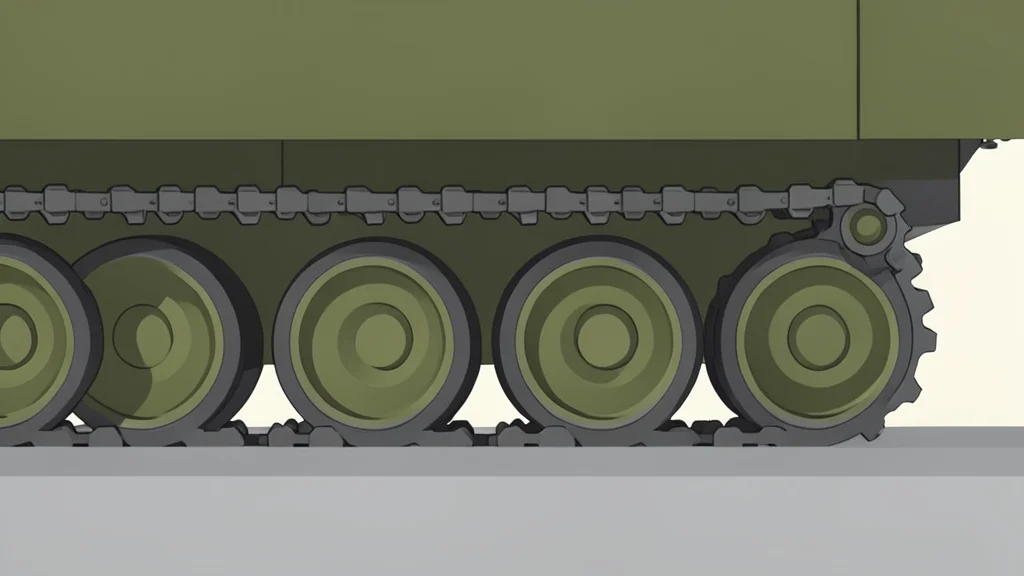
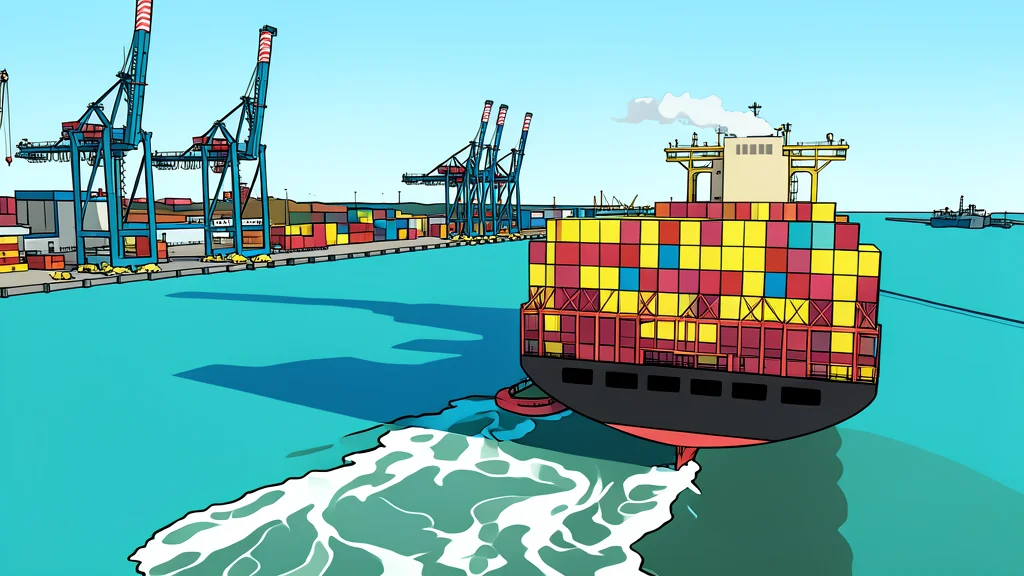
The European Investment Bank has approved a 100 million euro loan to upgrade the port infrastructure in Klaipeda, Lithuania. According to the bank, this funding is designed to modify the civilian cruise terminal so that it can accommodate NATO naval vessels. The initiative is part of a broader effort to strengthen the defense capabilities of the continent's eastern border.
Klaipeda is located on the Baltic Sea coast, just over 50 kilometers north of Russia's Kaliningrad exclave. Its strategic position makes it a critical node for potential military logistics in the region. The EIB, which serves as the lending arm of the European Union, has expanded its portfolio in recent years to support defense modernization and continued aid to Ukraine.
Strategic positioning near Kaliningrad
The port's proximity to the Russian exclave has long been a focal point for regional security discussions. By adapting the facility for military use, Brussels aims to improve the speed and efficiency of troop and equipment movement. EIB Vice-President Karl Nehammer described the project as a clear illustration of Europe's current priorities, emphasizing the need for robust infrastructure that supports both civilian and defense needs.
Klaipeda is already part of the EU's Trans-European Transport Network, which identifies key routes for strategic mobility. The upcoming upgrades are intended to integrate this civilian infrastructure more closely with military logistics plans. This dual-use approach allows the port to serve commercial traffic while remaining ready for rapid deployment if required.
Broader EU defense infrastructure goals
This financing is one component of a larger set of projects aimed at improving continental mobility by 2030. However, progress in other areas has faced challenges. The Rail Baltica project, which seeks to connect Tallinn and Vilnius with other Baltic capitals, has experienced significant delays according to recent reports. These setbacks highlight the complex logistical hurdles involved in unifying transport networks across diverse national jurisdictions.
Simultaneously, negotiations in Brussels continue regarding a new law on military mobility. This legislation aims to remove national-level obstacles that currently slow down the movement of forces across the continent. Debates surrounding this law often center on the role of Ukraine, both as a recipient of support and as a potential future member state, adding another layer of complexity to the discussions.
Funding sources and project costs
The total cost for the Klaipeda port adaptation is estimated at 201 million euros. The EIB loan covers nearly half of this amount, with the remainder expected to come from a combination of EU funds and national contributions from Lithuania. This shared financial model reflects the broader European commitment to collective security and infrastructure resilience.
As the project moves forward, attention will turn to the implementation timeline and its integration with existing NATO logistics frameworks. The success of this initiative could serve as a model for similar dual-use infrastructure projects across the alliance, potentially influencing future investment decisions in other strategic locations.