EU Proposes Strict Age Limits for Social Media
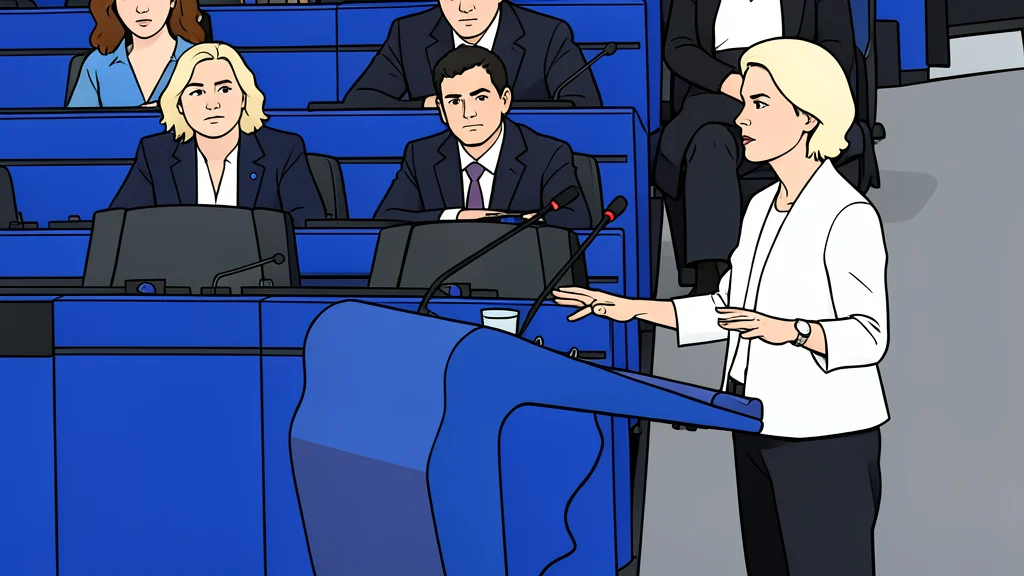
The European Commission has introduced a plan to ban under-13s from major platforms and restrict addictive design features, sparking debate over privacy and enforcement.
European leaders have moved to impose stricter age restrictions on popular social media platforms, aiming to shield younger users from potential digital harms. According to Deutsche Welle, the European Commission’s latest initiative seeks to prevent children under the age of 13 from accessing services such as Facebook, TikTok, and Instagram. This regulatory step marks a significant shift in how the bloc approaches digital safety for minors.
Commission President Ursula von der Leyen emphasized that current digital environments were not designed with the well-being of young people in mind. She argued that clear boundaries are necessary in the digital world, mirroring the protections society offers in physical spaces. The proposal aligns with a growing global trend, as nations including Australia, the United Kingdom, and China have introduced similar age-based restrictions in recent years.
Industry Warns of Privacy Risks
The technology sector has raised concerns about the practical implications of verifying user ages. CCIA Europe, which represents major tech firms, warned that collecting detailed identity data for millions of young users could create significant security vulnerabilities. Daniel Friedlaender, the organization’s director, suggested that such large-scale data collection might inadvertently create attractive targets for cybercriminals seeking to exploit personal information.
Critics also point to potential conflicts with existing European privacy laws. They argue that the new requirements could lead to regulatory duplication, which might weaken overall consumer protections rather than strengthening them. The debate highlights the tension between robust age verification and the privacy rights of individuals, particularly minors.
Targeting Addictive Design Features
Beyond age limits, the proposal aims to curb features often criticized for encouraging excessive usage. The draft legislation would ban infinite scrolling and autoplay content, mechanisms that keep users engaged for longer periods. It also seeks to restrict algorithm-driven recommendations and personalized profiling, which currently tailor content to individual preferences in ways that can be difficult for young users to understand or control.
Platforms would be required to implement child-safe designs and provide easy-to-use parental controls for users aged 13 to 15. These measures are intended to give families more agency over their children’s online experiences. The initiative also calls for stricter rules on unsolicited contact from strangers, addressing a long-standing concern regarding online safety.
Potential Penalties for Non-Compliance
The European Commission has outlined significant financial consequences for companies that fail to adhere to the new standards. Fines could reach up to six percent of a company’s global annual revenue, a figure intended to ensure serious compliance efforts. Additionally, major technology firms would be required to dedicate more resources to content supervision and moderation to protect younger users.
The proposal is now set for debate among EU member states and the European Parliament in the coming months. The outcome will depend on how legislators balance the need for robust protection with the technical and privacy challenges identified by industry stakeholders. Observers will watch closely to see if the final legislation maintains the proposed severity of penalties and the scope of banned features.