European Leaders Convene on Arctic Security and Climate Shifts
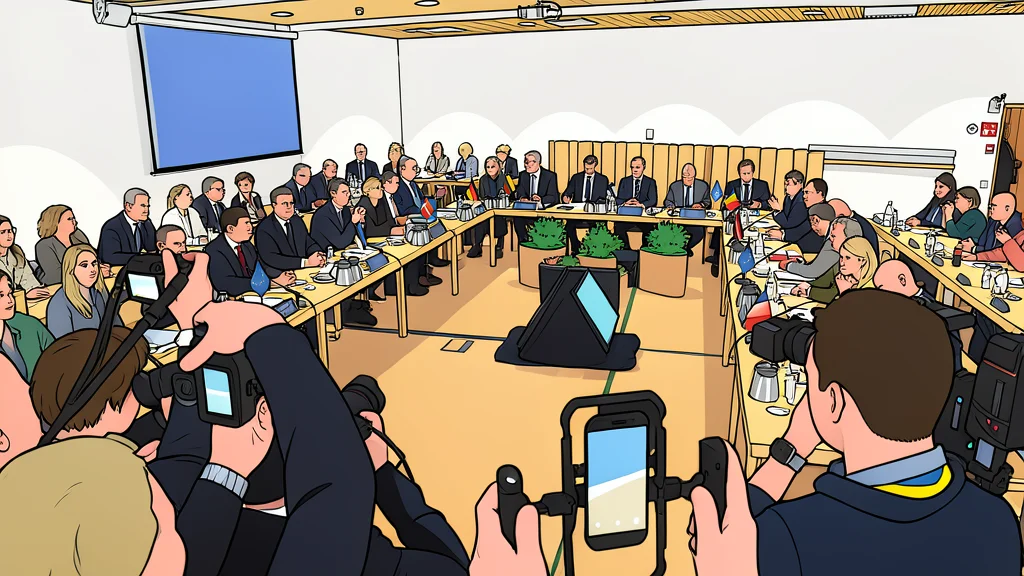
In Rovaniemi, Nordic and Baltic leaders convened to address the strategic pivot toward the Arctic, balancing economic opportunities from melting ice against heightened military tensions with Russia.
European leaders gathered in Rovaniemi, Finland, to address the rapidly shifting strategic landscape of the Arctic. The summit, primarily attended by representatives from Nordic and Baltic states, focused on the intersection of climate change, economic opportunity, and military security. As global warming thins the region's ice, new shipping routes are emerging, while simultaneously raising concerns about a significant Russian military buildup in the area.
German Chancellor Friedrich Merz emphasized that the region has become a critical geopolitical hotspot, stating that previous periods of relative neglect must end. According to Merz, Russia is actively enhancing its military capabilities and utilizing the area for hybrid activities, necessitating a new European focus that complements existing NATO efforts. Finnish Prime Minister Petteri Orpo echoed these sentiments, describing the Arctic as the central arena for great power competition and calling for concrete action from the European Union.
Strategic Context for European Policy
The meeting serves as a preparatory step for a major overhaul of the EU’s Arctic policy, expected to be released later this year. Security is set to take a central place in this strategy for the first time. The gathering follows recent escalations, including a Norwegian seizure of a Russian vessel in Svalbard at Ukraine’s request, which drew sharp condemnation from Moscow. This incident underscores the volatile environment in which European nations must now operate.
Analysts at the Centres for European Policy Network have described the backdrop for this summit as extremely dynamic. Factors cited include accelerating climate change, increased Chinese trade through Arctic routes, and geopolitical shifts related to the Strait of Hormuz. These developments have heightened the importance of the Northeast Passage for maritime shipments, further intensifying competition for access to the region's vast mineral resources.
Climate and Economic Implications
Beyond military concerns, the summit addressed the economic opportunities presented by a changing climate. The thinning of Arctic ice is making shipping routes increasingly accessible, which could reshape global trade patterns. However, this accessibility also reignites competition among nations, including Russia and China, for control over the area's natural resources. European leaders seek to balance these economic gains with robust environmental protections and security measures.
The issue of Greenland also featured prominently in discussions regarding European sovereignty and external pressures. Following persistent pressure from U.S. President Donald Trump to incorporate the territory into the United States, European Commission President Ursula von der Leyen announced a package of support for Greenland. According to reports, this includes 200 million euros in funding over the next two years aimed at climate adaptation, infrastructure improvement, and educational development in the self-governing territory.
Deterrence and Future Cooperation
In a related development, Finnish President Alexander Stubb announced that Finland is joining France’s forward deterrence program. This initiative aims to leverage the French nuclear arsenal to bolster European defense capabilities. With ten countries now participating, including Britain, Germany, and other Nordic neighbors, this move signals a deeper integration of defense strategies among European states in response to evolving security threats.
As the summit concludes, attention turns to the upcoming revision of EU Arctic policy and the implementation of new defense frameworks. The coming months will be critical for observing how European nations coordinate their responses to Russian activities and how they manage the complex interplay of climate, commerce, and security in the High North.