Turkey Intensifies Crackdown on LGBTI+ Rights and Press
Turkish authorities have launched a sweeping campaign of arrests against LGBTI+ activists and journalists, prompting urgent calls for international intervention and raising questions about the future of civil liberties in the region.
Turkey has entered a new phase of tension regarding civil liberties, with authorities launching a coordinated series of arrests targeting LGBTI+ rights defenders, journalists, and legal professionals. According to reports from GN geopolitics/rights (en-US), the operations began in mid-September and have expanded to include digital restrictions and criminal investigations across multiple cities. The government frames these measures as part of a broader initiative to protect family values, a stance that critics argue is being used to suppress legitimate advocacy and dissent.
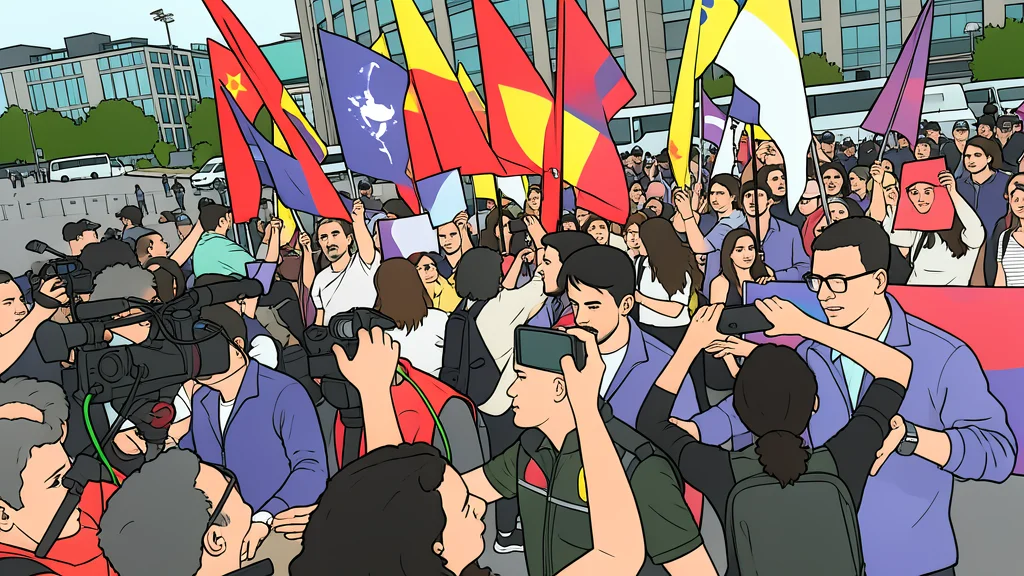
The situation escalated significantly when police detained dozens of peaceful demonstrators outside an Istanbul courthouse. The protesters were gathering to oppose the recent wave of raids and to demand the release of those already in custody. International news agencies noted that the arrests took place despite the demonstrators’ peaceful intentions, with police citing the gathering as illegal before moving to detain participants. This move has drawn sharp criticism from human rights organizations, who describe the actions as a disproportionate response to protected speech and assembly.
Legal Challenges and Detentions
Activists report that the crackdown extends beyond street-level protests to include targeted operations in homes and private establishments. Charges cited in these arrests include vague allegations of obscenity and assisting prostitution, as well as accusations of having financial links abroad. These legal maneuvers appear designed to delegitimize the community’s organizational infrastructure. Lawyers and human rights defenders have been among those detained, suggesting a broad scope for the judicial actions currently underway.
The involvement of the press in the crackdown has added another layer of concern. Journalists from both domestic and international media outlets were detained while covering the events, leading professional bodies to condemn the criminalization of their work. The blocking of social media accounts belonging to rights defenders further complicates the ability of these groups to communicate with the public and coordinate their efforts. This combination of physical detention and digital suppression creates a challenging environment for advocacy.
International Reactions and Diplomatic Pressure
The European Union has voiced clear concern over the developments, urging Ankara to ensure respect for human rights and to refrain from using the judicial system to punish individuals based on their sexual orientation. Opposition parties within Turkey have also criticized the government’s approach, with some linking the repression to broader political dynamics and peace processes. The consistent message from external observers is that the current actions undermine fundamental rights and international norms.
In response to the pressure, Turkish authorities have maintained a firm stance. The Justice Minister has vowed to continue the campaign, dismissing international concerns as unwarranted interference. The government asserts that its actions are necessary to uphold public order and social values. This divergence in perspective highlights the deepening rift between the Turkish state and international human rights standards, particularly regarding the treatment of minority groups and freedom of expression.
Future Outlook for Civil Society
As the situation remains fluid, the focus now shifts to the potential for sustained international engagement. Activists are seeking to build a broader coalition of support, aiming to amplify their voices through global networks. The coming weeks will likely see increased diplomatic dialogue, with observers watching for any signs of de-escalation or further escalation. The resilience of civil society groups in the face of such pressure will be a key indicator of the long-term trajectory of rights protection in Turkey.