European Strategy Amid Nexperia Dispute
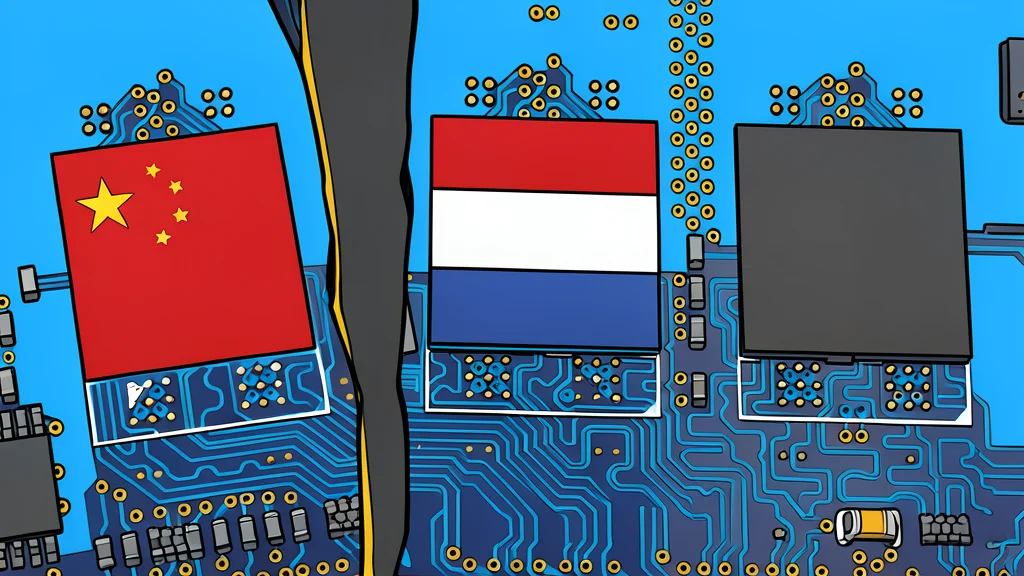
Recent diplomatic exchanges between The Hague and Beijing highlight a complex resolution to the Nexperia conflict, raising questions about the true nature of Europe's economic security posture.
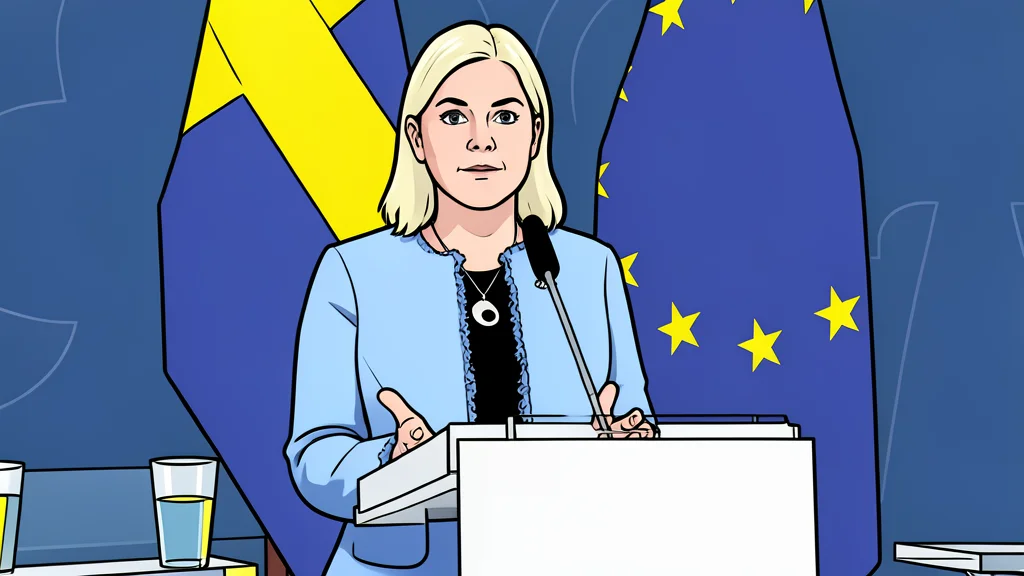
The recent meeting between Dutch Trade Minister Sjoerd Sjoerdsma and Chinese Commerce Minister Wang Wentao in July 2026 was marked by a notably cordial tone. This diplomatic warmth stands in contrast to the intense friction that characterized the autumn of 2025, when tensions flared over the semiconductor firm Nexperia. According to The Diplomat, the new Dutch government has signaled a clear desire to repair relations with Beijing, suggesting a shift away from the confrontational stance that previously defined the dispute.
Despite the public narrative often characterizing the incident as a failure, analysts suggest the intervention was a comparatively successful exercise in economic security. The core issue was the hollowing out of a critical automotive chip manufacturer by its Chinese owners, Wingtech. While the situation remains unresolved, the European business unit was preserved. However, a combination of media misinterpretations, factual distortions from Beijing, and perceived amateurism in Dutch ministerial handling risks leading Europe to draw incorrect conclusions about how to manage such strategic assets.
Strategic Context of the Dispute
The conflict over Nexperia is part of a broader pattern of interventions that lacked sufficient force to alter the overall trajectory of corporate ownership. The company, originally spun off from NXP Semiconductors, was sold to Chinese state-backed funds in 2017 before being acquired by Wingtech in a closed auction. At the time, Chinese investment was viewed favorably, and the strategic importance of the firm to European supply chains was not fully appreciated. This lack of foresight allowed a gradual shift in control, with former executives later alleging that Wingtech’s leadership intended to integrate Nexperia into the Chinese corporate structure from the outset.
The situation only reached a critical point when the choice was between taking decisive action or losing the asset entirely. The Dutch government’s intervention was a reactive measure to halt the erosion of the company’s independence. While the minister’s actions could have been better planned, the move was necessary to protect a vital component of the automotive industry. The challenge for Europe now is to accept that any victory in such disputes will likely be partial, requiring a willingness to absorb short-term costs imposed by Beijing in order to avoid long-term strategic losses.
Complex Legal and Diplomatic Realities
The current status of the company is defined by a split existence. Wingtech claims that Nexperia China is now an independent producer, while the European arm expects supply shortages to ease by the end of the year. China’s position of power makes a complete separation of the company appear unavoidable. Simultaneously, legal proceedings are ongoing, with Wingtech pursuing an arbitration procedure against the Dutch state, alleging improper expropriation, even as court cases regarding management control continue.
Beijing’s approach during the crisis followed a familiar pattern of escalating pressure to force the other side to de-escalate. The Dutch government acted on the back foot, responding to a clear threat to economic security. The outcome reflects a compromise where the immediate threat to the European business was neutralized, but the broader structural issues of ownership and control remain contested. This underscores the difficulty of enforcing economic security measures in a globalized market where supply chains are deeply intertwined.
Implications for European Policy
The lessons from the Nexperia case extend beyond a single corporate dispute. They highlight the need for Europe to develop a more robust framework for identifying and protecting critical assets before they fall under foreign control. The incident reveals gaps in intelligence gathering and strategic foresight, as questions raised by Dutch intelligence agencies in 2019 did not lead to preventive action. Moving forward, European policymakers must weigh the disproportionate short-term costs of intervention against the certainty of long-term loss if inaction is chosen.
As negotiations continue and legal battles unfold, the focus will remain on how effectively Europe can maintain its strategic autonomy without triggering broader economic retaliation. The path forward requires a nuanced understanding of the limits of state power in the private sector and a realistic assessment of what constitutes a successful intervention in the realm of economic security.