France Energy Strike Impacts Dunkirk Gas Terminal Capacity
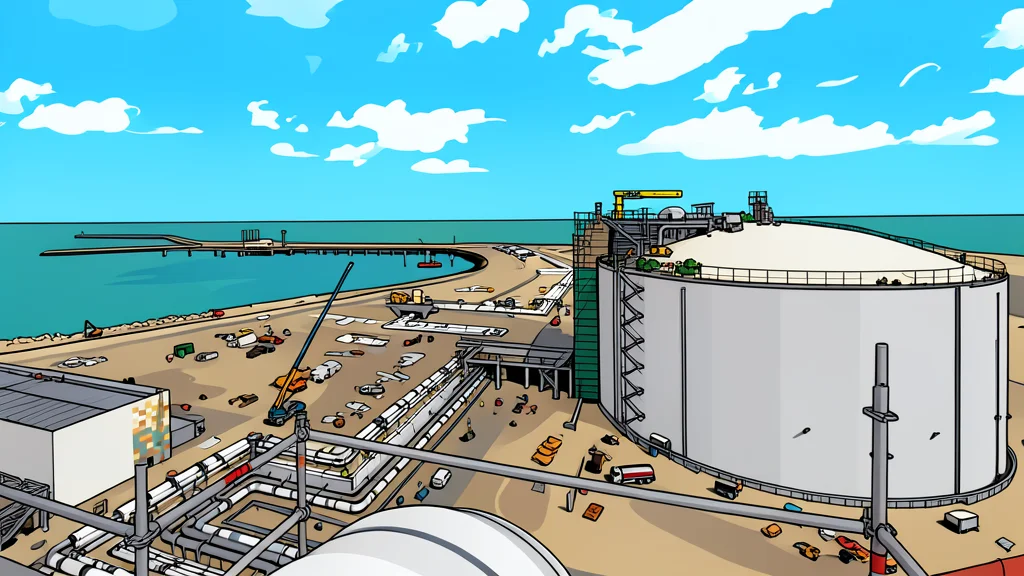
A 24-hour industrial action in the French energy sector has temporarily reduced output at the Dunkirk LNG terminal, affecting delivery capacity during a critical period for European gas storage.
Industrial action in France’s energy sector temporarily reduced the delivery capacity of the Dunkirk liquefied natural gas terminal on Tuesday. According to data from Fluxys, the facility’s output was limited to four gigawatt-hours per day, a significant drop from its normal minimum delivery of 9.4 gigawatt-hours. The disruption coincides with a broader effort across Europe to refill gas storage facilities ahead of the winter season.
Unions representing workers at state-owned nuclear operator EDF, Belgian terminal operator Fluxys, and French gas terminal operator Elengy organized the 24-hour strike. The protest was directed against a recommendation from the French Court of Auditors to curb certain employee benefits, specifically the access to discounted rates for gas and electricity. Union representatives view these reduced tariffs as a core component of their compensation packages for both active workers and retirees.
Disruption limited to sendout operations
Analysts indicate that the immediate impact of the strike is confined to the sendout ability of the terminal. Dzmitry Dauhalevich, an LSEG analyst, noted that no new gas cargoes were scheduled to arrive at Dunkirk during the stoppage, and there was no evidence of vessels being redirected to alternative ports. This suggests that the supply chain for inbound shipments remained intact, with the bottleneck occurring solely at the point of distribution to the grid.
Elengy confirmed that other major French facilities remained operational. A spokesperson stated that there were no disruptions at the two terminals in Fos or the Montoir terminal. This localized nature of the strike means that while the Dunkirk site faced reduced capacity, the broader French gas infrastructure continued to function without major interruptions.
Context within European storage targets
The timing of the industrial action adds complexity to the continent’s energy security efforts. France is one of Europe’s largest exporters of gas, and its infrastructure plays a vital role in the regional supply chain. The strike occurs as Germany and other gas-reliant nations work to meet European Union storage targets, which have been a source of concern due to lagging fill rates in some member states.
According to EDF data, the strike also had a tangible effect on the electricity grid. Approximately 6.5 gigawatts of electricity generation capacity were taken offline overnight on Monday. This reduction in power supply underscores the interconnectedness of the gas and electricity markets in France, where gas-fired plants serve as a crucial backup to the nuclear-dominated grid.
Forward look on labor relations
The dispute highlights ongoing tensions between public sector employees and regulatory bodies regarding the scope of employee benefits. While the 24-hour strike has concluded, the underlying disagreement over the Court of Auditors' recommendations remains unresolved. Observers will watch for further industrial action if negotiations over the discount schemes fail to reach a compromise in the coming weeks.