Coale Returns to Minsk for Prisoner Sanctions Talks
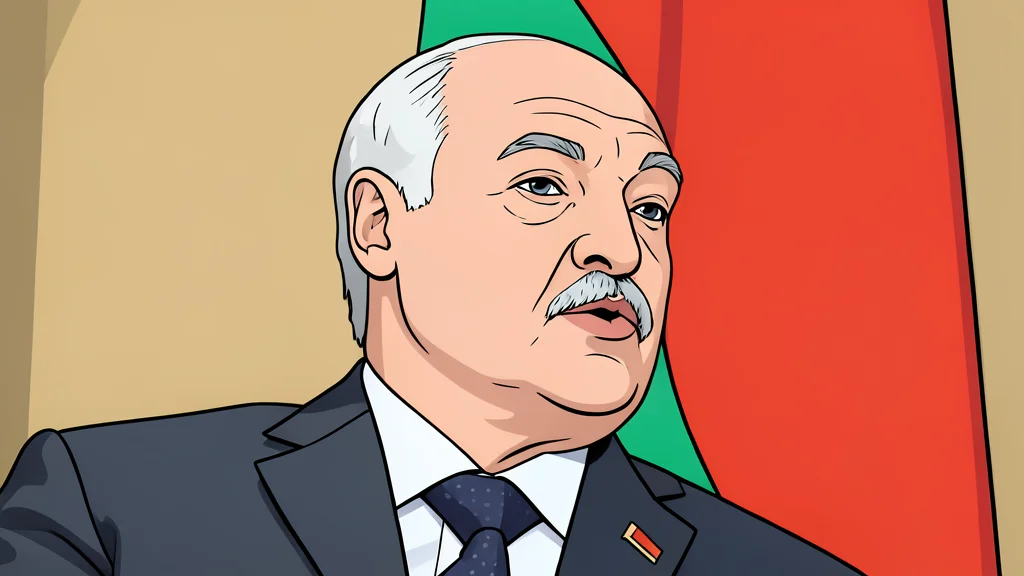
The U.S. envoy resumes negotiations with Belarusian leadership, seeking to exchange further prisoner releases for sanctions relief amidst ongoing human rights scrutiny.
John Coale, the special envoy appointed by President Donald Trump to negotiate the release of political prisoners in Belarus, has returned to Minsk for his first round of talks with President Alexander Lukashenko in six months. The U.S. diplomat arrived Tuesday for a meeting that marks a continuation of a diplomatic track initiated last year, which has reportedly resulted in the freedom of hundreds of detainees in exchange for an easing of American economic restrictions.
According to reports from GN geopolitics/rights (en-US), the administration in Minsk confirmed the arrival through official channels, publishing imagery of Coale’s entrance to the negotiation venue. While previous rounds of these discussions have yielded tangible results in terms of individual releases, the broader context remains tense. Human rights organizations continue to report that the state still holds significant numbers of individuals they classify as political prisoners, a designation the Belarusian government firmly rejects, labeling them instead as criminals or bandits.
Humanitarian Gains Amidst Persistent Repression
Exiled opposition figures and rights campaigners view these negotiations as a critical humanitarian intervention, yet they warn that the underlying structure of state control remains intact. Ales Bialiatski, a prominent human rights campaigner who was himself released and deported last year, described the process as a transactional exchange rather than a shift in governance. He noted that while individual freedoms are being secured, the machinery of repression continues to operate, with new arrests frequently reported to replace those who are freed.
This perspective aligns with recent findings by United Nations experts, who stated on Tuesday that they had identified systematic violations of international human rights obligations in Belarus. Their assessment covered every stage of the judicial process, from initial arrest through detention, conviction, and post-release supervision. Specific concerns cited include arbitrary detention, allegations of torture, the denial of legal safeguards, and the conduct of closed trials, indicating that the legal framework remains a tool of political control rather than justice.
International Scrutiny and Diplomatic Stakes
The diplomatic engagement occurs against a backdrop of intensifying international scrutiny. The Belarusian mission to the Geneva-based U.N. Human Rights Council did not immediately respond to requests for comment regarding the latest UN findings. Meanwhile, the strategic relationship between Minsk and Moscow, with Lukashenko acting as a close ally of Russian President Vladimir Putin, adds a layer of complexity to any Western-led diplomatic initiative. The outcome of these talks will likely be viewed as a test of whether sanctions relief can be effectively leveraged to alter domestic human rights practices.
Observing Future Negotiation Outcomes
As the talks proceed, observers are watching closely for concrete announcements regarding additional prisoner releases. The key question remains whether this diplomatic channel can sustain momentum beyond individual cases. Analysts suggest that the coming days will reveal if the current framework of exchanging sanctions for freedom is viewed as a viable long-term strategy or if it remains a limited, case-by-case negotiation that fails to address the systemic issues cited by international bodies.