German General Selected as Next NATO Military Committee Chair
NATO defense chiefs have appointed a German general to lead the alliance’s military committee, marking a shift in senior military leadership within the Euro-Atlantic structure.
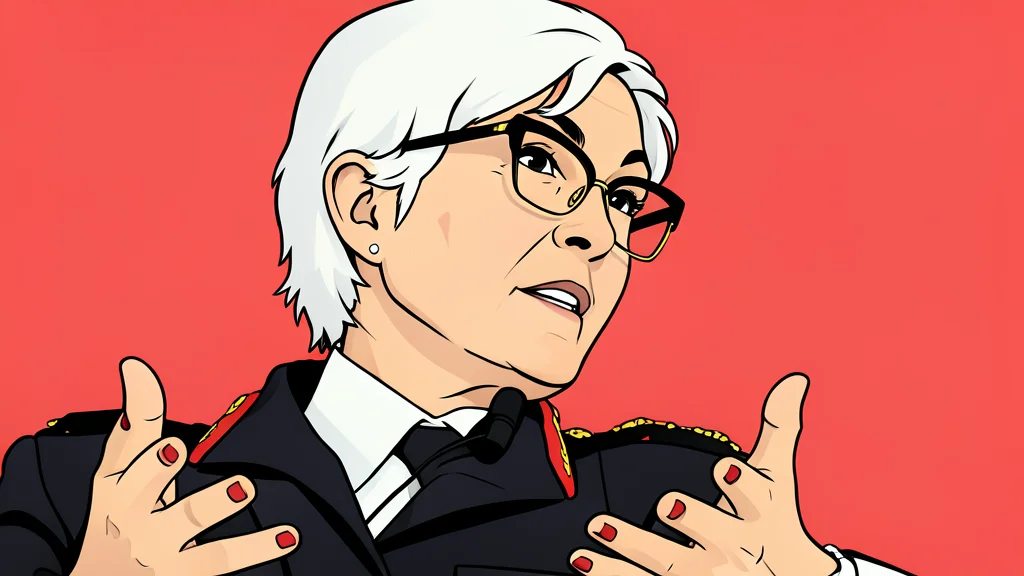
NATO chiefs of defence gathered in Copenhagen on Saturday to select the next chair of the alliance’s military committee. The group elected German General Carsten Breuer to the role, ending a competitive process that included a strong candidacy from Canada’s Chief of the Defence Staff, General Jennie Carignan. According to reports from GN geopolitics/nato, the decision reflects a strategic preference for the German officer’s extensive experience and leadership of his nation’s armed forces.
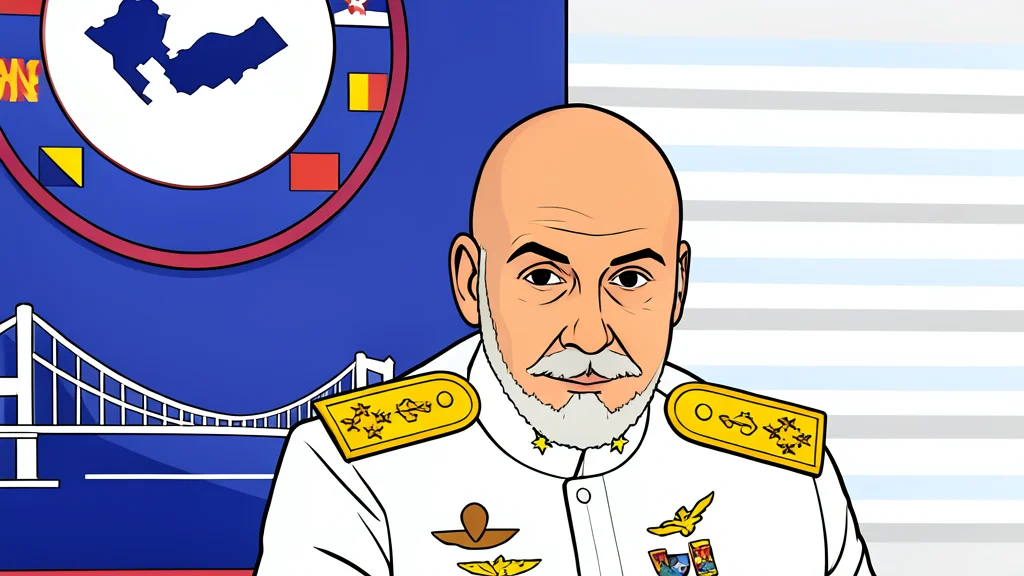
While the position carries significant prestige within the alliance, it does not hold the same operational command authority as the Supreme Allied Commander, a role traditionally held by an American general. The current chair, Italian Admiral Giuseppe Cavo Dragone, is set to leave his post next year. In a public statement, Dragone praised the incoming chair, noting that Breuer’s operational judgment and deep familiarity with NATO structures would serve the alliance well during a demanding period for Euro-Atlantic security.
Canada’s Candidacy and Diplomatic Response
General Carignan’s participation marked a notable moment for Canadian military leadership, as she would have been the first woman to hold this position had she been elected. Her candidacy required her to step down as the leader of Canada’s military, a role she has occupied since 2024. Despite the outcome, Canadian officials emphasized the country’s continued commitment to the alliance. Defence Minister David McGuinty stated that Canada was proud to nominate Carignan, acknowledging her exceptional leadership and deep commitment to allied collaboration.
Historical Context of the Role
The chairmanship of the NATO Military Committee has historically been held by senior officers from major alliance members, often reflecting the shifting dynamics of European defense capabilities. Only three Canadians have ever served in this capacity, with the most recent tenure occurring during the mid-2000s amid the Afghanistan conflict. The selection process in Copenhagen underscores the ongoing effort to balance national interests within the collective defense framework, ensuring that the leadership remains aligned with the alliance’s evolving strategic priorities.
Forward Look for Alliance Leadership
As General Breuer prepares to assume his duties, observers will watch how he navigates the complex security challenges facing the alliance. The transition period offers a chance to assess the cohesion of NATO’s military command structure. Stakeholders are expected to monitor the integration of new strategic initiatives and the continuity of collaborative efforts with allies, particularly in light of recent geopolitical developments. The coming months will likely reveal the extent to which the new chair can unify member states around shared defense goals.