Germany Campaigns for UN Human Rights Council Return
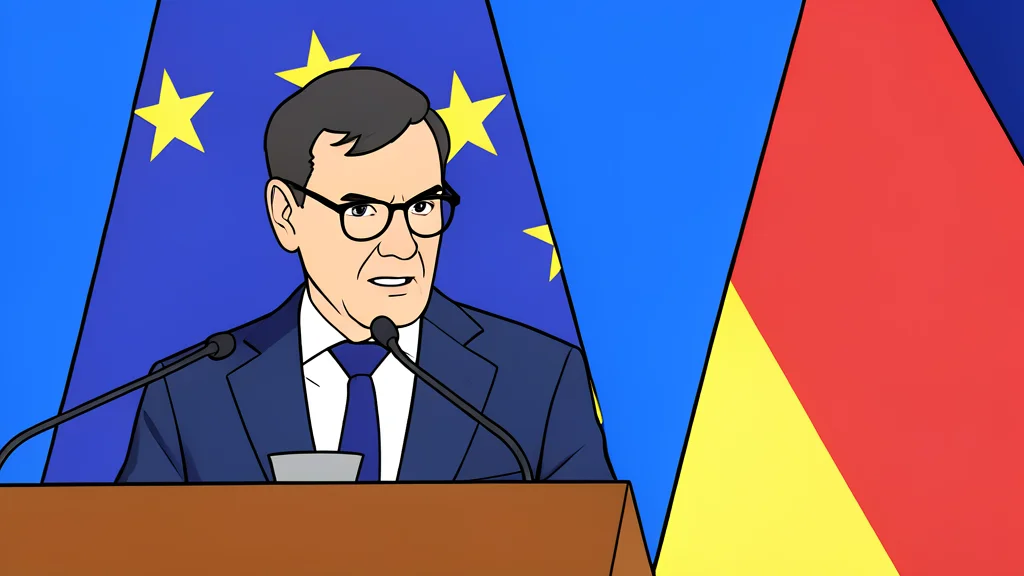
German Foreign Minister Johann Wadephul travels to Geneva to launch a diplomatic push for a seat on the UN Human Rights Council, aiming to restore Berlin's influence in multilateral human rights oversight.
German Foreign Minister Johann Wadephul departs for Geneva this Tuesday to formally launch a campaign for a seat on the United Nations Human Rights Council. The move is part of a broader diplomatic effort to secure a position for Germany for the 2027-2029 term, a role that would see Berlin return to the body after its previous mandate concluded in 2025. According to reports from GN geopolitics/rights (en-US), the visit includes high-level meetings with key international figures, signaling a serious commitment to re-establishing Germany's standing in global human rights governance.
The diplomatic itinerary in Geneva is designed to engage directly with the principal institutions involved in human rights and humanitarian law. Wadephul is scheduled to meet with Mirjana Spoljaric, the head of the International Committee of the Red Cross, and Volker Türk, the UN High Commissioner for Human Rights. Additionally, a discussion with Tedros Ghebreyesus, the head of the World Health Organization, is planned. These interactions aim to align German policy with current international priorities and to demonstrate active participation in the council's work ahead of the upcoming election cycle.
Competitive landscape in Western Europe
Germany faces direct competition in the upcoming vote, which is set for October at UN headquarters in New York. The country is vying against Ireland for one of the two seats allocated to the Western European and Others group. This contest highlights the strategic importance of the Western European bloc in maintaining a cohesive voice within the council. Securing a seat is viewed as essential for Germany to continue influencing international human rights standards and to fulfill its responsibilities as a major donor and advocate for multilateralism.
Context of recent diplomatic setbacks
This campaign comes in the wake of a significant diplomatic loss earlier this year. In early June, Germany’s bid for a non-permanent seat on the UN Security Council was unsuccessful, with Portugal and Austria securing the positions for the EU member states. That outcome triggered a domestic debate regarding the value of Germany’s substantial financial and logistical contributions to the United Nations. The Foreign Office has sought to counter this narrative by emphasizing Germany’s long-standing engagement with the Human Rights Council, noting that the country has served as an elected voting member five times since the body’s establishment twenty years ago.
Strategic importance of multilateral engagement
Officials view the Human Rights Council seat as a critical platform for advancing specific policy goals, including the protection of human rights in conflict zones and the promotion of international humanitarian law. By engaging with the ICRC and the UN Human Rights Office, Germany aims to reinforce its role as a stabilizing force in international affairs. The upcoming months will be crucial for building support among other member states, as the election results in New York will determine the composition of the council for the next three years.