Greenpeace Report Challenges Russian Claims on Zaporizhzhia Plant
A new analysis of satellite imagery disputes Moscow's assertions regarding recent damage to the Zaporizhzhia nuclear facility's power lines, pointing instead to internal sabotage.
Greenpeace has published a report asserting that Russia is deliberately sabotaging the power supply infrastructure of the Zaporizhzhia nuclear power plant while simultaneously launching a disinformation campaign to blame Ukraine. The organization contends that these actions are designed to obscure the genuine safety risks arising from the ongoing military occupation and conflict in southeastern Ukraine.
According to the environmental group, the repeated loss of external electricity at the site is not the result of Ukrainian attacks, as claimed by Moscow. Instead, Greenpeace argues that the disruptions stem from Russian military operations against Ukraine’s broader energy grid and specific sabotage activities at the plant and its associated switchyards.
Satellite Data Contradicts Official Accounts
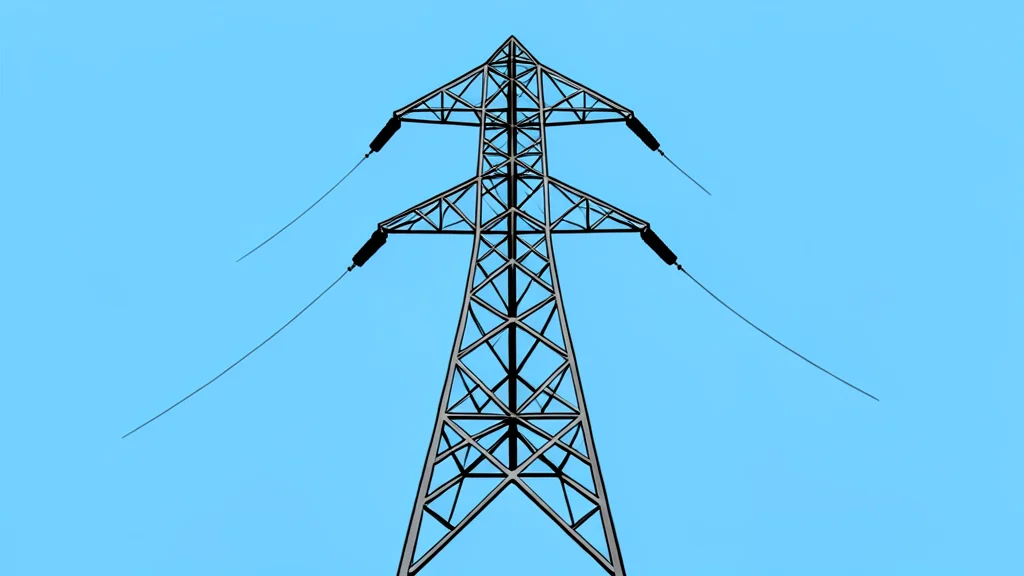
The findings are based on a joint analysis by Greenpeace Ukraine and London-based McKenzie Intelligence Services, which examined satellite imagery provided by Airbus’s defense and space division. The images covered the period from October 2025 to June 2026 and focused on the 330 kV Ferosplavna-1 power line, which is currently the only remaining external power connection for the nuclear facility.
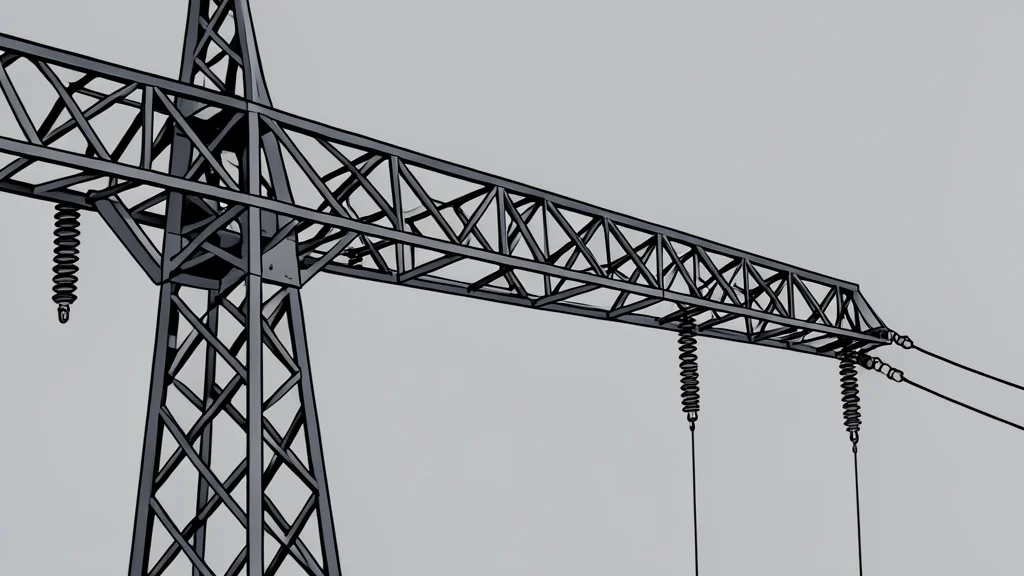
McKenzie Intelligence Services concluded that the physical damage observed on the power line was inconsistent with the effects of artillery fire or drone strikes. Shaun Burnie, a nuclear specialist at Greenpeace Ukraine, noted that artillery impacts typically leave distinct patterns of craters and dispersed debris, none of which were visible in the satellite data. Furthermore, the firm found that damage alleged to be caused by a Ukrainian drone strike in June was already present in images taken prior to that date.
Urgent Safety Concerns at the Plant
The International Atomic Energy Agency has previously emphasized the critical importance of a stable electricity supply for maintaining nuclear safety at Zaporizhzhia. Greenpeace echoed these concerns, stating that reliable power is essential for operating vital reactor safety systems. This includes pumps that circulate cooling water through reactor cores and spent fuel pools, a failure of which could have severe consequences for nuclear security.
By analyzing the timeline and nature of the damage, the report aims to clarify the source of the disruptions. The organization suggests that the narrative promoted by Russian officials serves to distract from the inherent dangers posed by the plant's current operational environment under occupation.
Monitoring Future Infrastructure Integrity
As the situation remains fluid, independent monitoring of the plant’s infrastructure will be crucial. The discrepancy between the physical evidence and official claims highlights the need for continuous, transparent assessment of the site's condition. Stakeholders are watching closely to determine how these findings will influence diplomatic responses and safety protocols in the coming months.
The report underscores the complexities of verifying claims in active conflict zones, where information warfare often accompanies military operations. For now, the focus remains on ensuring the technical integrity of the nuclear facility and understanding the true causes of the power line damage reported by Al Jazeera English and other international observers.