US Memo Redefines Wildlife Protection Under ESA
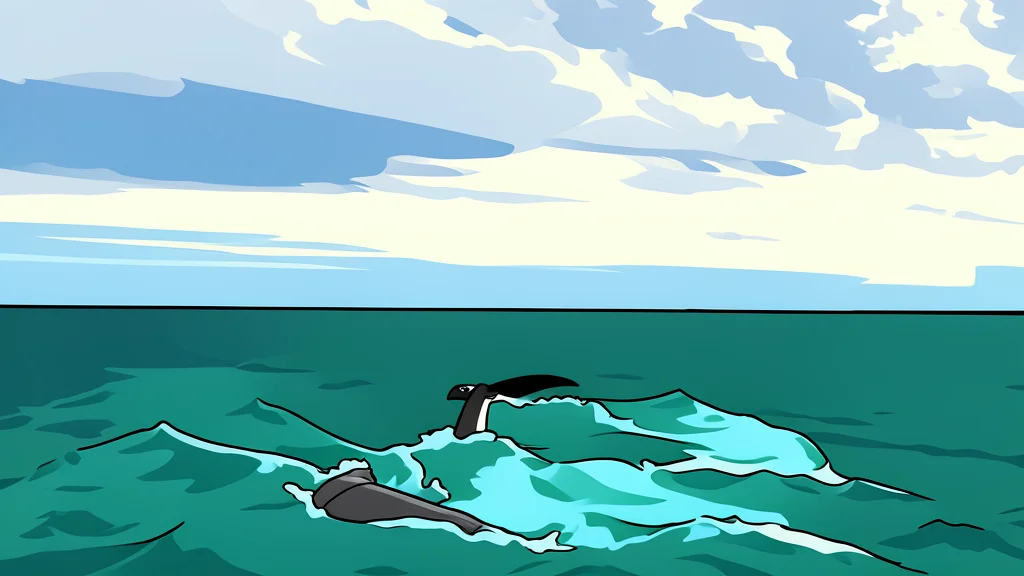
A new interior department memo narrows the legal definition of harming protected species, sparking legal challenges and debate over the balance between conservation and economic activity.
The United States government is moving to narrow the scope of the Endangered Species Act through a new internal memorandum. According to reports confirmed by officials, the Fish and Wildlife Service is reinterpreting the legal term "take" to exclude unintentional harm. This shift means that accidental deaths of protected wildlife resulting from foreseeable activities like commercial fishing or logging may no longer be considered unlawful violations of the landmark 1973 law.
The policy change, signed by Brian Nesvik, director of the Fish and Wildlife Service, represents a significant departure from decades of precedent. Historically, the agency has held individuals and companies liable for accidental harm to species such as grizzly bears and manatees. By limiting liability to only intentional conduct directed at specific animals, the administration is effectively creating a legal exemption for secondary impacts of industrial operations, a move critics describe as a major loophole in environmental protection.
Critics Cite Major Conservation Loophole
Dan Ashe, who previously led the Fish and Wildlife Service, characterized the memo as a rejection of the law's historical intent. He argued to the Associated Press that the new guidance relieves actors of responsibility for predictable consequences of their actions. The Interior Department responded by stating that the memo accurately reflects current guidance following the rescission of the regulatory definition of "harm." Officials emphasized that the act still prohibits intentional harassing, hunting, or killing of protected wildlife, maintaining that the core prohibitions remain intact.
Broader Shifts in Environmental Policy
This memo is part of a broader administrative overhaul of the Endangered Species Act. Last year, the government announced that economic considerations would play a role in decisions about species protections. Interior Secretary Doug Burgum has argued that the current framework has been weaponized to hinder economic projects and national security. Recent actions include halting automatic protections for threatened species and shrinking protected lands in Utah by more than 90% to allow for fossil fuel extraction and mining.
According to Deutsche Welle, these combined changes overturn five decades of interpretation regarding how the law is applied. The administration posits that the previous strictures weakened competitiveness and hurt American interests. By redefining harm to allow drilling and mining in endangered habitats as long as direct injury does not occur, the government is prioritizing industrial access over broad habitat preservation. This approach marks a fundamental shift in the balance between ecological stewardship and resource development.
Legal Challenges From State Officials
In response to these changes, attorneys general from 20 Democratic-led states and Washington, DC, have filed lawsuits against the administration. The legal actions challenge the redefinition of harm, the removal of protections for newly threatened species, and the inclusion of business considerations in critical habitat designations. Washington Attorney General Nick Brown stated that the administration is undermining the will of Congress and the people. He described the government's approach as one of exploitation rather than stewardship, highlighting the deepening conflict between federal policy and state-level environmental priorities.