Health Reports Detail Physical and Psychological Toll of UK Deportations

A recent health service report documents extensive physical injuries and severe psychological distress among asylum seekers returned from the UK to France, raising urgent questions about the implementation of bilateral migration agreements.
Asylum seekers forcibly returned from the United Kingdom to France are arriving with injuries that medical staff describe as consistent with recent physical and psychological violence. A health service commissioned to treat these returnees has documented ninety cases since late January, revealing a pattern of trauma that officials say is directly linked to the enforcement of the current bilateral removal scheme.
The individuals affected are predominantly young men in their twenties and thirties who originally fled conflict zones in Eritrea, Sudan, and Afghanistan. According to reports circulating among humanitarian organizations, the frequency and recurrence of these incidents have become a particular concern for medical professionals on the ground in Paris.
Documented Injuries and Clinical Observations
Clinical records submitted to French authorities detail specific physical traumas, including diffuse bruising and abdominal pain attributed to repeated blows. In several instances, patients presented with injuries consistent with the use of restraints during transport or detention. One particularly severe case involved a man who required emergency psychiatric intervention after exhibiting signs of disorientation, suicidal ideation, and incoherent speech.
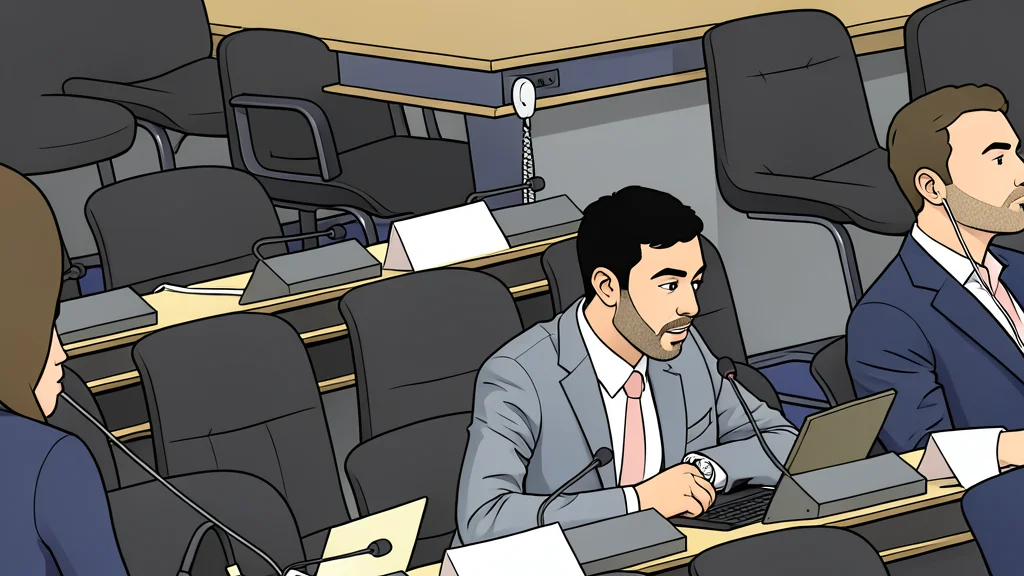
These findings align with broader concerns raised by international medical groups regarding the conditions under which deportations are carried out. The evidence has been formally submitted to an inquiry by the French National Assembly, which is examining the operational realities of the Le Touquet border agreements and their impact on vulnerable populations.
Political Responses and Operational Context
The United Kingdom’s Home Office has responded to the allegations by stating that it takes the welfare of returned individuals incredibly seriously. A spokesperson emphasized that migrants have regular access to healthcare while in detention and that anyone deemed unfit to travel will not be included in removal flights. The department maintains that the process adheres to strict safety protocols, despite the conflicting medical evidence emerging from the receiving side.
Critics, however, argue that the current framework creates a system prone to human rights violations. Nihal Osman of Médecins Sans Frontières described the arrangement as a mechanism for psychological destruction. According to GN geopolitics/migration (en-US), the scheme, which has seen approximately 1,400 people forcibly removed since its inception in August 2025, is scheduled to conclude on October 1, prompting intense debate over its legacy and the adequacy of existing oversight mechanisms.
Forward Looking Considerations for Policy
As the deadline for the current agreement approaches, attention is turning to the potential outcomes of the French parliamentary inquiry. The next phase will likely involve a review of whether existing safeguards are sufficient to prevent the documented harms, and whether alternative diplomatic frameworks can be negotiated that prioritize human dignity alongside border security objectives.