Lavrov Blames US for Delaying Peace as UN Talks Loom
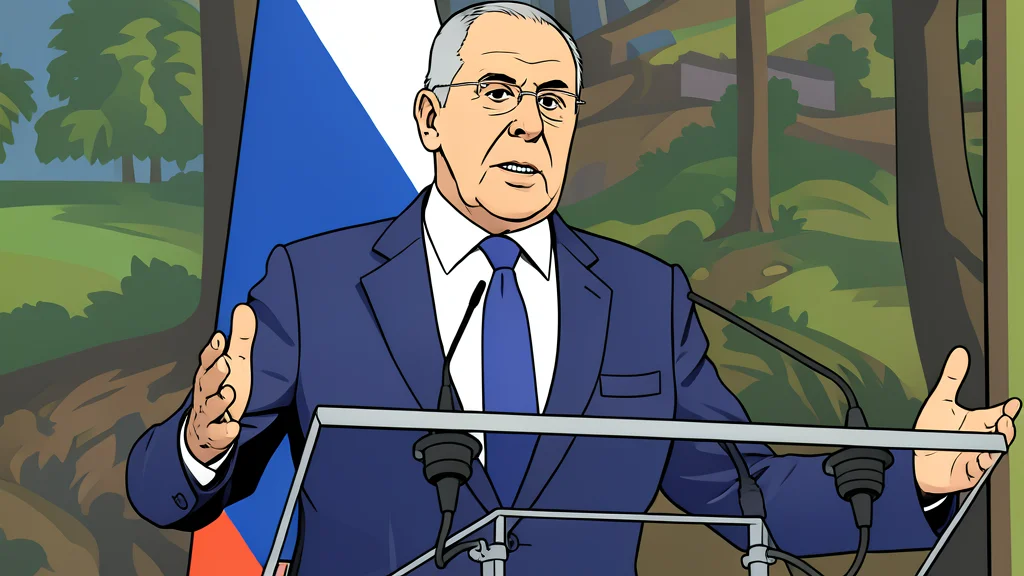
Russian Foreign Minister Sergey Lavrov attributes the continued conflict to alleged US withdrawal from prior agreements, even as diplomatic efforts stall over territorial demands.
Russian Foreign Minister Sergey Lavrov has accused the United States of prolonging the war in Ukraine by a year, a claim that sharply contrasts with official positions in Washington. According to Lavrov, the US abandoned what he described as the Anchorage agreements reached between President Donald Trump and President Vladimir Putin, thereby preventing a potential end to hostilities. He stated that had Washington maintained its commitment and not succumbed to European pressure, the region would have been living without war for the past twelve months.
The US government has consistently denied that any formal agreements were finalized during the Alaska meeting. Despite this, Moscow continues to reference the discussions as a basis for its diplomatic stance. Lavrov’s remarks come at a time when US-led mediation efforts are stuck, primarily due to Moscow’s insistence on territorial cessions in the Donbas region. Kyiv, conversely, advocates for a ceasefire along current front lines and seeks robust security guarantees to prevent future aggression, creating a fundamental disagreement over the terms of any peace deal.
Diplomatic efforts face territorial impasse
The core of the current deadlock lies in competing definitions of victory. The Kremlin has repeatedly rejected a simple ceasefire, demanding that Ukraine formally cede control of the partially occupied eastern region. Analysts note that this demand effectively seeks a legal surrender of territory that Russian forces have not fully secured militarily. In contrast, President Volodymyr Zelensky has emphasized the necessity of stopping the fighting along existing lines and securing international backing for Ukraine’s sovereignty. This divergence remains the primary obstacle to a broader peace framework.
Recent diplomatic activity has focused on breaking this stalemate. Envoys Jared Kushner and Steve Witkoff visited both Moscow and Kyiv earlier this month in an attempt to revive negotiations. While their visits did not yield a comprehensive peace deal, they resulted in an agreement to resume trilateral talks. Previous rounds of these negotiations had limited political success but facilitated significant humanitarian outcomes, including exchanges of prisoners of war. Lavrov has affirmed that Moscow remains open to resuming these discussions, asserting that Russia has never refused to negotiate and that interruptions were not initiated by Moscow.
High-stakes meetings scheduled in New York
Diplomatic momentum may increase during the United Nations General Assembly next week. President Zelensky plans to meet with President Trump in New York, potentially between September 21 and 23. According to Zelensky, the discussion will focus on limited ceasefires, specifically aiming to halt strikes on energy infrastructure and shipping in the Black Sea. These proposals represent a narrower scope of negotiation compared to the comprehensive peace deal sought by Washington, suggesting a stepwise approach to de-escalation.
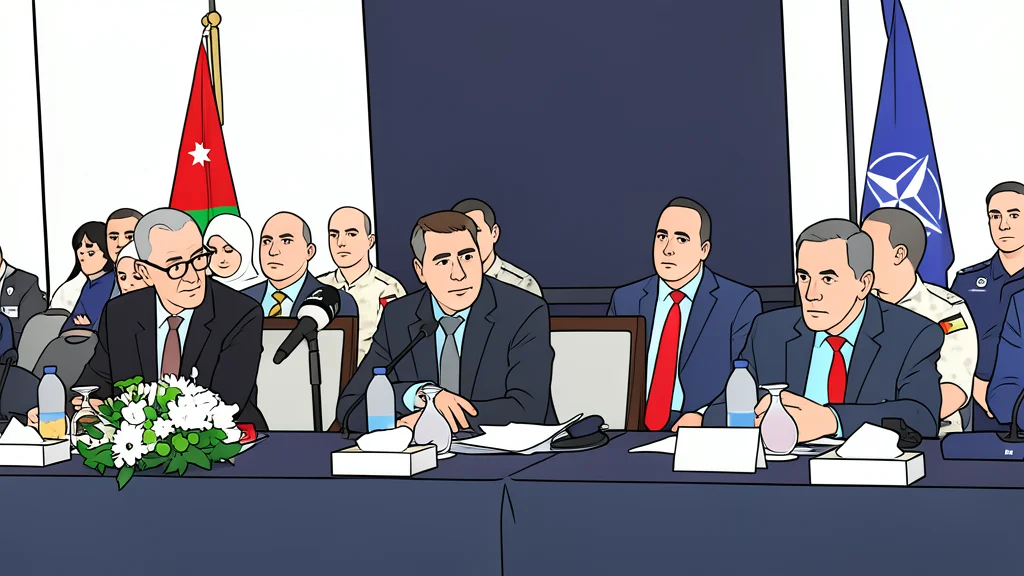
Russian diplomatic engagement is also expected during the UN sessions. Lavrov stated that he intends to meet with US Secretary of State Marco Rubio during the General Assembly. According to the Kyiv Independent, these bilateral and multilateral encounters will be closely watched for any signals of movement. While Lavrov’s recent rhetoric places blame on Washington, his willingness to meet senior US officials indicates that dialogue channels remain open, even if the underlying substantive disagreements persist.
Forward-looking questions on negotiation resumption
The coming days will test whether the stated willingness to negotiate translates into tangible progress. Observers will watch for specific concessions or compromises regarding the status of the Donbas region, as this remains the primary point of contention. Additionally, the outcome of the potential Trump-Zelensky meeting will provide insight into whether the US will continue to push for a broader settlement or accept incremental de-escalation measures. The alignment of schedules and the political will of all three parties will determine if the UN session serves as a turning point or merely another round of diplomatic posturing.