Stanwell Hotel Approved for Revival After Asylum Use
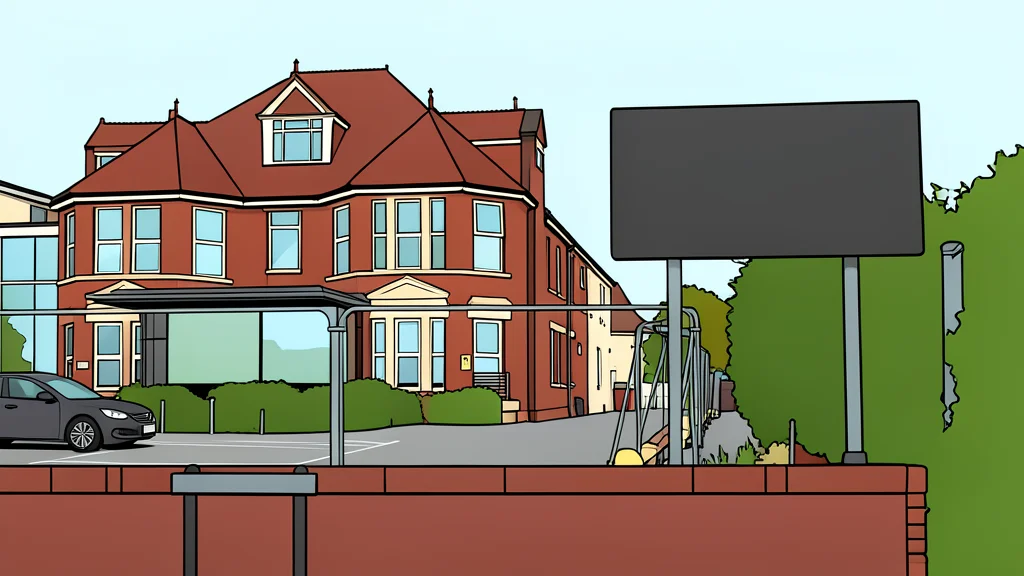
A Surrey hotel will transition back to standard hospitality operations following council approval for a major extension, marking a shift in local accommodation strategy.
The Stanwell Hotel in Surrey is set to end its role as asylum accommodation and return to conventional public use after Spelthorne Borough Council approved plans for a significant refurbishment. According to reports from GN geopolitics/migration (en-US), the approval paves the way for a £10 million project that will transform the site, which has been utilized by the Home Office since 2022. This development aligns with broader government intentions to phase out the use of hotels for asylum seekers, a policy goal previously targeted for completion by 2029.
The decision follows a period of local tension, where the hotel's dual purpose as a private enterprise and a state accommodation site sparked protests and counter-protests. The operator, Splendid Hospitality Group, described the upcoming work as a substantial long-term investment in both the facility and the surrounding community. As the construction phase approaches, attention turns to how the transition will be managed and what this individual case signals about the wider trajectory of the UK's asylum housing infrastructure.
Architectural Expansion and Economic Impact
The approved plans include a second-floor extension to the main brick structure and a new single-storey building at the rear of the site. These additions are expected to increase the total room count from 53 to 96, significantly expanding the hotel's capacity for commercial guests. Beyond the physical structure, the project is projected to have a notable local economic effect, with the workforce more than tripling to include up to 15 full-time and 20 part-time employees.
Planning officers assessed the visual and environmental implications of the construction, concluding that the design would have an acceptable impact on the character of the area. While the project aims to restore the site to its original function, the scale of the intervention represents a major change to the local skyline and infrastructure, requiring careful management during the build phase to mitigate any disruption to neighboring properties.
Community Reaction and Planning Scrutiny
The proposal faced opposition from some residents, resulting in 22 letters of objection submitted to the council. Concerns raised ranged from potential parking congestion and construction noise to the broader issue of the hotel's previous use for asylum seekers. However, council officers clarified in their report that the scheme specifically proposes to convert the use back to a regular hotel, addressing the core of the community's long-standing disputes over the site's function.
The BBC has sought clarification from the Home Office regarding the specific timeline for ceasing asylum accommodation at the site, as the start of the £10 million project will necessitate the relocation of current residents. This transition period is critical for local authorities and community groups who have been monitoring the situation, ensuring that the move to alternative sites is handled in accordance with statutory obligations and local sensitivities.
Forward Look on Housing Policy
The approval at Stanwell serves as a concrete example of the government's stated objective to reduce reliance on hotel accommodation for asylum seekers. As ministers have repeatedly emphasized the need to end this practice by 2029, the Stanwell project may serve as a template for other sites across the country. Observers will watch to see if this transition is smooth and if the promised economic benefits materialize, offering a case study in how local planning and national immigration policy intersect.