US Acknowledges Deployment of Orbital Counter-Space Capabilities
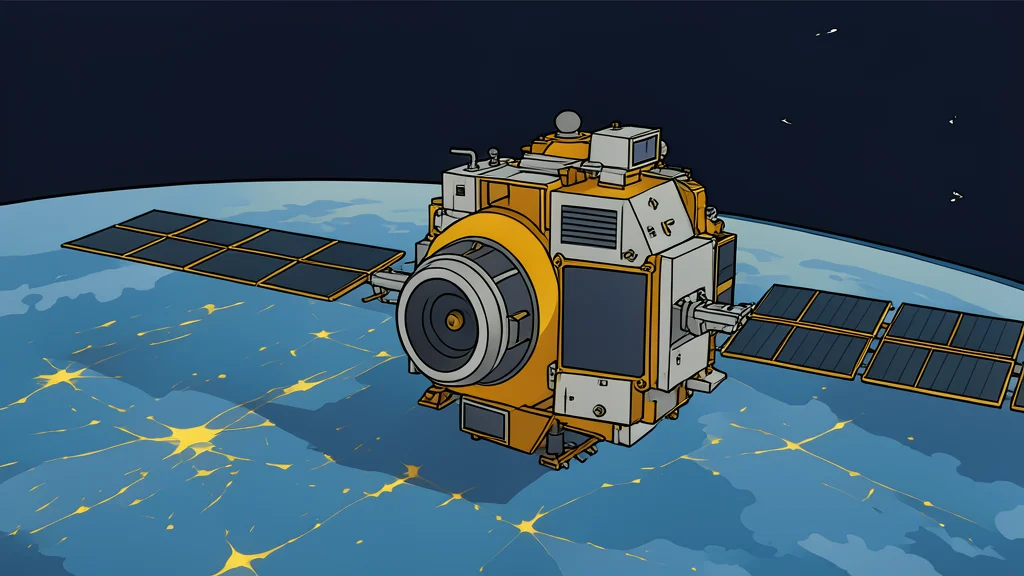
Washington has formally recognized the existence of offensive and defensive space weapons, triggering immediate diplomatic pushback from Beijing and raising questions about the future of the 1967 Outer Space Treaty.
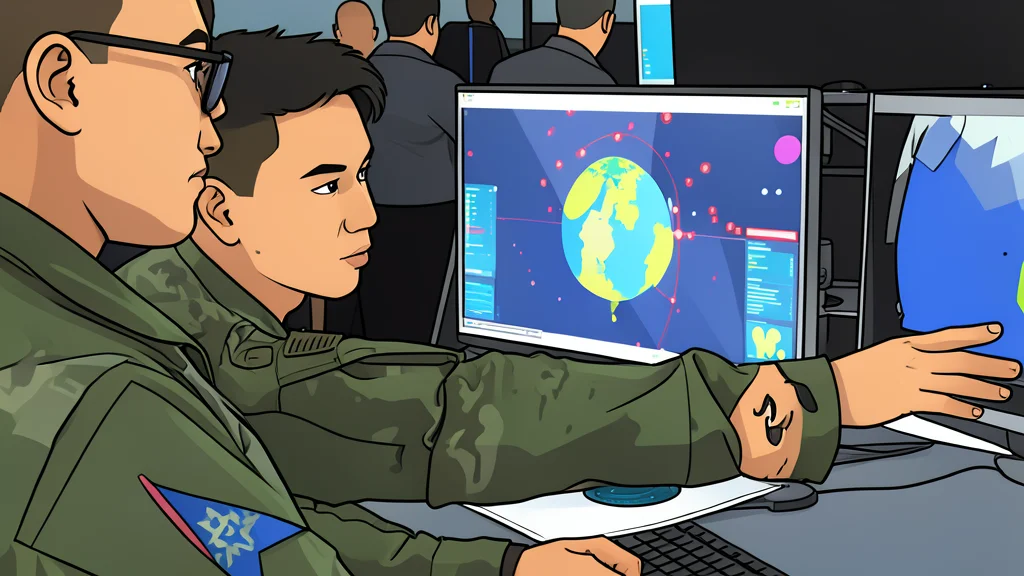
The United States has, for the first time, officially acknowledged the deployment of weapons systems in Earth’s orbit. US Secretary of the Air Force Troy Meink stated that these capabilities are necessary to safeguard American forces against hostile actions, marking a significant shift in transparency regarding the militarization of space. According to reporting by the BBC, Meink emphasized that the nation is prepared for evolving threats, although he did not disclose specific technical details or the timeline for when these assets were placed into orbit.
China responded swiftly to the admission, warning against the onset of a space-based arms race. A spokesperson for the Chinese foreign ministry urged the US to cease expanding military capabilities in outer space, characterizing the move as a preparation for conflict. This diplomatic friction highlights the growing tension between major powers as they navigate the legal and strategic boundaries of space operations, a domain previously governed largely by treaties banning weapons of mass destruction but not necessarily other forms of counter-space technology.
Ambiguity Surrounding Weapon Capabilities
A US Space Force spokesperson clarified that space control involves using both kinetic and non-kinetic means to disrupt, degrade, or destroy adversary capabilities. These systems are designed to be employed for both offensive and defensive purposes under the direction of combatant commands. However, experts note that very little public information exists regarding the specific nature of these technologies. Dr. Bleddyn Bowen, a military space expert at the Royal United Services Institute, suggested that the US might be referring to electronic warfare or radio jamming platforms, which are less likely to create debris than physical projectiles.
Bowen noted that while kinetic kill vehicles, which ram into satellites to destroy them, are a theoretical possibility, they are less likely due to the risk of generating significant space debris. This ambiguity leaves analysts and policymakers guessing about the precise nature of the threat. The lack of disclosure complicates efforts to maintain stability in space, as neighboring nations cannot easily distinguish between defensive shielding and offensive strike capabilities without clear international norms and verification mechanisms.
Strategic Context of Golden Dome
This admission aligns with the Trump administration’s broader plans for a "Golden Dome" defense system. This initiative integrates space-based capabilities and interceptor missiles to protect the US from airborne threats. In 2023, President Donald Trump issued an executive order that expanded the role of the US Space Force, emphasizing its function not only as a defender of assets but also as an attacking force. The Space Force, established in 2019 as the first new military branch in decades, now plays a central role in these strategic shifts.
Historical Precedents and Risks
The current developments occur against a backdrop of increasing counter-space activity. Since the 1967 treaty banned weapons of mass destruction in orbit, powers such as the US, Russia, and China have explored capabilities to target rival satellites. Recently, it was revealed that Russian satellites had likely intercepted communications from European assets since 2022. Additionally, the US alleged in 2024 that Russia launched a satellite capable of attacking other probes. These incidents underscore the vulnerability of critical infrastructure in space, including communication, surveillance, and navigation systems.
The US Space Force asserts that China is developing counter-space capabilities as part of a military modernization strategy, while Russia views space as a decisive warfighting domain. The acknowledgment of US space weapons by the source GN auto geopolitics/global: arms race signals a potential escalation in this competitive dynamic. As nations invest in these technologies, the risk of accidental conflict or a full-scale arms race in orbit increases. The international community now faces the challenge of establishing new norms to prevent the degradation of the space environment and to ensure that space remains a domain for peaceful use and scientific exploration.