Lib Dems Pledge £17bn Tax Cuts Tied to EU Single Market Return
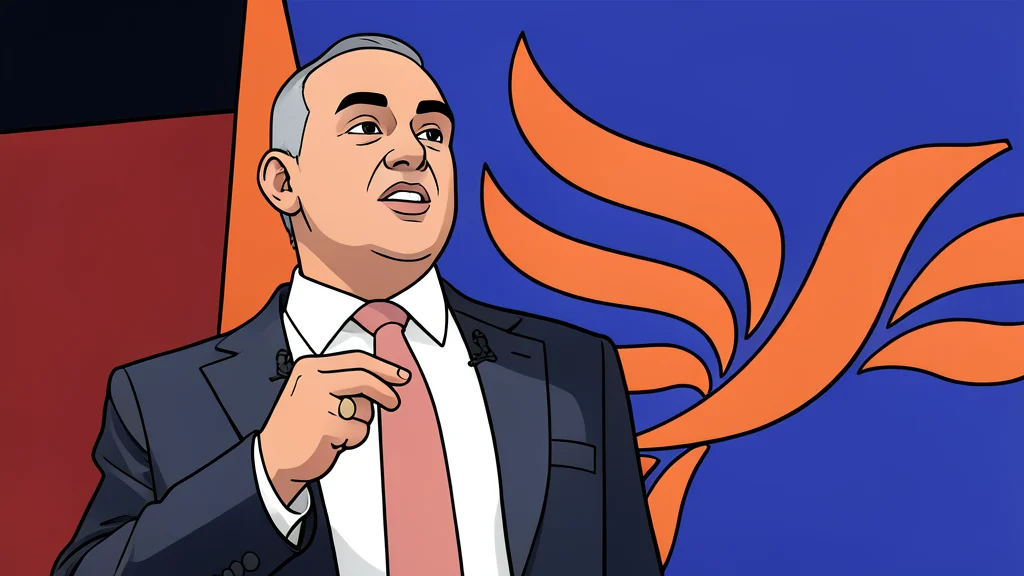
Sir Ed Davey proposes raising the tax-free allowance to £15,000, funded by projected gains from rejoining the EU single market and customs union.
Key points
- Lib Dems propose raising the tax-free allowance to £15,000 and the 40p threshold to £56,000.
- The £17bn tax cut package is to be funded by economic gains from rejoining the EU single market.
- Ipsos economist Stuart Adam states the package would cost much more than the £17bn estimated by the party.
The Liberal Democrats have outlined a major fiscal policy shift, promising significant tax cuts for millions of workers contingent upon the United Kingdom rejoining the European Union single market and customs union. In a speech at the party conference in Brighton, leader Sir Ed Davey detailed a plan to raise the annual tax-free personal allowance to £15,000 and lift the 40p income tax threshold to £56,000. According to the party, this £17bn package would be funded by the economic boost expected from closer trade integration with the EU.
The proposal marks a distinct divergence from the current political landscape, where the Conservatives froze the personal allowance in 2021 and Labour has resisted calls to unfreeze it. Davey argued that his party’s approach offers a more sustainable path than competitors, specifically targeting traditional Conservative heartlands by positioning the Lib Dems as a viable option for tax reduction without the social spending cuts he associates with other parties.
Funding mechanism relies on trade gains
The financial viability of the plan hinges on research from the think tank Frontier Economics, which suggests that rejoining the single market could generate an additional £27bn in revenue through a proposed growth and defence pact with the EU. The party asserts that this economic uplift would allow for the unfreezing of personal allowances in the second year of government, followed by substantial tax cuts by the fifth year. However, this timeline assumes that a new trading arrangement with the EU can be negotiated within twelve months of taking office.
Independent analysts have raised questions about the cost estimates. Stuart Adam from the Institute for Fiscal Studies told BBC Verify that the actual cost of the Lib Dem package would likely be significantly higher than the £17bn figure cited by the party. This critique highlights the tension between the projected benefits of EU trade integration and the immediate fiscal pressures of implementing such a broad tax relief scheme.
Political positioning against Reform UK
Davey explicitly contrasted his party’s platform with that of Reform UK, which has promised to raise the income tax allowance to £15,000 within 100 days. According to Davey, the difference lies in the funding source; he accused Reform of planning to fund its tax cuts by removing £22bn in support for disabled people. He described Reform’s approach as paying for tax relief through "cruely," while framing his own proposal as rooted in community values and fairness.
The speech also included a broader critique of the political environment, with Davey drawing parallels between current far-right protests and historical fascist movements in Britain. He positioned the Liberal Democrats as the primary alternative to both the Conservative and Reform UK wings, aiming to attract moderate voters who are dissatisfied with the direction of current mainstream politics.
Challenges in negotiation and timing
Despite the optimistic projections, the plan faces significant hurdles. The reliance on a rapid renegotiation of trade terms with the EU within a single year presents a complex diplomatic challenge. Furthermore, the delayed impact of the tax cuts, which would not fully materialize until the fifth year of a potential Lib Dem government, means voters would wait several years to see the full benefits. This timing may limit the immediate electoral appeal of the policy, particularly in a crowded field where competitors promise faster or different forms of fiscal relief.