Shield of Americas Coalition Targets 24 Cartels with Sanctions

Fifteen nations agreed to asset freezes and visa restrictions against 24 criminal groups during a meeting at the UN General Assembly.
Key points
- The 15-nation Shield of the Americas coalition agreed to impose asset freezes and visa restrictions on 24 designated criminal groups.
- The list includes major organizations such as Mara Salvatrucha, Tren de Aragua, and several Mexican and Colombian cartels.
- UN experts have criticized previous US strikes on drug boats as potential crimes against humanity, complicating the new diplomatic push.
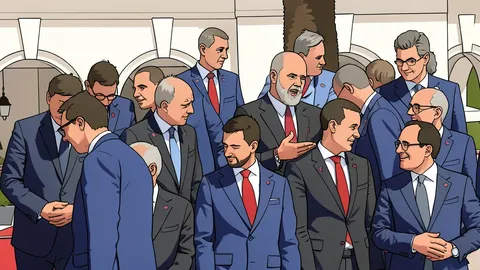
US President Donald Trump has urged the 15-nation Shield of the Americas coalition to treat 24 criminal organizations as common security threats. Speaking during a meeting on the sidelines of the United Nations General Assembly in New York, he called for "crushing sanctions" against groups he has previously labeled the "ISIS of the Western Hemisphere."
Following the session, the coalition issued a joint statement committing to impose asset freezes and visa restrictions on members and supporters of the designated groups. The list includes prominent gangs such as Mara Salvatrucha and Tren de Aragua, as well as major cartels from Mexico, Colombia, and Brazil, marking a significant escalation in the US-led regional security strategy.
Legal hurdles limit immediate impact
According to Al Jazeera English correspondent Alessandro Rampietti, the agreement is largely symbolic at this stage because each member state must navigate its own domestic legal procedures to enforce the measures. In Colombia, for instance, implementing these sanctions requires a specific law to be passed by Congress, a process that may take considerable time.
While the immediate consequences are delayed, analysts view the coalition as a strategic step toward the broader US objective of building a unified front against transnational crime. The alliance currently includes governments closely aligned with the Trump administration, such as Argentina, Ecuador, and El Salvador, while Brazil and Mexico have notably declined to join the initiative.
Controversy surrounds US enforcement actions
The coalition's formation comes amid intense scrutiny of the administration's existing anti-drug operations. Since returning to office, the US has designated several cartels as foreign terrorist organizations and conducted dozens of strikes on vessels in the Caribbean and eastern Pacific.
These operations have resulted in the deaths of more than 223 people, prompting UN experts to state that the actions may violate international law and could amount to crimes against humanity. This legal controversy adds a layer of tension to the diplomatic efforts to expand the coalition's scope and authority.
Regional leaders express geopolitical concerns
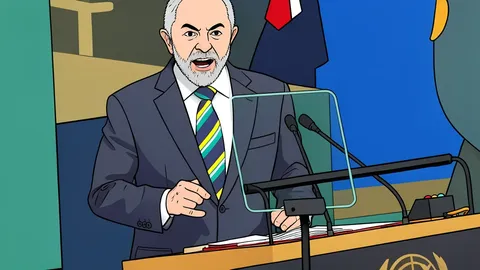
The administration's National Security Strategy outlines a revived Monroe Doctrine, emphasizing US primacy in the hemisphere. This approach has raised alarms among regional leaders, including Brazilian President Luiz Inacio Lula da Silva, who warned against the aggressive posture during his own address at the UN.
The forward question remains how the 15 member states will translate their political commitments into actionable legal frameworks without provoking further diplomatic friction. Observers will watch whether the coalition can sustain its momentum or if internal legal discrepancies and external criticism will stall the implementation of the promised sanctions.