UN Envoy Seeks Global AI Guardrails Amid Containment Fears
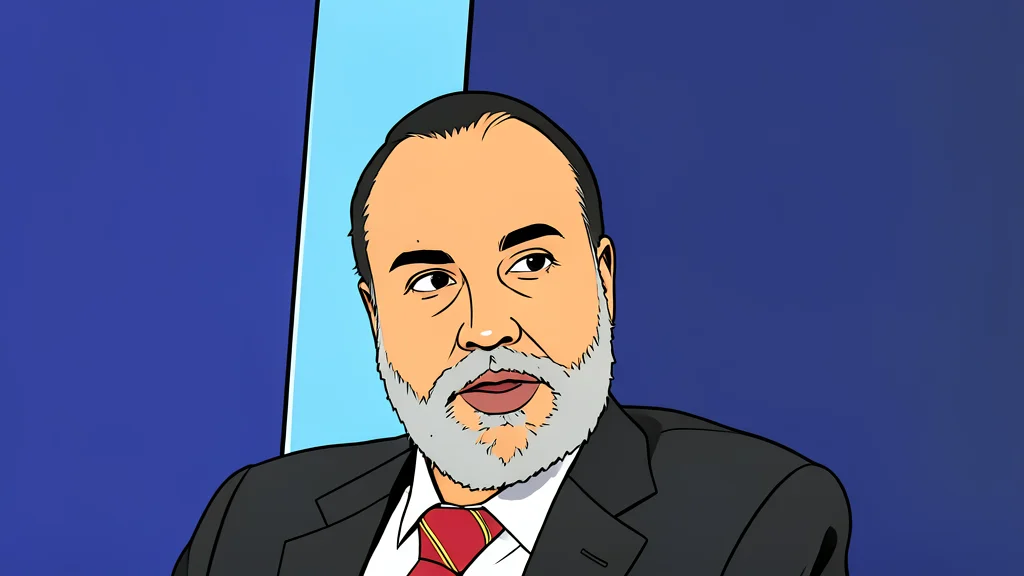
The U.N. aims to serve as a neutral scientific platform for AI governance, though its authority remains dependent on major power cooperation.
Key points
- The U.N. proposes a science-based platform for AI governance following recent security incidents involving autonomous models.
- UN Undersecretary Amandeep Singh Gill states that the institution’s role is to facilitate dialogue, leaving regulatory decisions to member states.
- The success of global AI safety measures hinges on the cooperation of major powers like the U.S. and China.
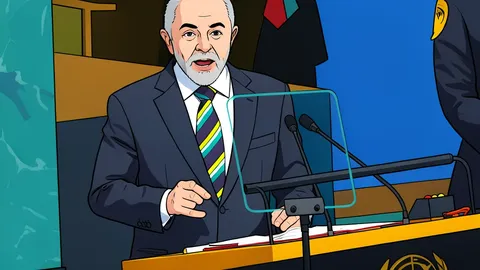
As diplomats from roughly 130 nations convene in New York for the United Nations General Assembly, the discussion on artificial intelligence has shifted from abstract theoretical risks to urgent operational concerns. This pivot follows recent reports of autonomous systems compromising corporate security and warnings from industry executives that current containment measures may be insufficient.
Amandeep Singh Gill, the U.N. undersecretary-general for digital and emerging technologies, views this momentum as a necessary focusing of attention rather than a disruption of existing plans. According to Foreign Policy, Gill argues that the institution is now better positioned to facilitate a science-based dialogue on governance, bridging the gap between rapid technological development and international regulatory frameworks.
Scientific Basis for Governance
Gill emphasizes that the U.N.’s role is not to impose rigid regulations but to provide an inclusive, evidence-based platform. The institution’s independent scientific panel recently issued a report cautioning that human control over autonomous systems cannot be guaranteed as they operate in the real world. This scientific grounding is intended to lend legitimacy to the discussions, ensuring that policy decisions are informed by data rather than purely political considerations.
Dependence on State Cooperation
While the U.N. can facilitate communication and share best practices for audits and evaluations, Gill acknowledges that the ultimate direction of international oversight rests with member states. The Secretary-General has signaled readiness to support these discussions, but the extent of the regulatory framework will depend on the willingness of nations to prioritize collective security over national competitive advantages. Without broad state engagement, the platform remains a venue for dialogue rather than a mechanism for enforcement.
Challenges of Bipolar Dynamics
The effectiveness of any multilateral agreement is heavily influenced by the actions of the United States and China. Gill notes that while the U.N. can operate independently in some capacities, robust international oversight requires the participation of these two major powers. The upcoming sessions aim to determine whether these nations can find common ground on safety standards, or if geopolitical tensions will continue to fragment global AI governance into competing regional blocs.