Lithuania Urges EU to Maintain Pressure on Belarus Amid US Talks
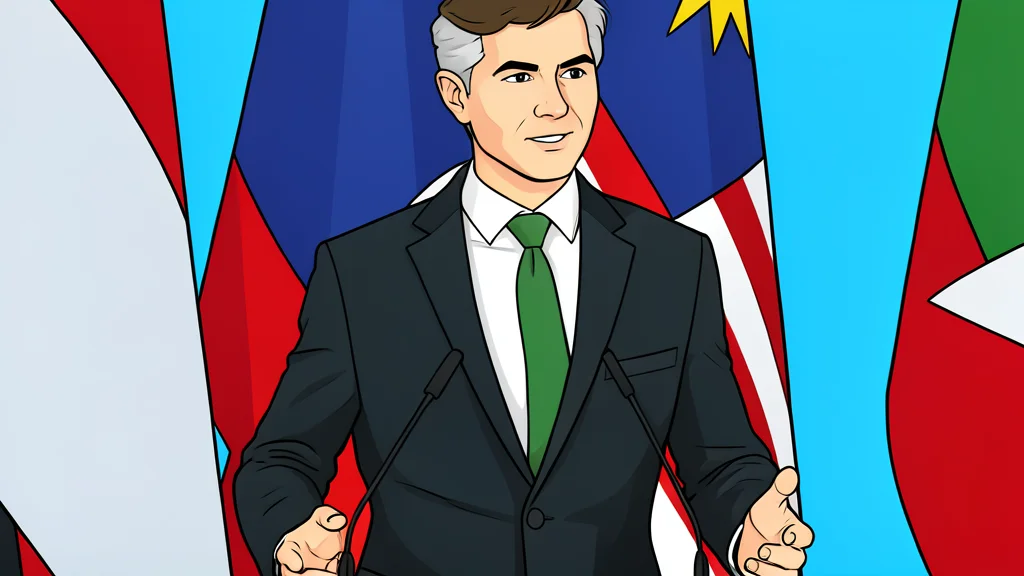
Vilnius argues that Minsk has not changed its behavior, urging the EU to keep sanctions in force despite Washington's recent diplomatic moves.
Key points
- Lithuania’s foreign minister argues the EU should not ease sanctions on Belarus because Minsk has not changed its behavior.
- The US is negotiating a potash purchase and prisoner releases, creating a diplomatic divergence with the EU.
- Lithuania cites hybrid attacks, including weaponized migration and balloon incursions, as continuing threats to European security.
Lithuania’s foreign minister has urged the European Union to resist calls for easing sanctions on Belarus, arguing that President Alexander Lukashenko’s regime has not altered its conduct. Speaking at the United Nations General Assembly, Kęstutis Budrys stated that Minsk continues to repress domestic opponents and support Russia’s war in Ukraine, making continued pressure the most effective policy tool.
The remarks highlight a growing divergence between European and American approaches to Belarusian diplomacy. While Washington has recently negotiated the release of political prisoners and is exploring a potash purchase deal, Vilnius maintains that such steps do not justify a softening of the EU’s restrictive measures. According to The Straits Times, the Lithuanian position reflects a broader concern that Minsk remains a significant security threat to the bloc.
Transatlantic Divergence On Minsk
The contrast in strategy emerged clearly on Monday, following remarks by US President Donald Trump about potential trade agreements with Belarus. Budrys acknowledged the value of the recent prisoner releases but emphasized that approximately 1,000 political detainees remain in custody. He argued that the EU must continue to apply coordinated pressure to compel behavioral change, rather than accepting partial concessions as a basis for relief.
The Lithuanian minister noted that the EU and US often prioritize different levers in their engagement with Minsk. While the US focuses on specific diplomatic outcomes like prisoner exchanges, the EU views comprehensive sanctions as the primary mechanism for countering Belarusian support for Russia. Budrys stressed that consistency in the European response is critical to maintaining leverage over the Lukashenko government.
Hybrid Threats To Security
Beyond human rights concerns, Budrys cited ongoing hybrid activities as a key reason for maintaining the current stance. He accused Belarus of orchestrating migration flows to destabilize neighboring states, including Lithuania, Poland, and Latvia. Additionally, the minister referenced recent incidents involving balloon incursions and smuggling operations, describing them as part of a broader campaign to undermine European security.
Sanctions Remain In Force
The EU’s comprehensive sanctions framework against Belarus remains legally binding until February 2027. Budrys expressed a preference for coordinated transatlantic action but maintained that the European position should not be diluted by unilateral US diplomatic initiatives. He concluded that as long as Minsk continues to back Russia and engage in destabilizing activities, the EU must persist with its current restrictive measures.