Mendel's Strasbourg Speech and the Peace Narrative
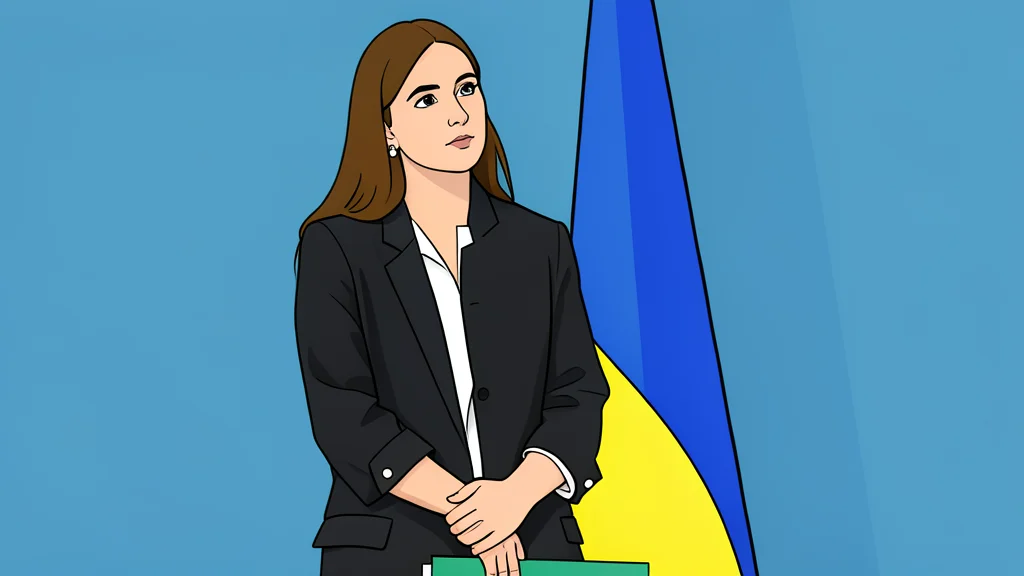
Iuliia Mendel’s recent address in Strasbourg highlights a growing tension between her personal critique of Kyiv and the diplomatic realities of the ongoing conflict.
Iuliia Mendel, the former press secretary to President Volodymyr Zelensky, recently attempted to address the European Parliament in Strasbourg. However, her entry was denied without explanation, prompting her to deliver a video statement instead. In this address, Mendel argues that both the Kyiv leadership and its Western allies are obstructing peace efforts. She positions herself as a unique voice capable of clarifying the situation for international audiences, a stance that has drawn significant scrutiny from observers of the conflict.
The Kyiv Independent notes that Mendel’s claims have been increasingly viewed as echoing narratives favored by the Kremlin, despite her repeated denials of being pro-Russian. Her appearance was scheduled shortly after Zelensky imposed sanctions on her, adding a layer of political complexity to her message. While she frames her actions as a call for peace, critics argue that her rhetoric distorts the roles of Russia, Ukraine, and the West in current negotiations, often diminishing the diplomatic efforts made by the Ukrainian government to end the war.
Challenging the Obstacle Narrative
Mendel asserts that the primary obstacles to peace are the continued military support from the West and Zelensky’s personal stance on territorial integrity. She suggests that the president promotes maximalist and unachievable goals, thereby preventing a resolution. According to Mendel, she possesses insider knowledge of behind-the-scenes agreements that were allegedly rejected by the president, a claim that contrasts sharply with the official timeline of diplomatic engagements since the start of the full-scale invasion.
This perspective differs significantly from the documented positions of the Ukrainian government. Zelensky has publicly acknowledged that a cessation of hostilities might involve temporary Russian control over certain territories. Furthermore, Kyiv has consistently called for a full and unconditional ceasefire along current front lines as a prerequisite for further talks. Mendel’s characterization of these positions as rigid and uncompromising overlooks the nuanced diplomatic language used by Ukrainian officials in recent months.
Diplomatic Nuances in Recent Talks
The Kyiv Independent highlights that Zelensky’s recent statements indicate a willingness to explore complex legal interpretations of territorial control. He has voiced support for proposals, such as a neutral free economic zone in the Donbas, which would allow for temporary Russian administration before eventual reintegration through diplomatic means. These moves suggest a flexible approach rather than the static maximalism Mendel describes. Meanwhile, Moscow has repeatedly rejected such frameworks, demanding unconditional cession of the region, a demand that remains a major point of contention in ongoing discussions.
Public Sentiment and Future Directions
Public opinion within Ukraine remains a critical factor in any potential peace agreement. Surveys indicate that a significant majority of Ukrainians are unwilling to accept a deal that involves a complete withdrawal from the Donbas, even if it includes Western security guarantees. Mendel’s assertion that she speaks for the Ukrainian people is therefore contested by data showing deep reservations about territorial concessions. As the diplomatic landscape continues to evolve, the next phase of negotiations will likely hinge on how these internal divisions are managed and how international partners respond to the shifting rhetoric from both Kyiv and its critics.