Mpox Case Confirmed in Ceuta Migrant Reception Center

Spanish authorities have confirmed the first mpox case in the enclave of Ceuta, involving a minor at a crowded reception center, raising concerns about disease transmission amidst ongoing health pressures.
Spanish health authorities have confirmed the first case of mpox, formerly known as monkeypox, in the autonomous city of Ceuta. The infection was identified in a 13-year-old unaccompanied minor who entered the territory during the mass migration event from Morocco at the end of July. According to the Instituto de Salud Carlos III, the diagnosis was made on Thursday, September 17, following the testing of samples sent by local health officials.
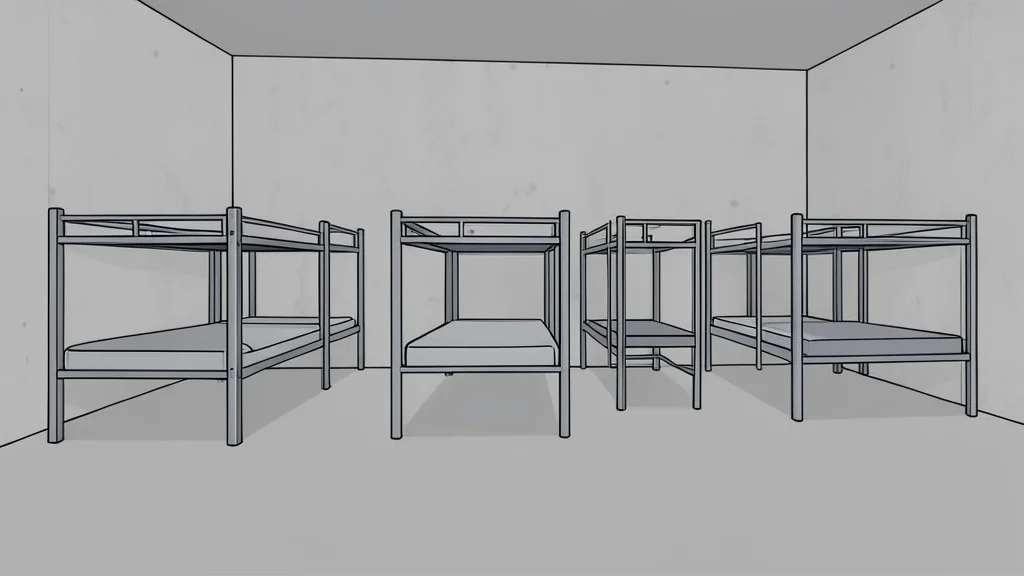
The minor is currently isolated at the Piniers reception center, where they are under medical supervision and receiving treatment. Health officials are actively tracing contacts to contain potential further spread. While a second suspected case involving another minor is reportedly under investigation, it has not been confirmed as of the latest reports. The situation adds a new layer of complexity to an already strained public health environment in the enclave.
Strained local health infrastructure
The detection of mpox occurs against a backdrop of significant pressure on Ceuta’s medical services. Since late July, the city has seen a substantial influx of migrants, with approximately 80,000 arriving and around 10,000 remaining in the city, which has a total population of 84,000. In response, INGESA, the public health authority for the enclave, activated Level 1 of the hospital’s external catastrophe plan on July 31.
Data reported by local authorities indicates that migrant patients generated over 10,725 consultations in the first month alone, averaging 335 visits per day. To manage this volume, more than 100 additional health workers were hired. Health Minister Mónica García stated that while 11 cases of chickenpox and eight cases of tuberculosis have been confirmed, the hospital system has not collapsed. She noted that occupancy stands at approximately 53 percent and that 95 percent of emergency cases among migrants are considered mild.
Transmission risks in crowded settings
According to the World Health Organization, mpox is primarily transmitted through close physical contact with lesions, bodily fluids, or contaminated materials. While the virus does not typically spread easily through casual contact, the conditions in Ceuta may facilitate transmission. Overcrowded reception centers and makeshift encampments create environments where close proximity is constant, potentially increasing the risk compared to general community settings.
Monitoring and future outlook
Most mpox patients recover within two to four weeks, although severe complications can occur, particularly among young children, pregnant women, and immunocompromised individuals. The WHO currently assesses the risk to the general population without specific risk factors as low. However, health officials in Ceuta remain vigilant, with more than 3,000 migrants already vaccinated as a preventive measure.
As reported by GN geopolitics/migration (en-US), the situation requires careful monitoring to prevent further outbreaks. The focus now shifts to effective contact tracing and maintaining adequate medical capacity in a setting where resources are already stretched. Observers will watch whether additional cases are confirmed and how the local health system manages the ongoing demand from the large migrant population.