NATO Asserts Readiness for Eastern Flank Escalation
The alliance claims its forces and equipment are prepared for potential Russian aggression, emphasizing unity despite ongoing hybrid threats.
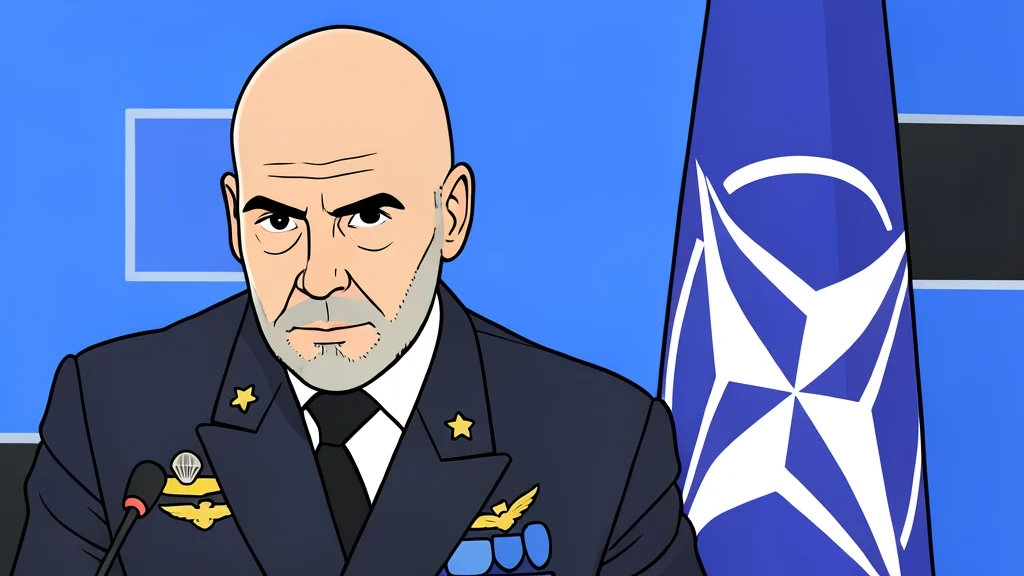
NATO officials have declared that the alliance is fully prepared to respond to any escalation along Europe's eastern border. This assertion was made by Giuseppe Cavo Dragone, the chairman of the NATO Military Committee, during a press briefing on September 19. According to reporting from LIGA.net, Dragone emphasized that the structural, personnel, and technical aspects of the alliance's defense posture are aligned and ready for action.
The statement comes amid a period of heightened tension, where European leaders have expressed concern over increasing sabotage risks and hybrid threats from Russia. While Moscow suffers significant casualties in the war in Ukraine, analysts suggest it is simultaneously testing NATO's resilience and attempting to discourage European support for Kyiv. Dragone noted that while specific recent warnings were not detailed in military discussions, the alliance remains on high alert for scenarios ranging from minor crises to potential incursions.
Military Posture and Technical Sophistication
According to Dragone, the alliance is not only maintaining its current defensive capacity but also actively expanding it. He stated that NATO continues to build up its forces in both numbers and technical sophistication. The military leader assured that allied generals understand their protocols and are prepared to execute a coordinated response in the event of an attack. This readiness is framed as a deterrent measure to ensure that any aggressive actions by Russia are met with a swift and unified reaction.
Diverging Perspectives on Hybrid Threats
European nations are responding to these threats with varying degrees of urgency. Polish Prime Minister Donald Tusk recently highlighted reports of Kremlin plans for hybrid drone and missile attacks on countries supporting Ukraine. Similarly, France is enhancing the protection of its critical infrastructure against potential sabotage. However, not all European leaders share the same level of commitment to collective defense. Slovak Prime Minister Robert Fico has stated that he does not wish to involve Slovak military forces in combat operations, even in scenarios that might trigger Article 5 of the NATO Treaty.
Resilience Against Internal Division Attempts
Dragone addressed the political friction within the alliance, arguing that Russian actions are intended to undermine trust and weaken unity among members. He contended that these attempts have not succeeded in dividing the alliance. Instead, he argued, such behaviors have sharpened the resolve of the members, making them more united and determined to defend their collective security. The NATO official stressed that the alliance's cohesion remains strong despite the challenges posed by external aggression and internal debates over the scope of military involvement.