NATO Commander Criticizes UK Military Training Cuts
A senior NATO official has voiced strong concerns over recent reductions in British Army training, warning that such measures could severely compromise national defense capabilities.
Lieutenant General Benoît Desmeulles, a senior NATO commander, has described the United Kingdom's recent decision to suspend key military training exercises as a "recipe for disaster." According to reports from Caliber.Az, Desmeulles made these remarks while speaking at the International Institute for Strategic Studies summit in Prague. He expressed deep concern that halting live-fire and tank training would undermine Britain's ability to maintain operational readiness, a stance that contrasts sharply with the government's current fiscal priorities.
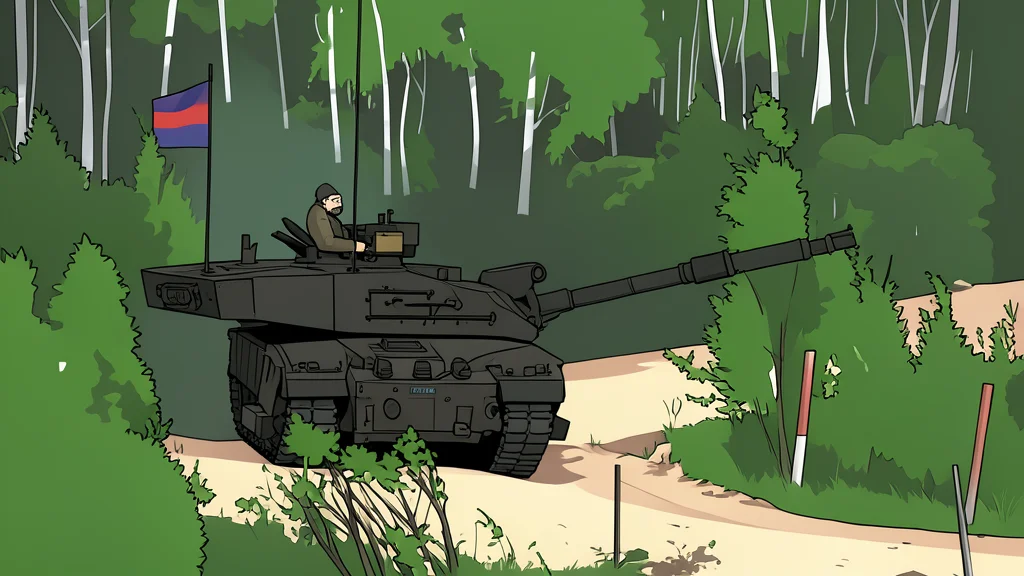
The controversy centers on a temporary suspension of essential drills aimed at saving approximately £30 million. Desmeulles, who noted that France experienced similar cuts a few years prior, argued that the absence of regular training directly erodes the "fight-tonight" capacity of troops. He emphasized that without consistent practice and proper equipment, the effectiveness of British forces is at risk, a view he shared with his English counterparts during the strategic discussion.
Operational Impact of Spending Reductions
The financial measures have reportedly affected hundreds of regular soldiers, particularly those within the 3rd Division. In addition to active personnel, thousands of reservists are expected to feel the impact, as volunteer soldiers have been instructed to serve fewer days due to budget constraints. This reduction in training hours creates a significant gap in preparedness, a point Desmeulles highlighted when he stated that no training equates to a lack of immediate combat capability.
Political Tensions Over Defense Budgets
The decision reflects broader political debates regarding the allocation of public funds. While military chiefs have called for an increase in defense spending to reach 3 percent of GDP by 2030, the Prime Minister has yet to commit to this target. He has maintained that any such increase must not come at the expense of the welfare budget, creating a stalemate between security imperatives and social priorities that complicates the UK's defense planning.
Future Defense Commitments and Alliances
As NATO allies continue to reassess their collective security posture, the UK's internal budgetary conflicts may influence its broader commitments. Observers will watch closely how London balances its fiscal responsibilities with the expectations of its partners in the alliance. The coming months will likely reveal whether the suspended training programs are reinstated or if the cost-saving measures become a more permanent feature of British military strategy.